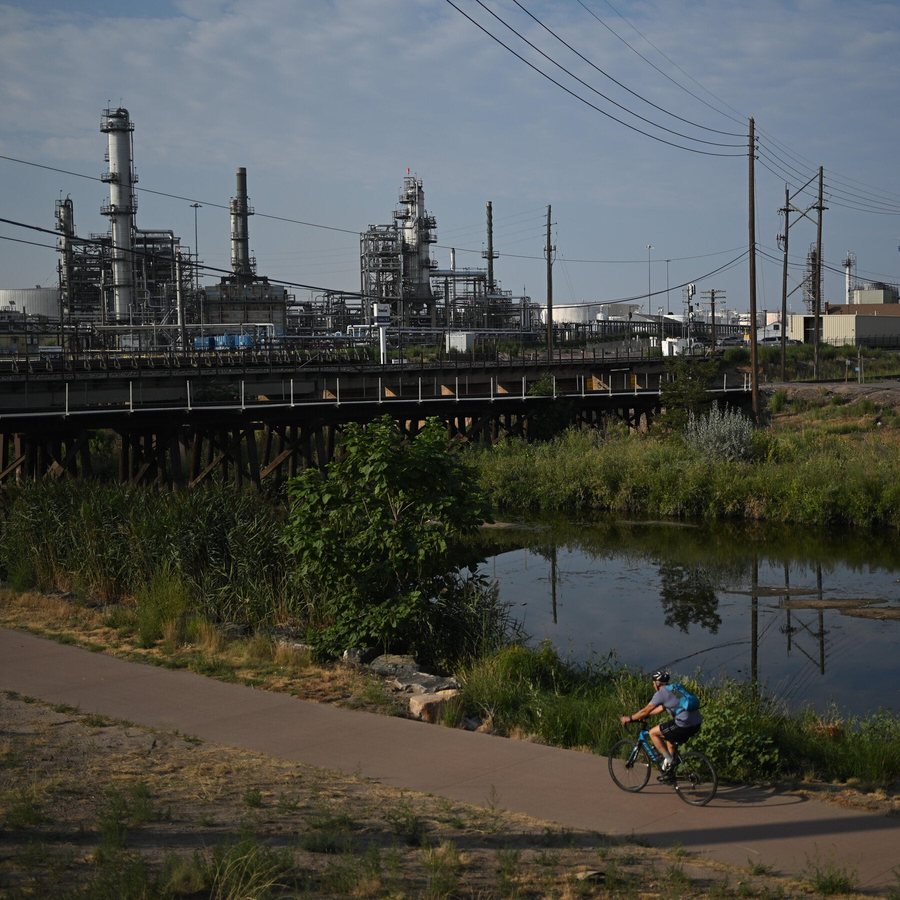
The US Supreme Court on Monday began hearing arguments in a case that could reshape how state and local governments hold major energy companies accountable for climate damages, with legal experts warning the outcome may extend well beyond environmental litigation.
The case centers on efforts by Suncor Energy and ExxonMobil to stop lawsuits filed by the city and county of Boulder, Colorado, which accuse the companies of violating state laws. The oil companies are asking the high court to block such claims from proceeding at the state level, arguing that climate-related disputes belong in federal court or should be preempted entirely.
How the justices will lean remained unclear after Monday's hearing, according to observers, but the high stakes were evident. The case marks a pivotal moment in a broader legal campaign by municipalities and states seeking to recover costs associated with climate change impacts, including infrastructure damage, public health burdens, and adaptation expenses.
The Boulder lawsuit is one of dozens filed across the country by local governments against fossil fuel producers. These cases generally argue that companies knew about the dangers of burning fossil fuels for decades while publicly downplaying the risks, and that they should bear some of the financial responsibility for resulting harms.
Industry defendants have consistently sought to move such cases from state courts, where they believe juries may be less sympathetic, into federal court, where they argue federal law governs interstate emissions and energy policy. The Supreme Court's decision could determine which venue—and therefore which body of law—applies to a wide range of similar claims.
The implications stretch beyond climate litigation. If the court rules broadly on the scope of federal preemption or the proper forum for such disputes, the reasoning could affect other lawsuits involving energy production, environmental regulation, and corporate liability for interstate activities. Legal analysts suggest the ruling may influence how courts handle cases involving everything from air and water pollution to consumer protection and securities law.
The case also arrives as the Supreme Court begins a new nine-month term that is expected to include several high-profile disputes over regulatory authority and the role of federal agencies. The court's composition and recent history of skepticism toward expansive federal regulation have led both supporters and critics of climate liability suits to watch the proceedings closely.
For the plaintiffs, the arguments represent a critical test of whether local communities can use state law to seek compensation from the fossil fuel industry. For the defendants, the case is an opportunity to shut down a growing wave of litigation that they contend is better addressed through federal policy than through the courts.
Whatever the outcome, the ruling is likely to set a precedent that will shape the legal landscape for years to come, affecting not only climate cases but also the broader question of how far states and municipalities can go in regulating and seeking damages from industries whose activities cross state lines.
9