Beetles have evolved some of the most extreme visual strategies in the animal kingdom, ranging from shells that gleam like polished gemstones to body surfaces that render them nearly invisible against their surroundings. This striking contrast is the focus of new natural history coverage that examines how these insects use color and light for survival.
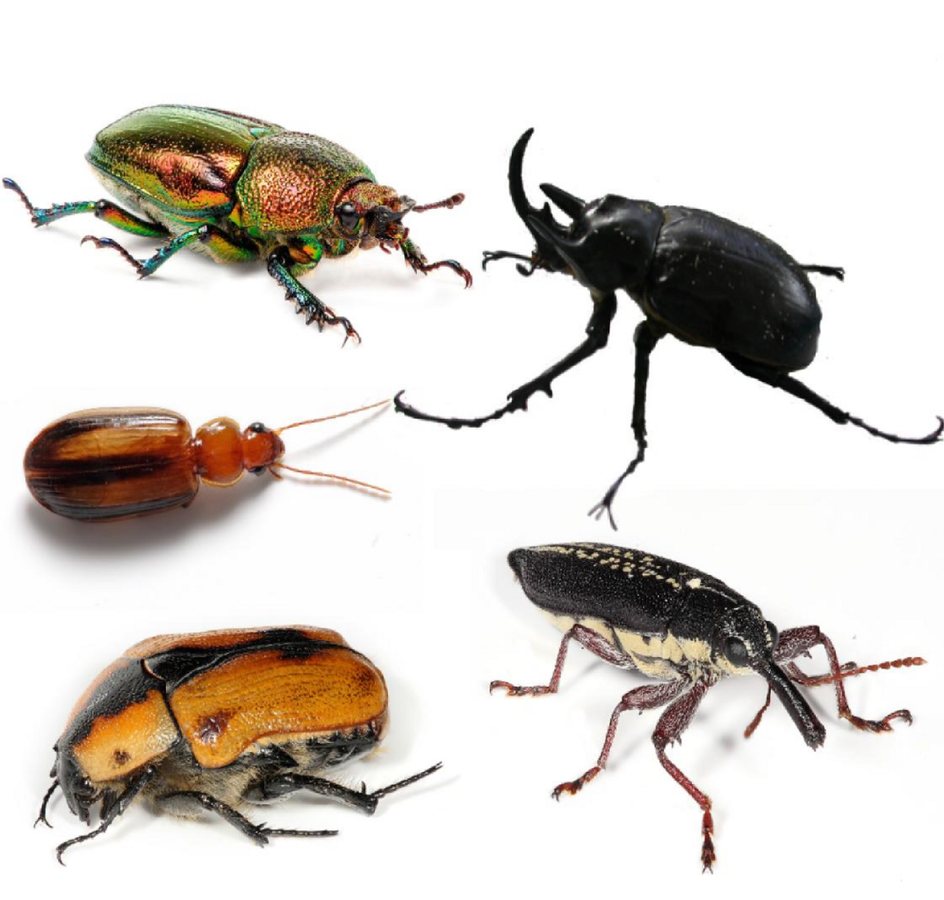
The diversity is not merely aesthetic. Iridescent beetles, often called jewel beetles, owe their metallic sheen to microscopic structures in their exoskeleton that manipulate light through interference rather than pigment. This structural coloration can shift in hue depending on the viewing angle, producing flashes of green, blue, gold, or red. For these species, the shine may serve multiple purposes: attracting mates, warning predators of toxicity, or confusing the visual systems of hunters.
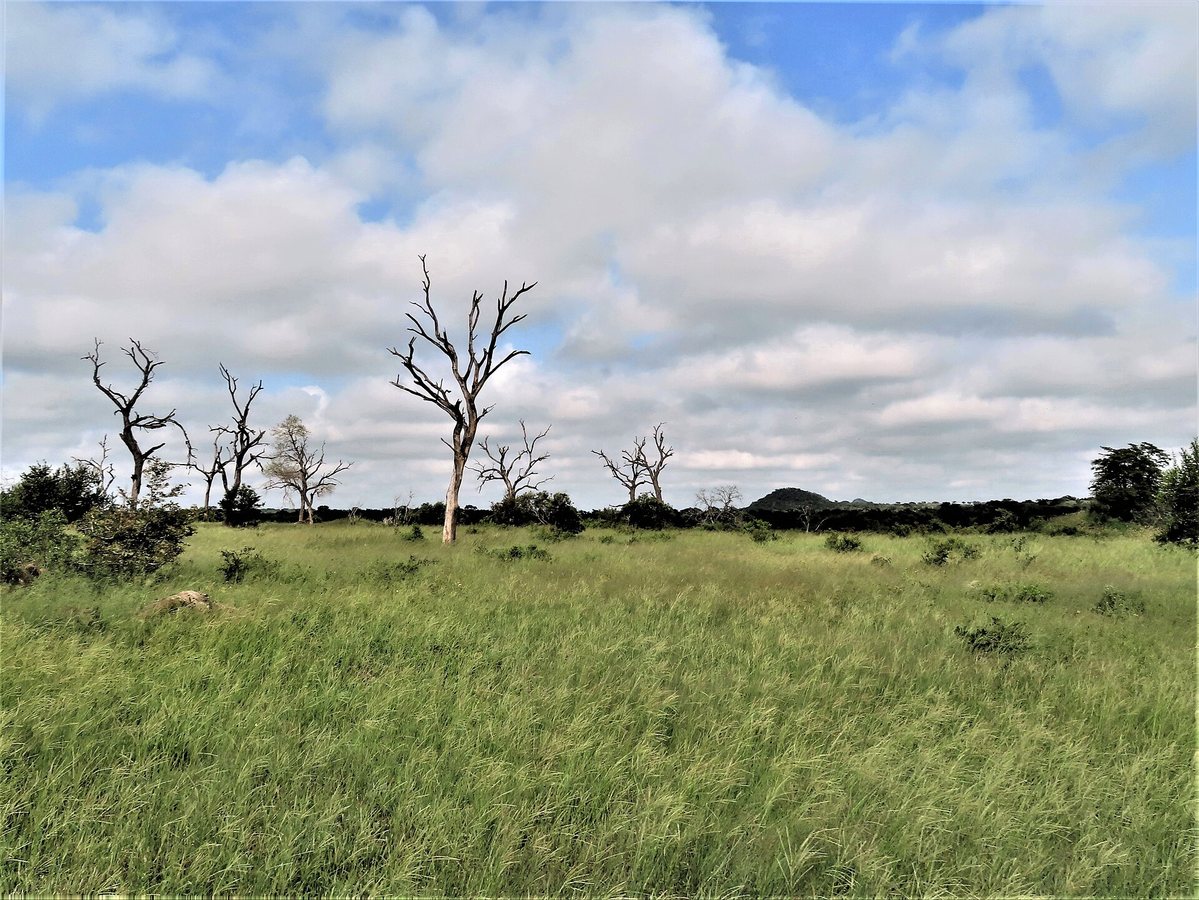
At the other end of the spectrum are beetles that have evolved to blend almost seamlessly into their environment. Some species mimic the texture and color of leaves, bark, or soil so effectively that they become practically undetectable until they move. This camouflage is a product of natural selection acting on body shape, surface texture, and pigmentation over millions of years. In many cases, the same evolutionary pressures that favor conspicuous brilliance in one habitat drive concealment in another.
The study of beetle coloration sits at the intersection of several scientific fields. Materials scientists examine jewel beetle shells to understand how nanoscale structures produce color without pigments, work that has inspired advances in reflective coatings, sensors, and even anti-counterfeiting technology. Ecologists, meanwhile, study how visual signals function in complex environments where predators, prey, and potential mates all rely on sight.
Beetles make up roughly one-quarter of all known animal species, with more than 350,000 described types and many more awaiting discovery. This enormous diversity means that their visual adaptations have evolved independently many times, offering researchers a natural laboratory for testing ideas about communication, mimicry, and sensory ecology. The contrast between dazzling and disappearing forms is not a curiosity but a central feature of how these insects occupy nearly every terrestrial and freshwater habitat on Earth.
For the public, the appeal is immediate. Jewel beetles are among the most collected and photographed insects, prized for their metallic colors. Camouflaged species, by contrast, are often overlooked until a careful observer notices a slight irregularity on a leaf or twig. Both extremes invite a closer look at the small creatures that shape ecosystems as pollinators, decomposers, and food sources for countless other animals.
Understanding beetle coloration also has practical implications. As habitats change and light environments shift — through deforestation, urbanization, or artificial lighting — the signals that once helped beetles survive may become mismatched to their surroundings. Researchers continue to investigate how resilient these visual strategies are under rapid environmental change.
The story of beetles that shine like jewels and others that practically disappear is ultimately a story about evolution's range. It shows how the same basic body plan can be tuned by selection to produce radically different outcomes, and it reminds us that some of the most sophisticated optical engineering on the planet is found not in laboratories but on the backs of insects in our gardens and forests.
10