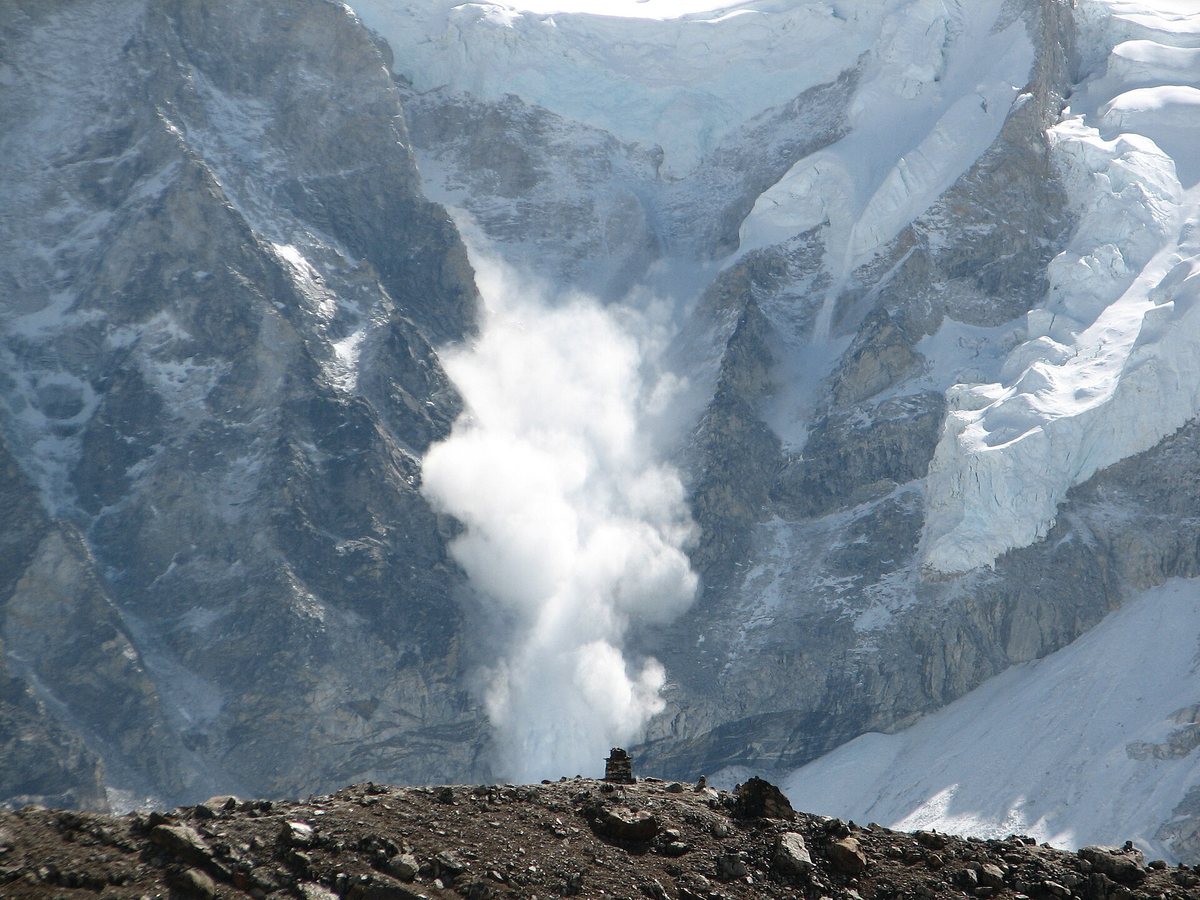
A Swiss court has acquitted a geologist and several local officials who faced criminal charges over their failure to predict a deadly avalanche in 2017, but the verdict has done little to calm researchers who fear the case sets a troubling precedent for scientific liability. The avalanche struck the village of Barmasse in the Valais region, killing two people and destroying several buildings. Prosecutors had argued that the defendants, including the geologist responsible for assessing natural hazards, should have anticipated the slide and issued a warning.
The trial, which concluded last week, centered on whether the geologist and municipal authorities had fulfilled their duty to protect residents from a known risk. The defense maintained that the avalanche was an exceptional event that could not have been foreseen with the available data and models. The court ultimately agreed, clearing all defendants of charges related to negligent homicide and bodily injury. Yet the acquittal has not resolved the underlying anxiety among Switzerland's tight-knit community of avalanche and hazard researchers.
«The verdict is a relief for the individuals involved, but it leaves open the question of how far scientists can be held responsible for unpredictable natural events,» said one researcher familiar with the case, who spoke on condition of anonymity because of the sensitivity of the matter. «If the court had ruled the other way, it would have had a chilling effect on our ability to give honest, uncertainty-laden assessments.»
The case has unsettled hazard researchers across Europe, who worry that criminal prosecutions could discourage experts from issuing warnings that are inherently probabilistic. Avalanche forecasting relies on a combination of weather data, snowpack measurements, and historical records, but no model can perfectly predict when and where a slope will fail. In Switzerland, local authorities often depend on geologists and engineers to translate that uncertainty into practical land-use decisions and evacuation orders.
Legal experts note that the acquittal does not establish a blanket immunity for scientists. Instead, it reinforces the principle that liability requires a demonstrable failure of professional duty, not merely an inability to predict a rare event. Still, the trial has prompted calls for clearer legal protections for public-sector scientists who provide hazard assessments in good faith. Some researchers are now urging professional associations and universities to develop guidelines for documenting uncertainty and communicating risk to officials.
The 2017 avalanche was part of a particularly deadly winter in the Alps, when heavy snowfall and rapid temperature swings triggered numerous slides across Switzerland, Italy, France, and Austria. In the aftermath, questions arose about whether local authorities had adequately responded to warnings from national forecasting services. The Barmasse case became a flashpoint because it was one of the few instances where prosecutors pursued criminal charges against a scientist rather than a government body.
For now, the acquittal has been welcomed by scientific organizations, including the Swiss Geotechnical Commission, which had monitored the trial closely. But the episode has left a lingering unease. «We will continue to do our work, but we will also think twice about how we phrase our reports,» the researcher said. «That is not a healthy development for public safety.»
The court's written judgment is expected to be published in the coming weeks, and it may offer more detailed guidance on the legal standards for hazard assessment. Until then, Switzerland's hazard community remains in a state of cautious relief, aware that the next deadly avalanche could bring another round of legal scrutiny.