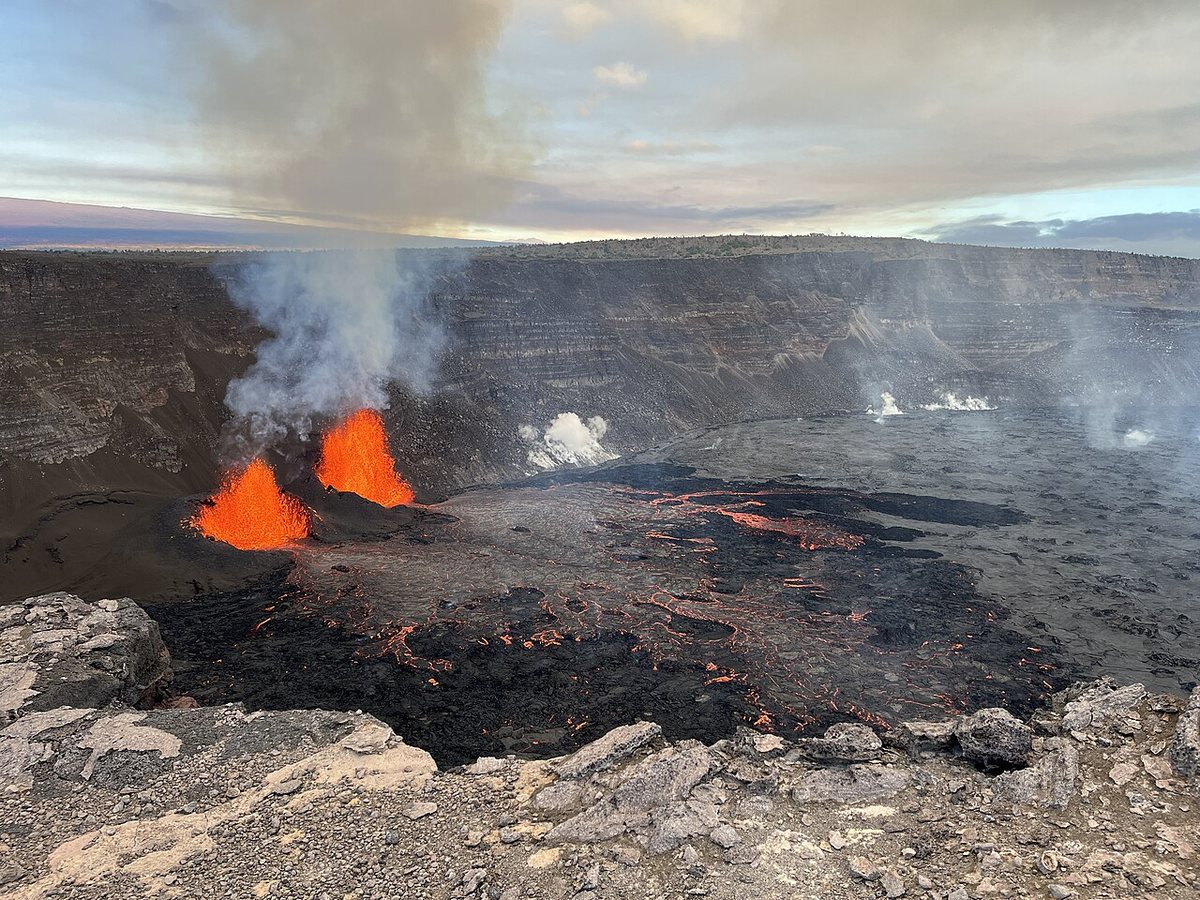
A new study by the U.S. Geological Survey is tracing the geochemistry of lava fountains at Kīlauea, one of the world's most active volcanoes, to better understand the molten rock that fuels its eruptions. The research focuses on the chemical signatures of lava ejected during fountain episodes, a line of inquiry that could sharpen scientists' ability to interpret what happens beneath the surface before and during an eruption.
Kīlauea, on the Big Island of Hawaii, has produced some of the most closely watched volcanic activity in recent decades, including prolonged lava effusion and dramatic fountain events. The USGS study examines the geochemistry of those fountains, analyzing the composition of the lava to trace how magma evolves as it rises and erupts. Such chemical tracking helps researchers distinguish between different batches of magma and the processes that modify them on the way to the surface.
The work fits into a broader effort by volcanologists to connect surface observations with subsurface processes. Lava fountains are particularly useful for this because they sample magma rapidly and can preserve geochemical information that might otherwise be obscured. By studying the chemistry of fountain material, scientists can gain clues about the source of the magma, the conditions it encountered during ascent, and the timing of recharge events that precede eruptions.
For communities near Kīlauea, the practical value of this research lies in improved understanding of eruptive behavior. Geochemical monitoring complements seismic, deformation, and gas measurements, adding another layer of evidence that can inform hazard assessments. The USGS has long maintained a monitoring network on Kīlauea, and studies like this one help translate chemical data into a clearer picture of how the volcano works.
The findings also contribute to the wider science of basaltic volcanism, which shapes landscapes and hazards in Hawaii and many other regions. Kīlauea's frequent activity makes it a natural laboratory for testing ideas about magma supply, storage, and transport. Each fountain episode offers a new set of samples and observations that researchers can compare with earlier events.
The study underscores the importance of sustained geochemical monitoring at active volcanoes. As analytical techniques improve, scientists can extract more detailed information from lava samples, potentially refining models of how eruptions begin and evolve. For Kīlauea, that means a growing record of its inner workings, built from the lava it sends into the air.
13