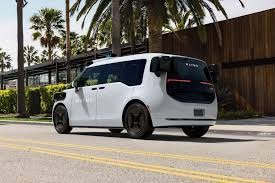
Waymo has begun offering rides to Harry Reid International Airport, extending its driverless service in Las Vegas to one of the busiest destinations in the region. The move comes only weeks after the company opened its autonomous rides to the public in the city in September, when it began serving a 24-square-mile area.
The airport service marks a significant step for the Alphabet-owned company, which has been steadily widening the footprint of its robotaxi operations in the United States. Airports are among the most heavily trafficked and logistically complex pickup and drop-off points in any city, and adding them to a driverless network requires coordination over curbside access, traffic flow and passenger handling.
Waymo's Las Vegas launch was already notable for its speed. The company began public rides in September and quickly established coverage across a 24-square-mile zone, giving residents and visitors access to fully autonomous trips without a human safety driver behind the wheel. Extending that service to the airport connects the city's core with its main gateway for tourists and business travelers.
The expansion reflects a broader push by Waymo to scale its commercial robotaxi business beyond its earliest markets. The company has been operating driverless rides in several U.S. cities and has positioned airports as a key use case, since travelers often carry luggage and seek predictable, app-hailed transportation. Airport trips also tend to be longer and higher in value than typical urban rides.
For Las Vegas, the arrival of driverless airport service adds another layer to a transportation market already shaped by heavy tourism and ride-hailing demand. Harry Reid International Airport handles tens of millions of passengers annually, and the route between the airport and the Las Vegas Strip is one of the most traveled corridors in the region.
Waymo has not disclosed how many vehicles it will dedicate to airport trips or whether the service will operate around the clock. The company's Las Vegas operations remain subject to state and local regulations governing autonomous vehicles, and the airport service will be watched closely as a test of how robotaxis perform in high-volume, time-sensitive travel environments.
The launch also comes as the autonomous vehicle industry faces continued scrutiny over safety, regulation and public acceptance. Waymo has argued that its systems reduce human error, and the company has been expanding its service areas as it gathers more operating data. Riders in Las Vegas can now request trips to and from the airport through the Waymo app, subject to the service's operating conditions.
17