Adding satellite measurements of heavy water isotopes to weather forecasting models can significantly improve predictions of wind, temperature, and heavy rainfall, according to a new study published in Nature Communications Earth & Environment. The research, led by Kinya Toride of the University of Colorado Boulder, NOAA, and the University of Tokyo, represents the first time scientists have demonstrated the benefit using real-world observational data rather than controlled laboratory simulations.
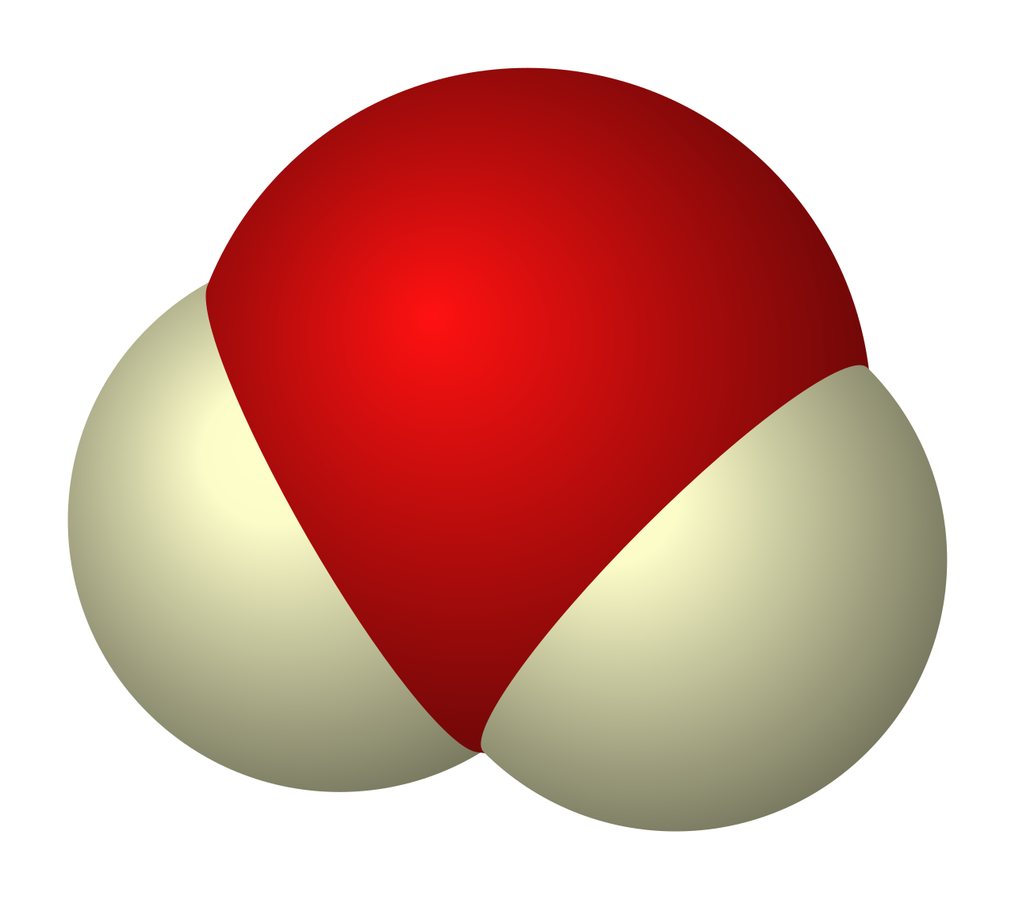
Water vapour isotopes carry a unique signature of atmospheric history. Heavy water molecules — those containing deuterium or oxygen-18 instead of normal hydrogen or oxygen-16 — condense more readily into liquid and evaporate less easily than ordinary water. Because the release and absorption of latent heat during condensation and evaporation is the primary energy source for atmospheric circulation, tracking these isotopes provides a direct physical link to the vertical heating processes that drive weather systems.
Current satellite networks cannot directly measure vertical heating structures or convective activity. Forecasters must infer these variables, introducing biases and inconsistencies that degrade model accuracy. The new approach uses data from the Infrared Atmospheric Sounding Interferometer (IASI), which provides long-term, accurate measurements of water vapour isotope ratios in the mid-troposphere. The team fed this data into a weather model through a technique called data assimilation, translating isotope signals into atmospheric variables such as temperature, wind, and humidity.
The results showed measurable improvements in estimating wind, temperature, and water vapour, leading to more accurate forecasts up to five days ahead. The method proved particularly effective for predicting heavy rainfall across multiple regions. While scientists have long theorized that water vapour isotopes could enhance forecasting, this study is the first to confirm it using actual satellite observations.
However, the researchers caution that operational implementation is not imminent. Real-time isotope data remain limited, and the forecasting models currently used by meteorologists are not designed to process such information. For isotope observations to become part of everyday weather forecasts, significantly more real-time data must be collected and processed. Either new models incorporating these data will need to be developed, or existing models will require adaptation.
Co-author Kei Yoshimura of the University of Tokyo emphasized the long-term vision in a press statement. «Our long-term goal is to develop more accurate satellite observations of water vapour isotopes and integrate them into operational weather forecasting systems,» he said. «This additional layer of information can help make everyday forecasts more reliable.»
The study arrives as satellite technology becomes more accessible. With more weather satellites being launched and costs continuing to decline, the availability of isotope data is expected to grow in coming years. That could eventually give meteorologists and weather presenters a powerful new tool for improving forecast accuracy, particularly for extreme precipitation events that pose significant risks to communities.
8