European seas have registered their hottest summer on record, a temperature surge that is reshaping marine habitats and the species that depend on them. The Bay of Biscay saw a significant rise in water temperature, with marine heatwaves persisting throughout the season rather than appearing as isolated events. The sustained warmth is not a localized anomaly but part of a broader pattern affecting waters across the continent.
One of the most visible consequences is the sharp decline of kelp forests off northern Spain. These underwater canopies serve as critical habitat and nursery grounds for a wide range of marine organisms, and their loss ripples through the local ecosystem. The disappearance of kelp alters the structure of coastal habitats, reducing shelter and food sources for species that have evolved alongside these forests.
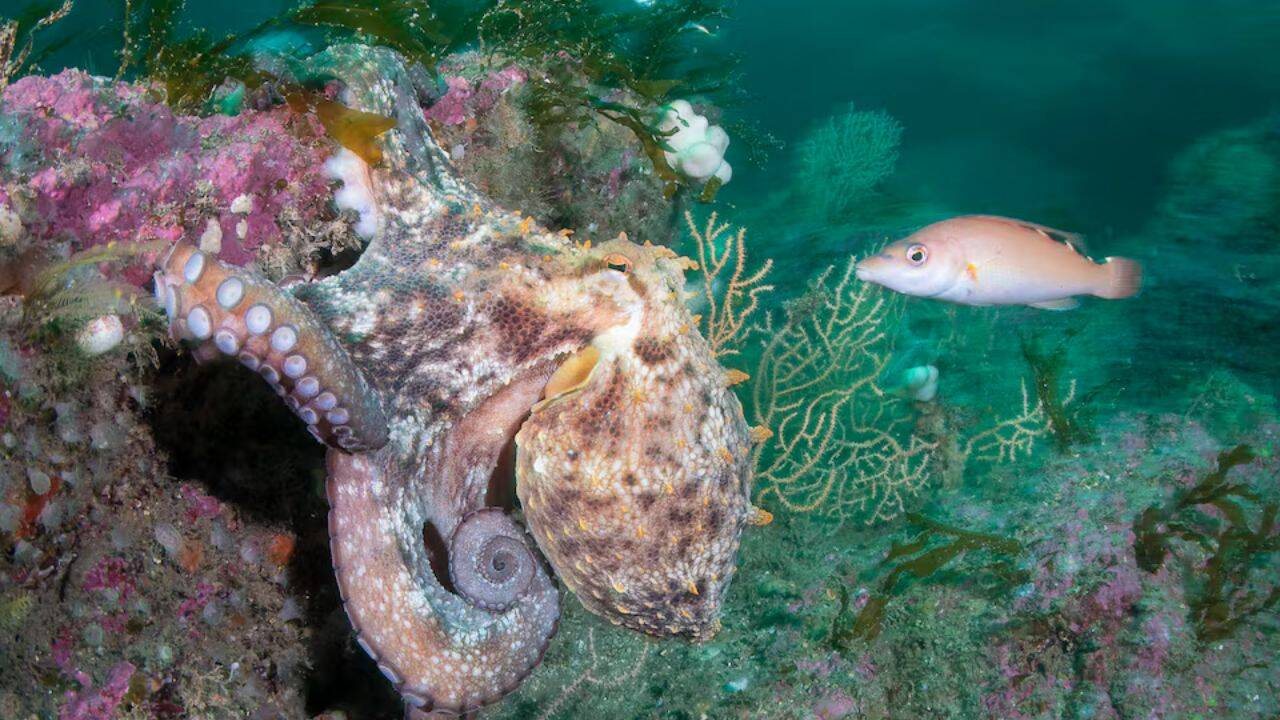
At the same time, octopus populations are surging in southern England. The shift is changing the economics of local fisheries, where traditional yields are being affected as the balance of species in the water shifts. Fishermen who have long relied on established catch patterns are now confronting a different mix of marine life, with the growing octopus presence both an ecological signal and a practical challenge.
The changes are not confined to Europe's northern and western waters. Non-native species are expanding into the Mediterranean, where they are altering local food chains and competitive dynamics. Warmer conditions appear to be creating opportunities for these incoming species to establish themselves, pressuring native organisms that are already coping with temperature stress.
Marine heatwaves — prolonged periods of unusually warm sea surface temperatures — are a key driver behind these shifts. Unlike short-term temperature spikes, heatwaves that last an entire season can push species beyond their tolerance limits, forcing migration, reducing reproduction, or causing mass mortality in sensitive habitats. The record summer in European waters suggests such events are becoming more frequent and more intense.
The combined effects — kelp loss, octopus expansion, and the arrival of non-native species — illustrate how a single climatic pressure can produce multiple, sometimes contradictory, outcomes across a region. Some species benefit while others decline, and the resulting reshuffling of marine communities has implications for biodiversity, coastal economies, and the fishing industries that depend on predictable stocks.
Scientists and fisheries managers are watching these developments closely, as the changes observed this summer may signal a longer-term restructuring of European marine ecosystems. The record temperatures add urgency to understanding how warming seas will continue to redistribute marine life, and what that means for the people and industries tied to the coast.
6