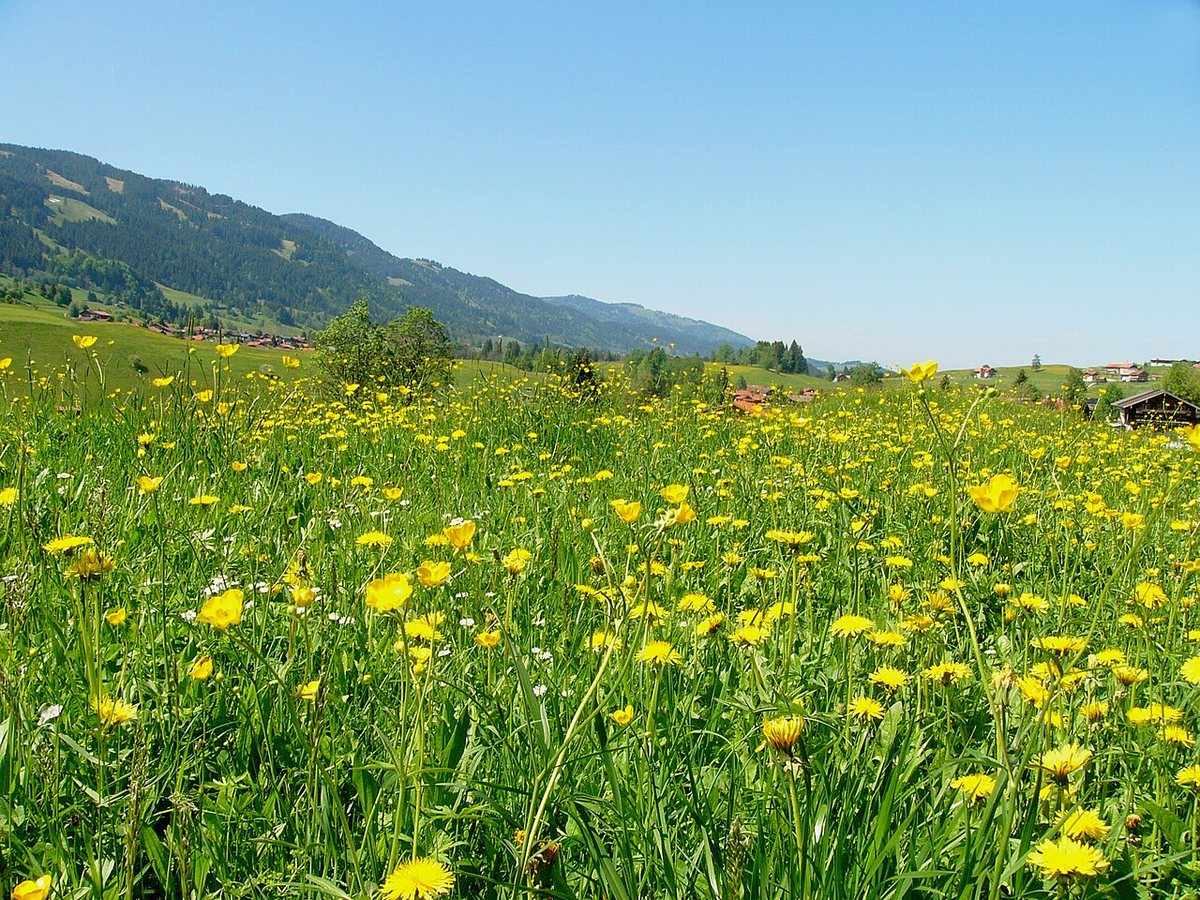
Friends of the Lake District has announced plans to plant hundreds of wildflowers in a meadow as part of an effort to reintroduce species that have been lost due to certain farming practices. The conservation group aims to restore native flora and enhance biodiversity in the region, according to a recent report.
The project will involve sowing a diverse mix of wildflower seeds, including species that were once common but have declined significantly over recent decades. Intensive agriculture, including the use of herbicides and the conversion of meadows to monoculture pastures, has been blamed for the loss of many native plants. By reintroducing these species, Friends of the Lake District hopes to create a haven for pollinators and other wildlife that depend on wildflower-rich habitats.
The meadow selected for the planting is located in the Lake District, a national park in northwest England known for its stunning landscapes and ecological importance. The group has not specified the exact location, but the site is expected to be managed to encourage the establishment of the newly planted wildflowers. Volunteers and local community members may be involved in the planting effort, which is scheduled to take place in the coming months.
Wildflower meadows are among the most threatened habitats in the UK, with over 97% of those present in the 1930s having been lost. The decline has been driven by agricultural intensification, urban development, and changes in land management. The loss of these habitats has had a profound impact on pollinators such as bees and butterflies, as well as on birds and small mammals that rely on the seeds and insects found in meadows.
Friends of the Lake District is a charity dedicated to protecting and enhancing the landscape and natural environment of the Lake District and Cumbria. The organization has a history of undertaking conservation projects, including tree planting, footpath restoration, and habitat management. This latest initiative aligns with broader efforts across the UK to restore wildflower meadows and combat biodiversity loss.
The project also reflects a growing recognition of the role that local communities and conservation groups can play in addressing environmental challenges. By reintroducing lost species, the group hopes to not only improve the ecological value of the meadow but also to create a space where people can connect with nature. The planting is expected to attract a variety of pollinators and provide a colorful display for visitors.
While the exact number of wildflowers to be planted has not been disclosed, the title of the report suggests it will be in the hundreds. The success of the project will depend on factors such as seed germination, weather conditions, and ongoing management. Friends of the Lake District has indicated that it will monitor the site to ensure the wildflowers become established.
This initiative comes amid wider concerns about the state of nature in the UK. A 2023 report by the National Trust warned that nature is in crisis, with many species at risk of extinction. The government has set targets to halt species decline by 2030, but critics argue that more action is needed. Projects like this one, though small in scale, contribute to a larger movement to restore ecosystems and promote sustainable land use.
For the Lake District, the meadow restoration could serve as a model for other areas. The national park attracts millions of visitors each year, and its landscapes are a key part of its appeal. By enhancing biodiversity, the project may also support the local economy by drawing nature enthusiasts and providing educational opportunities.
Friends of the Lake District has not yet announced a timeline for the planting or how the public can get involved. However, the group regularly engages volunteers and members in its work. Those interested in supporting the project can likely find more information on the charity's website or by contacting the organization directly.
The reintroduction of wildflowers is a small but meaningful step toward reversing the decline of native species. As the project unfolds, it will be watched by conservationists and local residents alike, hopeful that the meadow will once again bloom with the colors and life that were lost to modern farming practices.
8