NASA's Artemis II mission, which aims to send astronauts around the moon for the first time in over 50 years, has already set a record before leaving the ground. The agency's livestream coverage of the mission announcement and related events garnered 149 million views, surpassing any previous NASA streaming event and underscoring the enduring public fascination with lunar exploration.
The milestone was announced by NASA officials, who noted that the viewership numbers reflect a broad global interest in the Artemis program. The livestream included the reveal of the four astronauts selected for the mission, as well as updates on the Space Launch System rocket and Orion spacecraft that will carry them. The record-breaking audience highlights the significance of the mission, which is seen as a critical step toward returning humans to the moon and eventually sending astronauts to Mars.
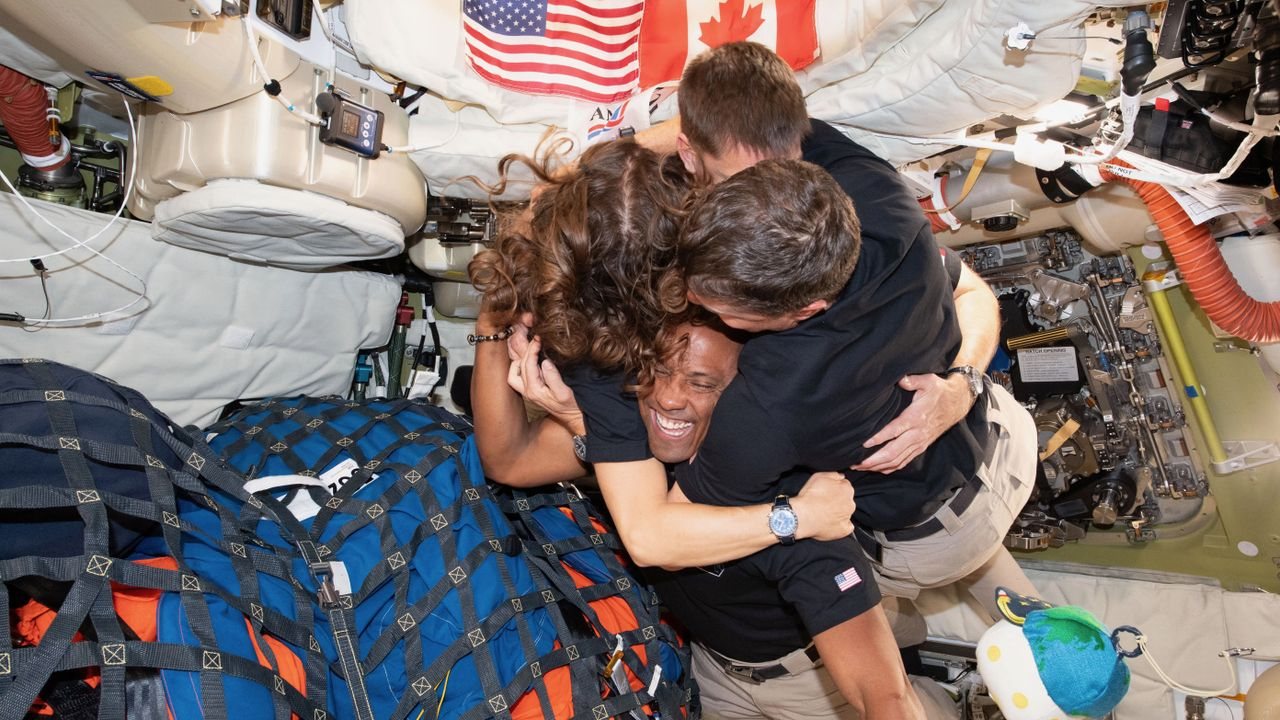
Artemis II is scheduled to launch no earlier than November 2024, pending final preparations and weather conditions. The mission will carry a crew of four astronauts on a 10-day flight that will take them around the moon and back to Earth, testing key systems and procedures needed for future lunar landings. The crew includes Commander Reid Wiseman, Pilot Victor Glover, Mission Specialist Christina Koch, and Canadian astronaut Jeremy Hansen, representing a diverse team that has captured public attention.
The previous NASA streaming record was held by the Perseverance rover landing on Mars in February 2021, which drew about 100 million views. The Artemis II livestream's 149 million views represent a nearly 50 percent increase, driven by widespread media coverage and social media sharing. The event was streamed on NASA's website, YouTube channel, and other platforms, with peak concurrent viewership reaching over 2 million at the moment of the crew announcement.
The Artemis program, named after the twin sister of Apollo in Greek mythology, aims to establish a sustainable human presence on the moon by the end of the decade. Artemis I, an uncrewed test flight, successfully completed its mission in late 2022, sending the Orion spacecraft around the moon and back. Artemis II will be the first crewed flight of the program, paving the way for Artemis III, which plans to land astronauts near the lunar south pole.
NASA's streaming success also reflects broader trends in how space agencies engage with the public. Live broadcasts of launches, landings, and mission milestones have become major digital events, drawing millions of viewers worldwide. The agency has invested in high-quality production, including multiple camera angles, expert commentary, and interactive features, to make space exploration accessible to a global audience.
The 149 million views include both live and on-demand viewership over the first 48 hours after the stream began. NASA has not yet released a breakdown by platform, but the agency noted that the majority of views came from YouTube, followed by NASA's own website and social media channels. The record is expected to grow as more people watch the archived stream in the coming weeks.
The Artemis II crew has been training intensively for the mission, which will test the Orion spacecraft's life support systems, navigation, and communication capabilities in deep space. The astronauts will also conduct experiments and document their journey for scientific and educational purposes. The mission is a collaborative effort involving NASA, the Canadian Space Agency, and other international partners.
Public interest in the Artemis program has been fueled by its ambitious goals and the historic nature of the crew. Victor Glover will become the first Black astronaut to travel to the moon, while Christina Koch, who holds the record for the longest single spaceflight by a woman, will be the first woman to venture beyond low Earth orbit. Jeremy Hansen will be the first Canadian to fly to the moon, marking a milestone for international cooperation in space exploration.
NASA officials have expressed optimism about the mission's timeline, though they caution that technical challenges and weather could affect the launch date. The Space Launch System rocket and Orion spacecraft are undergoing final testing and integration at the Kennedy Space Center in Florida. The agency expects to provide a more precise launch date in the coming months.
The streaming record is a testament to the power of digital media in building public support for space exploration. As NASA prepares for the Artemis II launch, the agency is likely to see even higher viewership for the liftoff itself, which will be broadcast live around the world. The mission represents a new chapter in human spaceflight, and the public is watching closely.
158