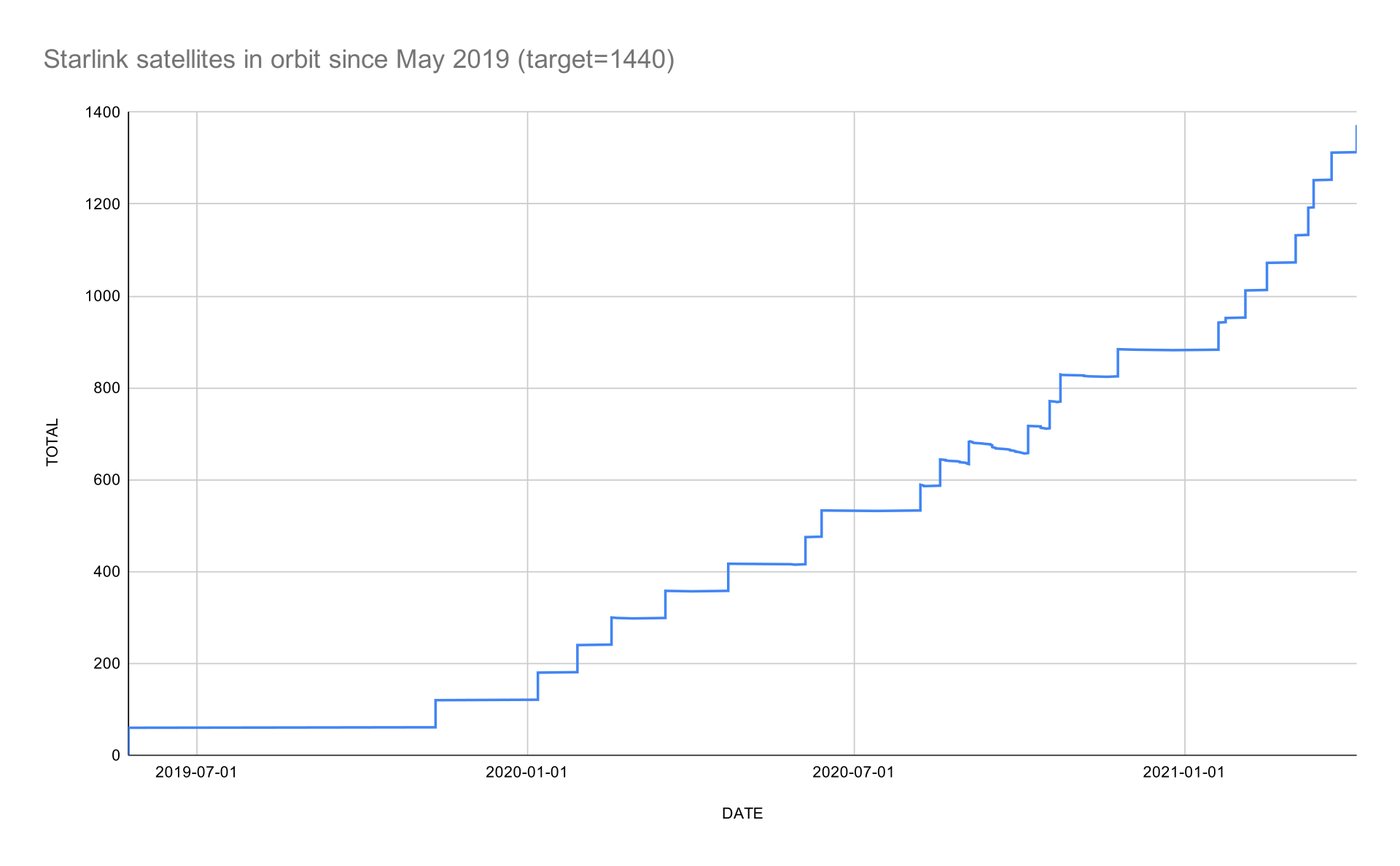
SpaceX launched 27 Starlink satellites aboard a Falcon 9 rocket from Vandenberg Space Force Base in California, adding another batch to the company's rapidly expanding broadband megaconstellation. The mission continues a launch cadence that has made Starlink the largest satellite network in orbit and a central driver of the global launch industry.
The Falcon 9 carried the satellites to low Earth orbit, where they will join thousands of operational Starlink spacecraft providing internet service to customers on the ground. Vandenberg, on California's central coast, has become a key West Coast hub for SpaceX polar and mid-inclination launches, complementing the company's high-volume operations at Cape Canaveral in Florida.
The launch highlights the accelerating pace of commercial space activity and the growing role of private constellations in global communications. Starlink has expanded broadband access to underserved and remote regions, while also becoming a factor in military communications, disaster response, and maritime connectivity. Each new batch increases the network's capacity and redundancy.
The expansion has also intensified scrutiny from astronomers and regulators concerned about orbital congestion, light pollution, and the risk of collisions in low Earth orbit. Researchers have documented how satellite trails affect telescope observations, and space agencies track the growing number of objects circling the planet. SpaceX has worked on dimming measures and coordination with the scientific community, though concerns persist as the constellation grows.
Falcon 9 remains the workhorse of the Starlink program, with reusable first stages that return to Earth after launch. The rocket's high flight rate has lowered the cost of reaching orbit and reshaped the economics of the launch market, pressuring competitors in the United States, Europe, and China to develop reusable vehicles of their own.
The Vandenberg mission underscores how routine satellite launches have become, even as their cumulative effects on the orbital environment and the night sky draw increasing attention from scientists and policymakers. For SpaceX, each launch is another step in building a global network; for the wider space community, it is another data point in the debate over how to manage the crowded space around Earth.
12