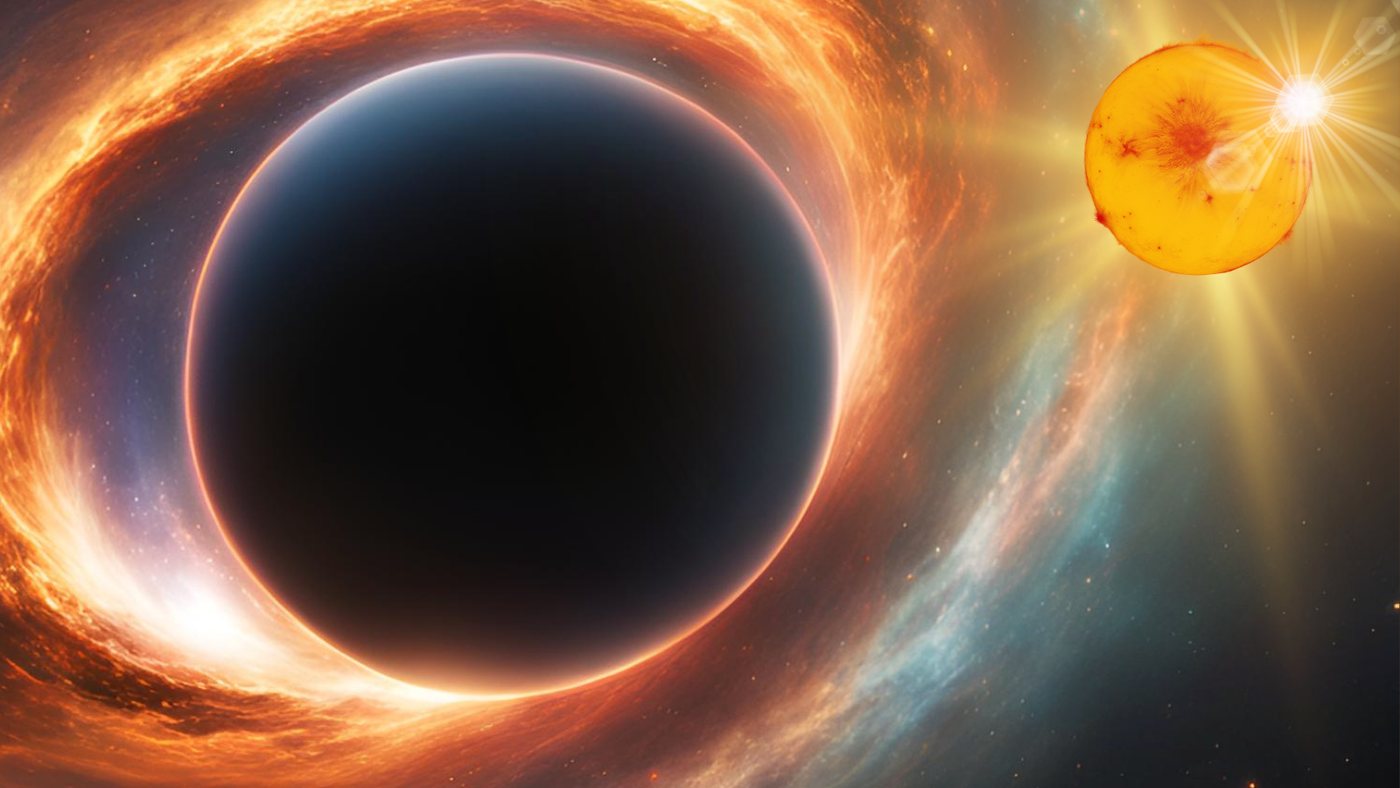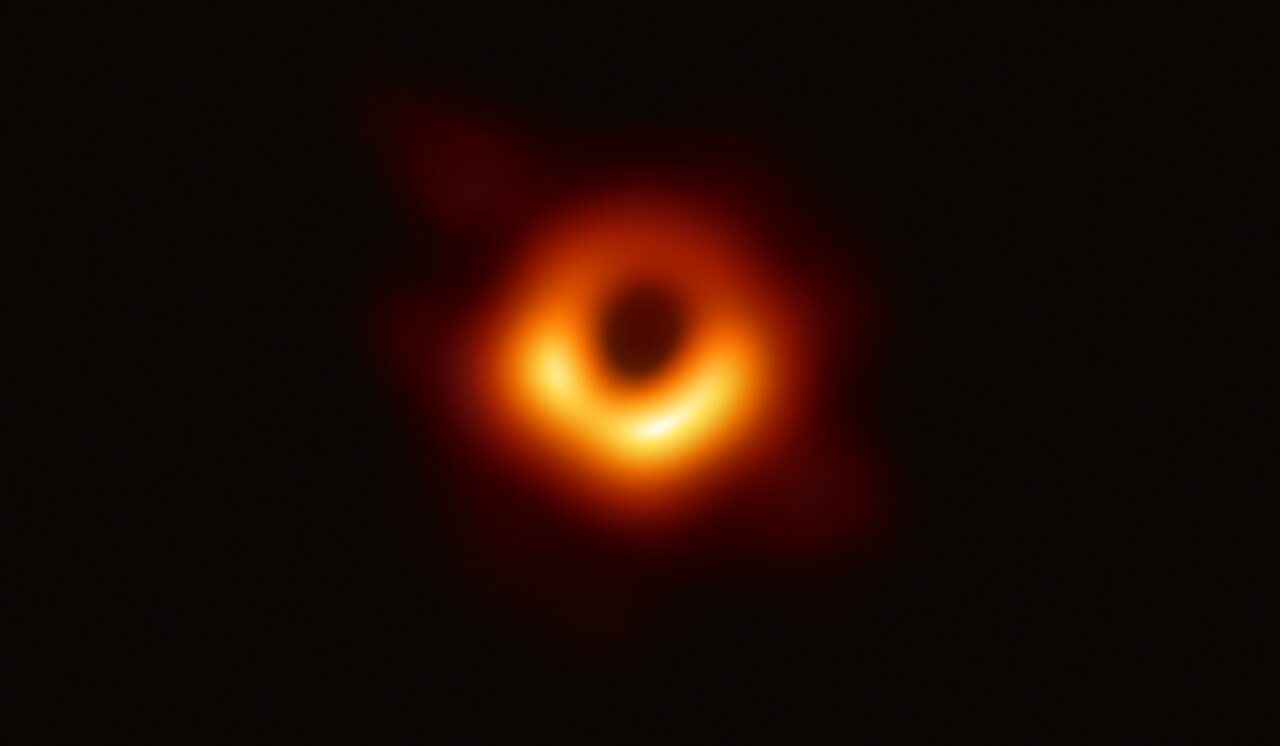
Astronomers have observed storm-like activity around a supermassive black hole for the first time, detecting what researchers describe as solar storms in the extreme environment near the heart of a distant galaxy. The finding, reported by an international team, offers a rare look at how charged particles and magnetic fields behave under some of the most intense gravity known in the universe.
The observations center on the region immediately surrounding the black hole, where infalling matter forms a hot, magnetized disk. Within this turbulent zone, the team identified sudden releases of energy resembling the flares and coronal mass ejections that erupt from the Sun. Such events had been theorized but never directly observed in the vicinity of a supermassive black hole.
According to the research team, the storms appear as rapid, bright variations in the emission from the inner disk. By tracking these changes across multiple wavelengths, the scientists were able to distinguish the flares from ordinary flickering caused by the chaotic flow of material. The pattern suggests that magnetic fields near the black hole become twisted and then snap, launching bursts of plasma outward much as they do in the Sun's atmosphere.
The discovery has implications beyond the immediate target. Supermassive black holes are thought to play a central role in the evolution of galaxies, regulating star formation and heating the surrounding gas. If storm activity is common near these objects, it could help explain how energy and matter are transported outward from the disk and into the broader galactic environment.
The team notes that the observed storms are far more energetic than their solar counterparts. The black hole's gravity and the extreme temperatures of the surrounding disk create conditions that amplify magnetic reconnection, the process believed to power the eruptions. Researchers say the new data provide a natural laboratory for testing models of plasma physics that cannot be reproduced on Earth.
Astronomers plan to follow up with higher-resolution observations to determine how often these storms occur and whether they vary with the black hole's feeding rate. The results also raise questions about how such outbursts might affect nearby stars and gas clouds, and whether they contribute to the winds that sweep through host galaxies.
The finding adds to a growing body of evidence that black holes are not passive sinks but dynamic engines that shape their surroundings. For researchers studying the Sun, the discovery offers an unexpected parallel: the same basic physics that drives space weather in our own solar system appears to operate, at vastly greater scales, around one of the most extreme objects in the cosmos.
13