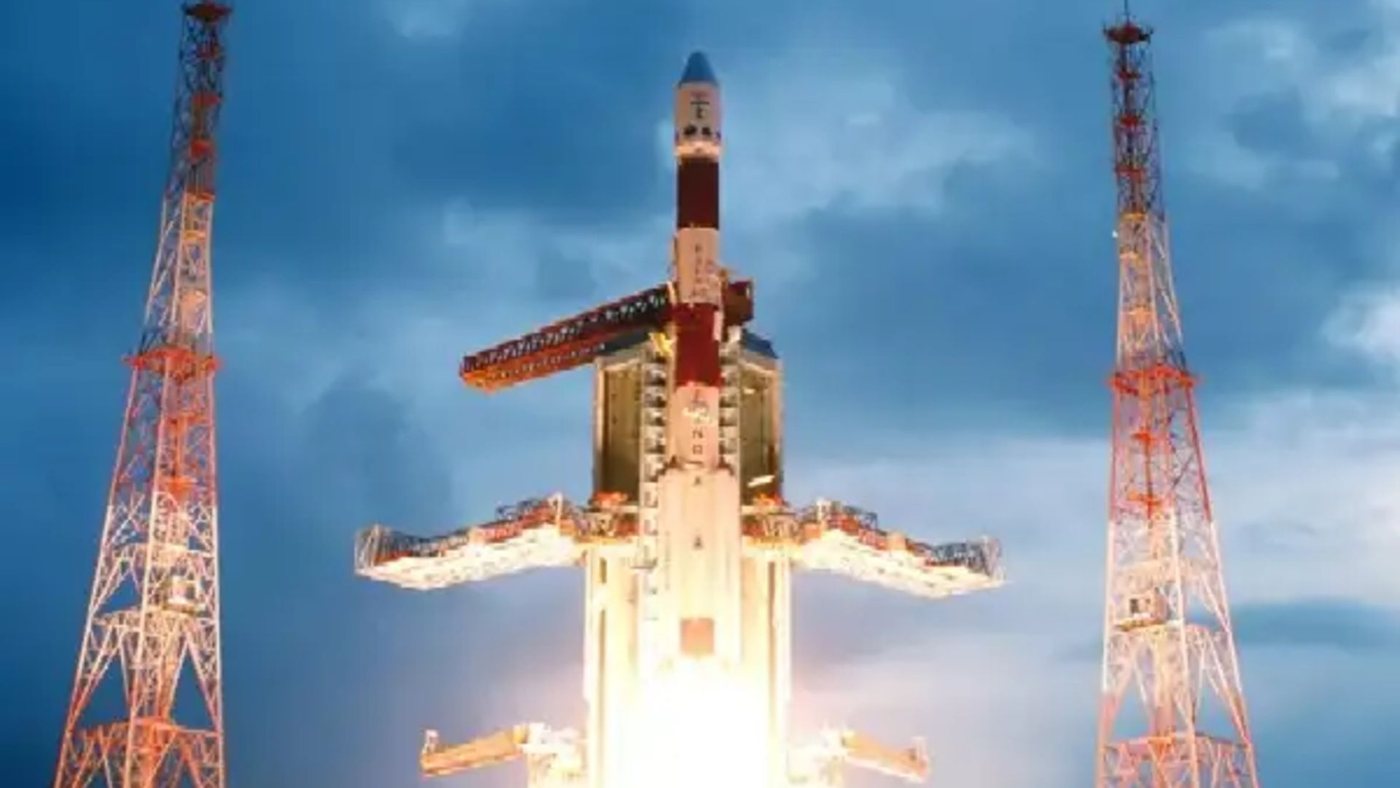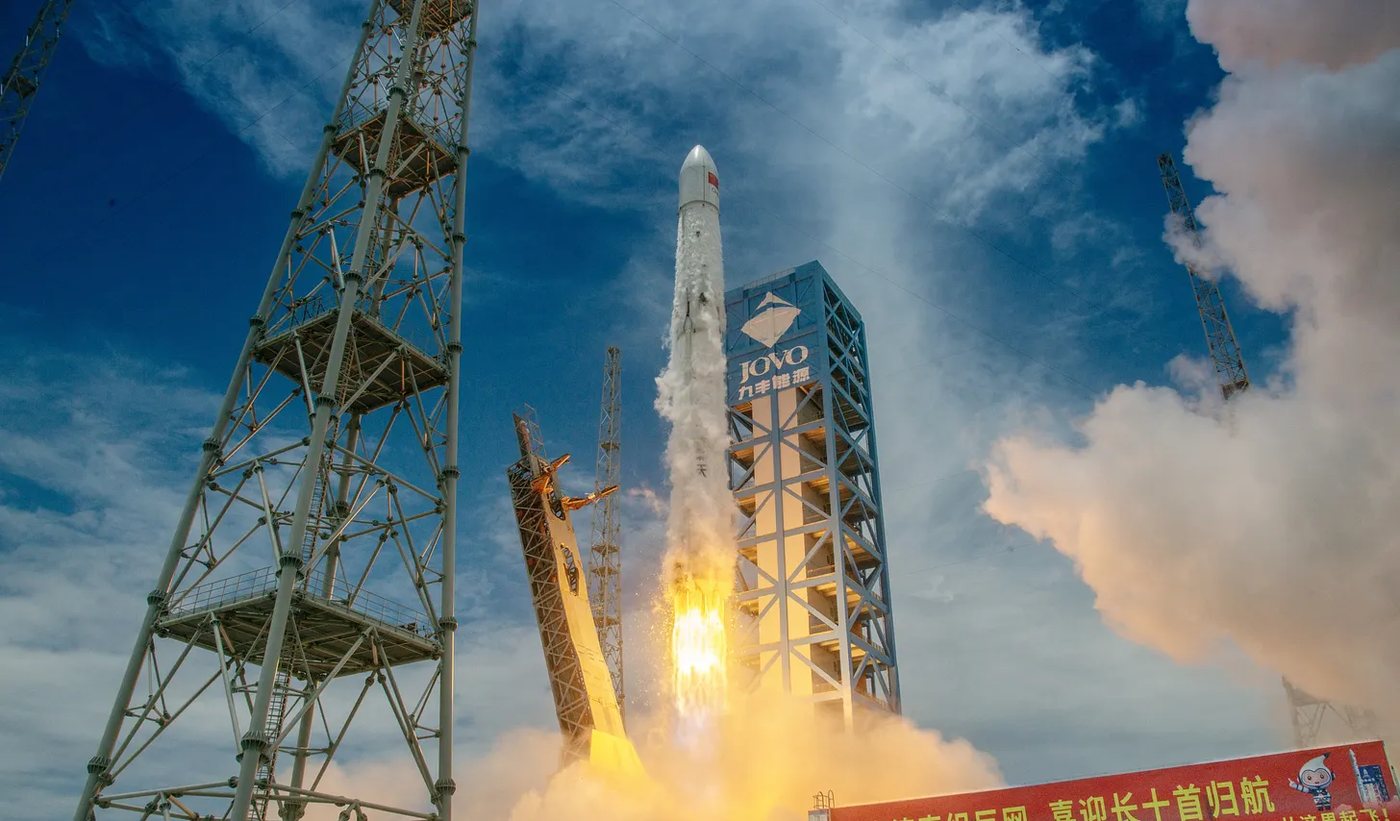
A United Launch Alliance Atlas V rocket lifted off from Cape Canaveral Space Force Station in Florida on July 2, carrying 29 broadband satellites for Amazon's Project Kuiper constellation. The launch, designated Amazon Leo 8, was the final Atlas V mission dedicated to deploying satellites for the ambitious internet-from-space initiative.
The rocket lifted off at 5:26 p.m. Eastern Daylight Time from Space Launch Complex 41, piercing the afternoon sky as it carried the payload toward low Earth orbit. The mission was the eighth and last Atlas V flight to carry Amazon satellites, completing a key phase of the company's plan to build a global broadband network.
Amazon's Project Kuiper aims to provide high-speed, low-latency internet service to underserved and unserved communities around the world. The constellation will consist of more than 3,200 satellites in low Earth orbit, designed to compete with similar networks such as SpaceX's Starlink and OneWeb.
With this launch, Amazon has now deployed a significant portion of its initial satellite batch. The company has been racing to meet regulatory requirements set by the Federal Communications Commission, which mandates that half of the constellation must be in orbit by July 2026. The FCC license requires Amazon to deploy at least 1,618 satellites by that deadline to maintain its spectrum rights.
The Atlas V rocket, built by United Launch Alliance, has been a workhorse for the U.S. space industry for decades. This particular mission used the Atlas V 551 configuration, the most powerful variant of the rocket, which features a five-meter payload fairing, five solid rocket boosters, and a single-engine Centaur upper stage. The 551 variant is capable of lifting heavy payloads to geostationary transfer orbit and beyond.
ULA has been phasing out the Atlas V in favor of its next-generation Vulcan Centaur rocket, which is designed to be more cost-effective and capable. The Atlas V family has flown more than 100 missions since its debut in 2002, with a perfect success record. However, the rocket relies on Russian-made RD-180 engines for its first stage, a dependency that ULA and its parent companies, Boeing and Lockheed Martin, have been eager to eliminate.
The Vulcan Centaur, which uses the American-made BE-4 engine developed by Blue Origin, had its first successful launch in January 2024 and is expected to take over the bulk of ULA's launch manifest. The Amazon Leo 8 mission was one of the last Atlas V launches scheduled, with only a few remaining flights dedicated to other customers before the rocket is fully retired.
Amazon has contracted with multiple launch providers for its Kuiper constellation, including ULA, Blue Origin, and Arianespace. The company has ordered dozens of launches to deploy the full constellation, with the bulk of the missions expected to fly on Blue Origin's New Glenn rocket and ULA's Vulcan Centaur.
The satellites deployed in this mission are part of Amazon's initial production batch, following the successful launch of two prototype satellites in October 2023. Those prototypes, named KuiperSat-1 and KuiperSat-2, demonstrated the technology and allowed Amazon to test its ground network and user terminals.
Amazon has said it plans to begin beta testing of its Kuiper service with commercial customers later this year, though the timeline depends on the pace of satellite deployments. The company has invested billions of dollars in the project and has built a satellite manufacturing facility in Kirkland, Washington, capable of producing up to four satellites per day.
The launch was originally scheduled for earlier in the week but was delayed due to weather conditions at the Cape Canaveral launch site. The Atlas V rocket performed nominally throughout the ascent, and the satellites were successfully deployed into their intended orbit approximately 90 minutes after liftoff.
Space enthusiasts and local residents gathered along the Florida coast to witness the launch, which was visible for miles around. The rocket's bright exhaust plume created a spectacular sight as it climbed through the atmosphere, leaving a glowing trail against the darkening sky.
With this mission complete, Amazon now turns its attention to the next phase of its deployment campaign. The company has said it expects to launch satellites at a rapid pace over the next two years to meet its FCC deadline and begin offering commercial service. The success of the Atlas V mission marks a significant milestone in that effort, demonstrating that Amazon's production and launch systems are functioning as intended.
176