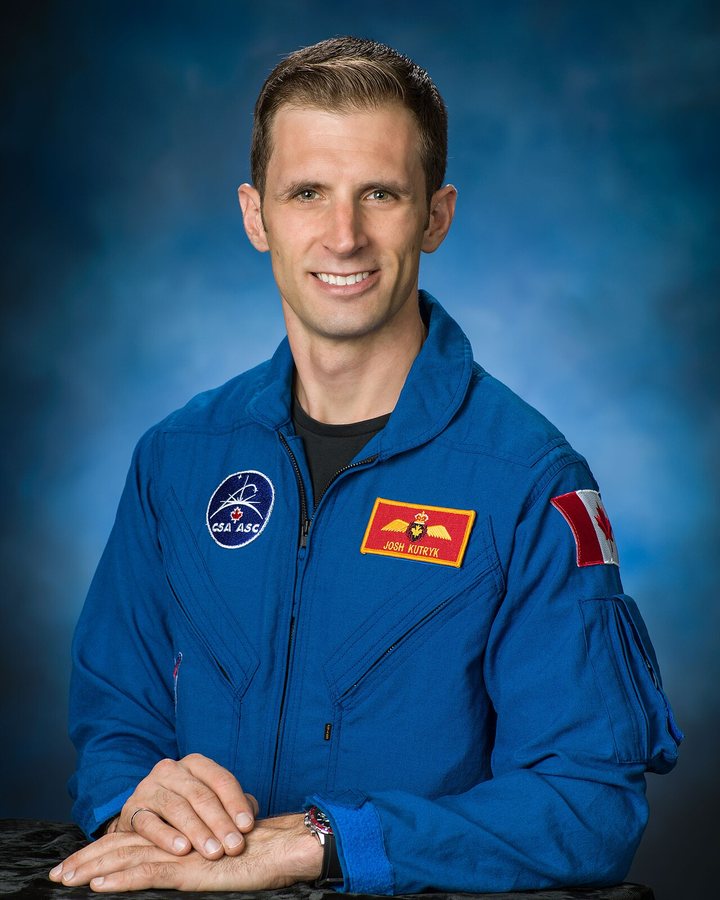
Canadian astronaut Joshua Kutryk is set to launch to the International Space Station on October 1 aboard a SpaceX Crew Dragon capsule, after technical issues discovered during final pre-flight checks forced a delay from the original September 12 target. The mission, designated Crew 13, is a joint NASA-SpaceX operation that will send Kutryk and three international crewmates to the orbital laboratory for a six-month deployment.
The delay stems from spacecraft technical issues identified during final pre-flight checks, according to mission planners. The revised October 1 window aligns with standard ISS crew rotation schedules, ensuring continuous habitation and research operations aboard the station. Kutryk will ride alongside NASA astronauts Jessica Watkins and Luke Delaney, as well as Russian cosmonaut Sergey Teteriatnikov. The mixed-nationality crew underscores the continued operational interdependence between Western space agencies and Roscosmos, even as geopolitical tensions persist on Earth. The presence of a Russian cosmonaut on a commercially operated American vehicle highlights the pragmatic necessity of maintaining ISS operational continuity.
For Kutryk, the mission marks his first spaceflight and establishes him as the first Canadian astronaut to participate in a joint NASA-SpaceX crew rotation. He was initially assigned to Boeing's CST-100 Starliner program, but persistent developmental setbacks and safety concerns surrounding Boeing's first crewed missions led to his reassignment to SpaceX's proven flight architecture. The switch reflects a broader shift in how national space agencies approach human spaceflight, leveraging commercial providers to bypass the traditional decade-long gaps between crewed missions.
The October launch reinforces Canada's accelerated posture in human spaceflight. It arrives just six months after Canadian astronaut Jeremy Hansen's participation in the Artemis II mission, which secured the Canadian Space Agency a prominent role in the first crewed lunar orbit since the Apollo era. This rapid succession of missions demonstrates the maturation of Canada's astronaut corps and its successful integration into the commercial low-Earth orbit economy. By relying on commercial providers like SpaceX, national space agencies can ensure sustained national presence in orbital domains without bearing the full cost and risk of developing their own launch vehicles.
During his six-month stay, Kutryk will focus on materials science, biological research, and Earth observation tasks managed by the Canadian Space Agency. The mission also carries personal significance: Kutryk has noted that an heirloom pocket watch, which traveled from Ukraine to Canada during his family's immigration, was previously sent to the ISS aboard an uncrewed cargo resupply mission, effectively beating him to orbit.
Industry analysts note that the transition from government-operated launch vehicles to commercial crew capsules has fundamentally altered the risk profile and scheduling flexibility of orbital missions. While technical delays remain an inherent reality of spaceflight, the availability of multiple commercial providers ensures that national commitments to the ISS consortium remain robust. As Kutryk enters final quarantine protocols ahead of the October 1 launch, the mission serves as a critical test of international crew integration and the long-term viability of commercial orbital transport systems for allied nations.
14