Italy is developing a system designed to generate artificial gravity in space, a concept long confined to science fiction that researchers now regard as a practical necessity for future crewed missions. The work comes as Europe considers building its own space station in the coming years, a plan that would give the continent a permanent orbital outpost of its own.
Artificial gravity would address one of the most persistent health problems of spaceflight. In microgravity, astronauts lose bone and muscle mass, and their bodies undergo fluid redistribution and other physiological changes that can persist after they return to Earth. Current missions aboard the International Space Station rely on exercise regimes and other countermeasures to limit these effects, but they remain imperfect. They also become harder to justify as mission durations grow longer, particularly for journeys toward the Moon or Mars that would keep crews weightless for many months.
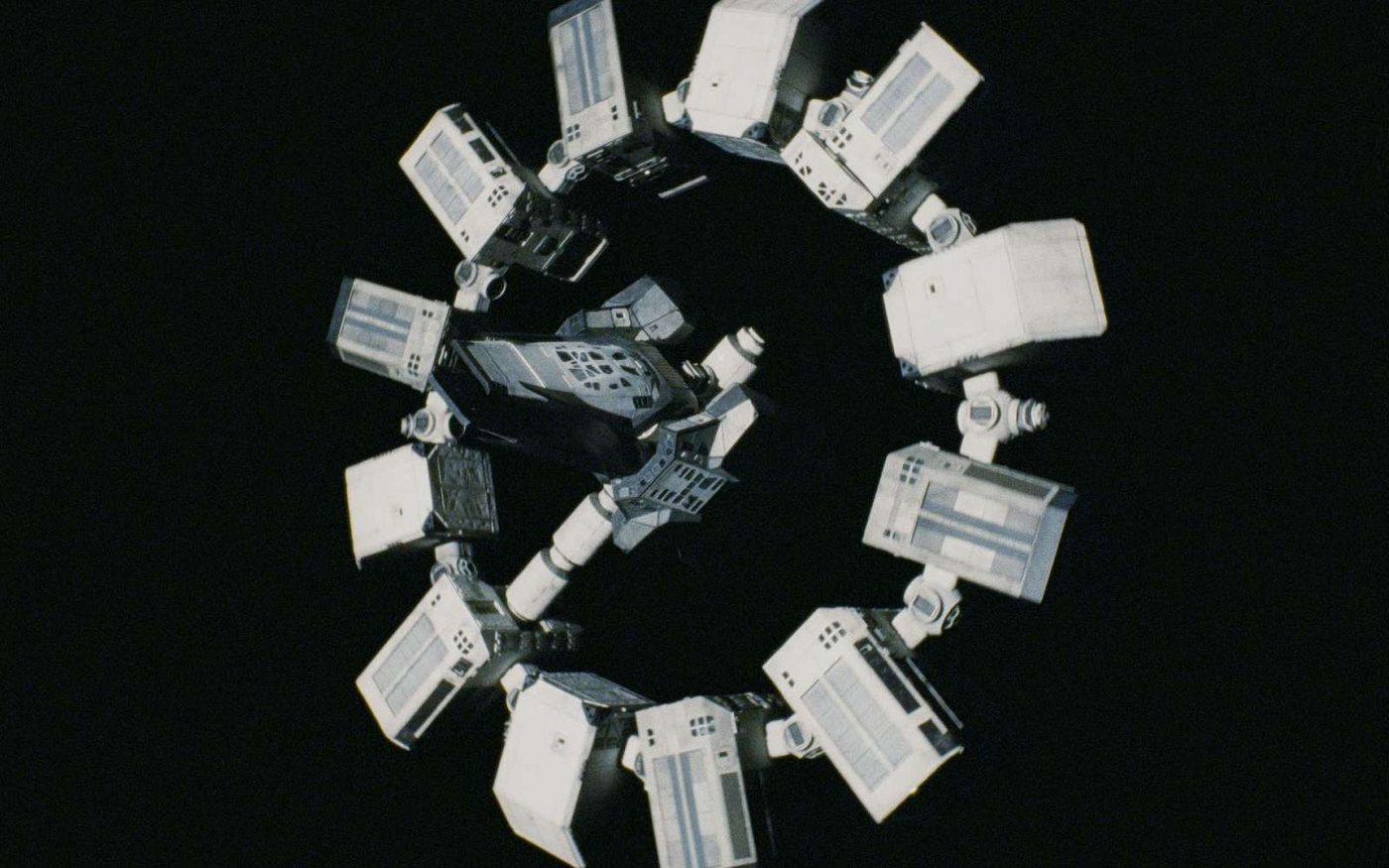
The technological challenge is considerable. Creating a gravity-like force inside a spacecraft typically means rotating a habitat or a section of it, so that centrifugal force presses occupants against the outer wall. Such designs must balance rotation speed against habitat size. A spin that is too fast can cause motion sickness and disorientation, while a larger radius is needed to make the force comfortable. Engineers must also manage the structural stresses of a rotating structure and integrate it with the life-support, power, and navigation systems that a crewed vehicle requires.
The Italian project is presented as a step toward those goals rather than an immediate flight capability. The source material does not detail the timeline, the specific engineering approach, or the institutions leading the work, so the scope of what has been built so far remains unclear. No official statement, test result, or prototype specification has been published in the material available for this report. What is established is that the effort is framed as essential for vehicles that would carry people far from Earth, including missions that extend well beyond the reach of current spacecraft.
The interest in artificial gravity reflects a broader shift in how space agencies and private companies plan for the future. For decades, the International Space Station has served as the main laboratory for studying the effects of weightlessness, and its findings have shaped medical protocols for astronauts. Europe's discussion of a station of its own raises the question of what it will be designed to do, and whether future European crews will be able to remain healthy on journeys that last far longer than a typical orbital stay.
Whether Italy's experiment becomes a flight-tested system will depend on engineering results that have yet to be made public. Until such data emerges, the project stands as an early indication that artificial gravity is moving from theory toward practical evaluation. For a field that has long relied on the spinning-habitat concepts of earlier decades, even a preparatory step of this kind marks a meaningful change in direction.
13