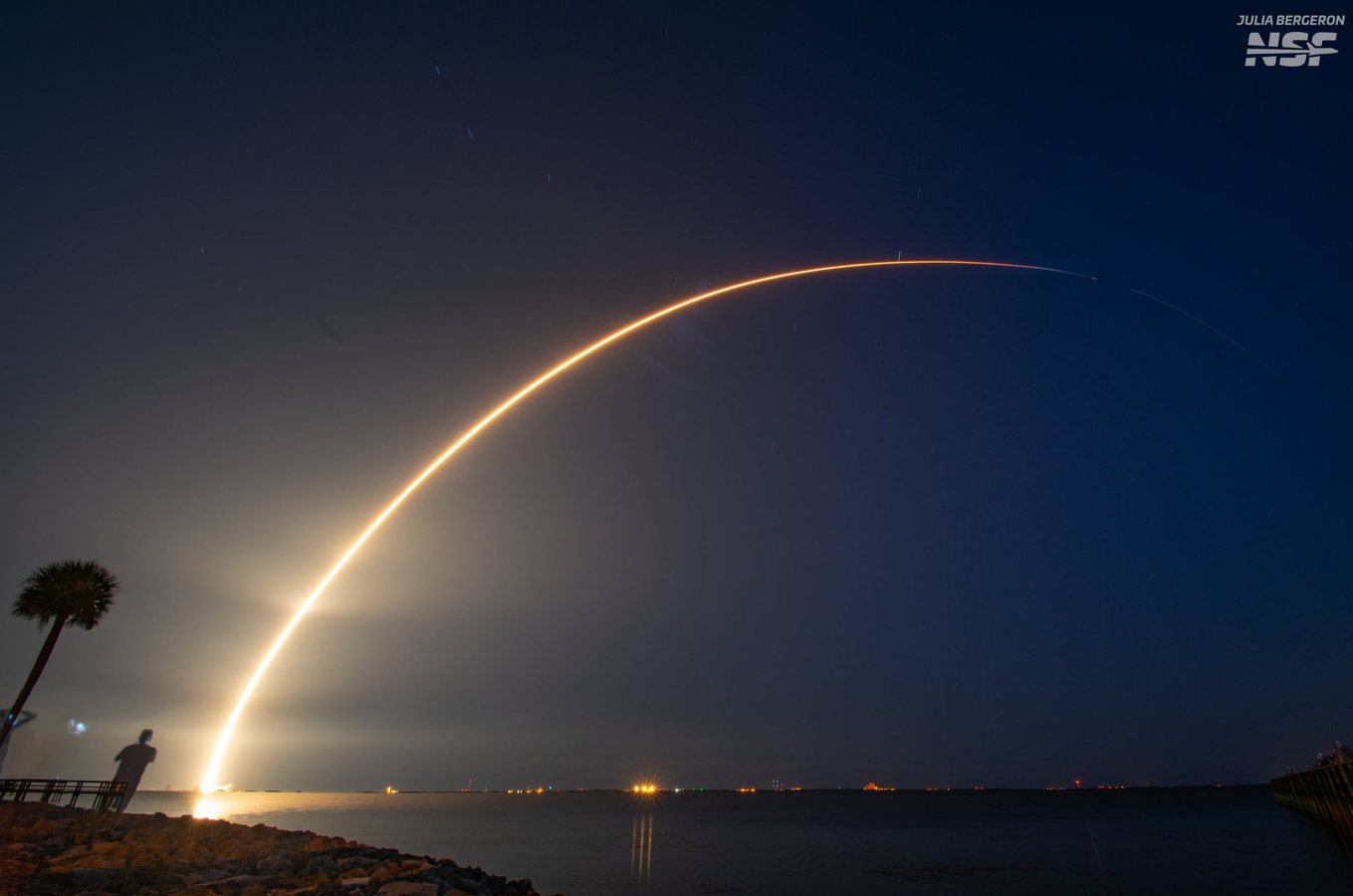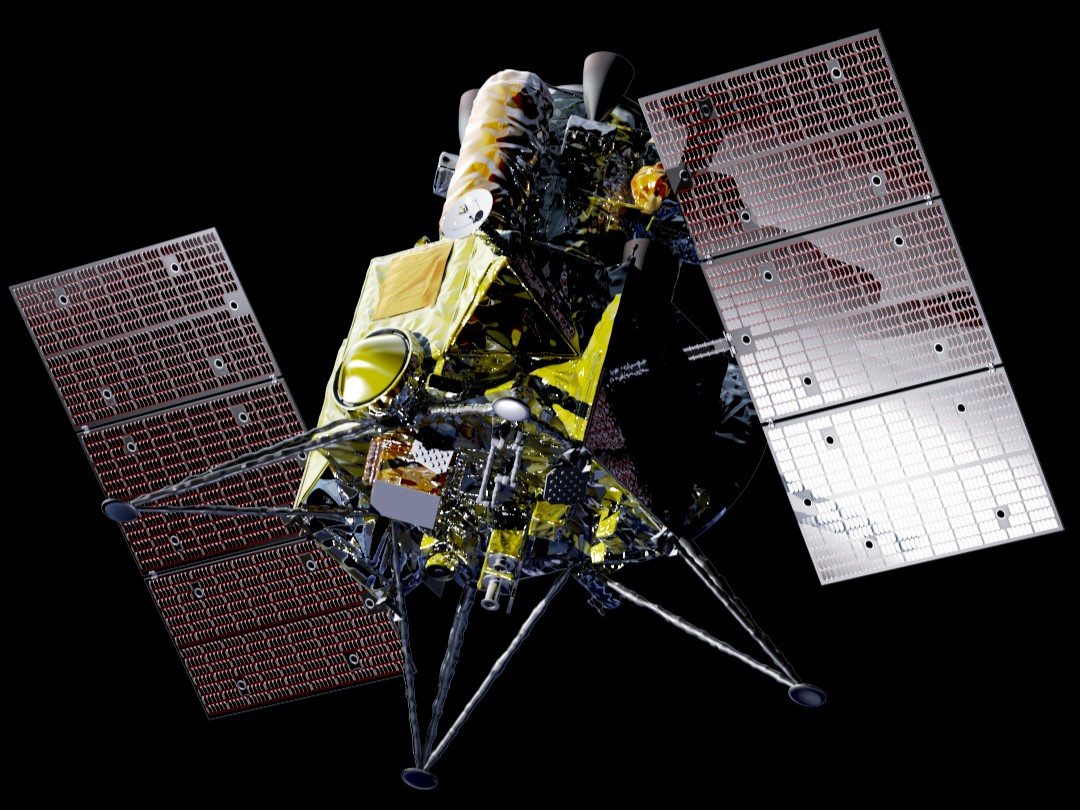
Japan has launched its Martian Moons eXploration mission, known as MMX, with the goal of collecting the first samples ever taken from Phobos, the larger of Mars's two moons. The spacecraft will spend more than 16 months studying the moon before gathering material, and the samples will not reach Earth until at least 2031.
The mission's timeline reflects the careful, multi-stage approach required for a sample-return journey to another world. Before any material is collected, the spacecraft will spend more than a year and a half surveying Phobos to map its surface and select suitable collection sites. Only after that survey period will the mission move to the sampling phase, and the return journey to Earth will take several more years.
Phobos is of particular interest to planetary scientists because its origin remains unresolved. Researchers have debated whether the moon is a captured asteroid or the remnant of a larger body that was disrupted and reassembled after an impact. Samples returned to Earth would allow laboratories to analyze the composition of the moon directly, offering evidence that remote observations cannot provide.
Because the returned material will not arrive until at least 2031, the mission's scientific results will unfold over many years. Researchers on Earth will be able to study the samples with instruments far more sophisticated than any that can be carried aboard a spacecraft, which is one reason sample-return missions are considered among the most valuable tools in planetary science.
13