Four rockets are scheduled to launch this week from the United States and India. SpaceX plans three Falcon 9 flights, two delivering batches of satellites for its Starlink constellation and one carrying a classified payload for the United States Space Force. India, meanwhile, is preparing to launch a navigation satellite designed to serve the Indian subcontinent into geostationary orbit.
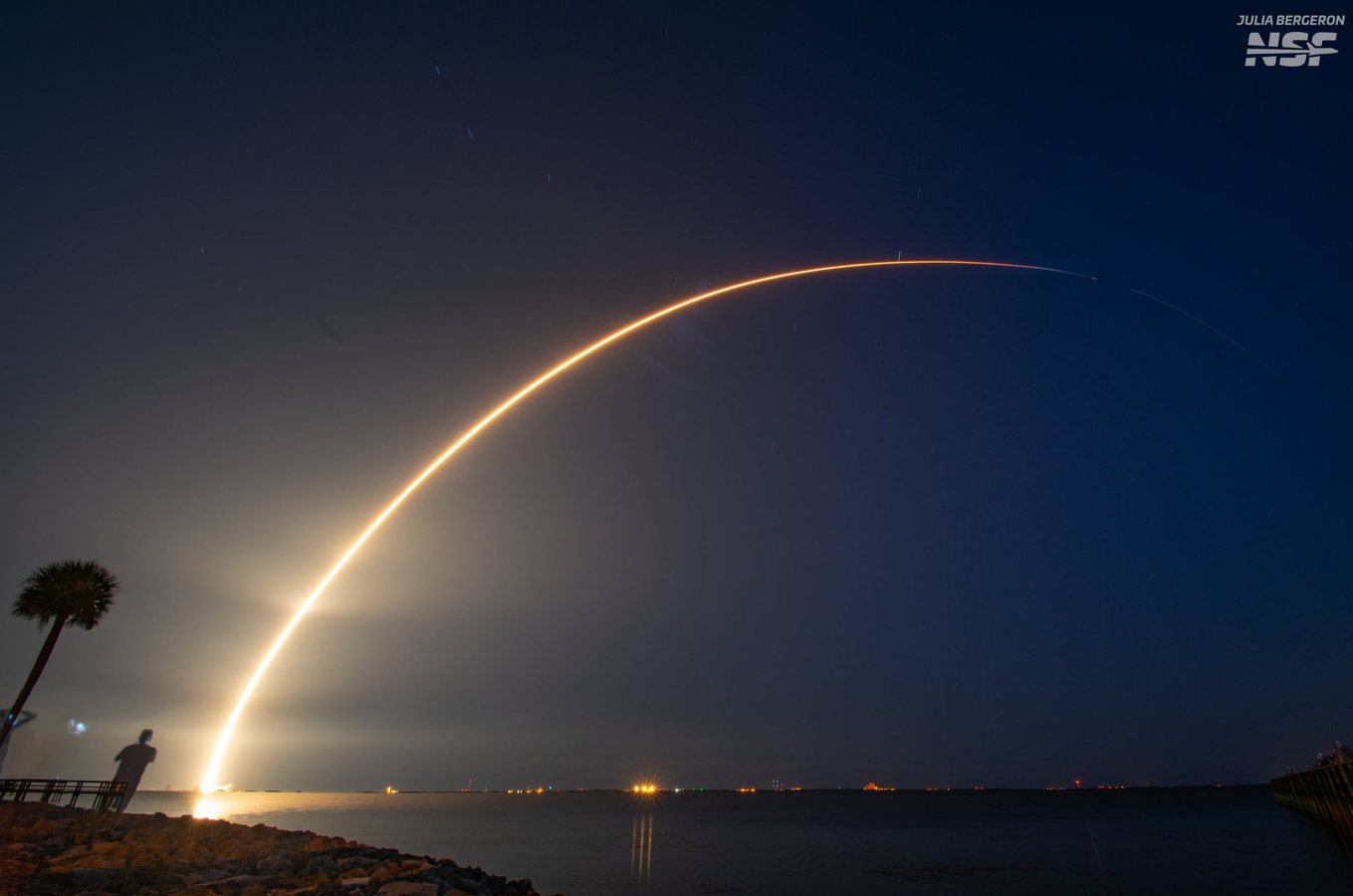
The first Falcon 9 mission, Starlink Group 15-16, is scheduled to lift off from Space Launch Complex 4 East at Vandenberg Space Force Base in California. The flight was originally set for Oct. 23 but slipped because of delays in launching Starlink Group 15-15 from the same pad. The current launch time is 10:46 PM PDT on Monday, Oct. 26, which is 05:46 UTC on Oct. 27, with the window extending until 1:45 AM PDT on Oct. 27. The rocket will fly on a southeasterly trajectory and deliver 27 Starlink v2 Mini satellites to low-Earth orbit. Booster B1082 will support the mission on its 26th flight, and it is set to land on the droneship Of Course I Still Love You after stage separation. The mission will also mark Falcon 9's 700th flight overall.
A second Falcon 9 Starlink flight, Group 15-18, will also launch from Space Launch Complex 4 East. The window opens at 9:02 PM PDT on Thursday, Oct. 29, which is 4:02 UTC on Oct. 30, and runs until 1:02 AM on Friday, Oct. 30. The rocket will carry another 27 Starlink v2 Mini satellites for the constellation's Group 15 orbital shell. Booster B1093 will fly for the 18th time and is set to land downrange on Of Course I Still Love You. The booster has previously supported Tranche 1 Layer B and C missions, Transporter 16, and 14 Starlink flights.
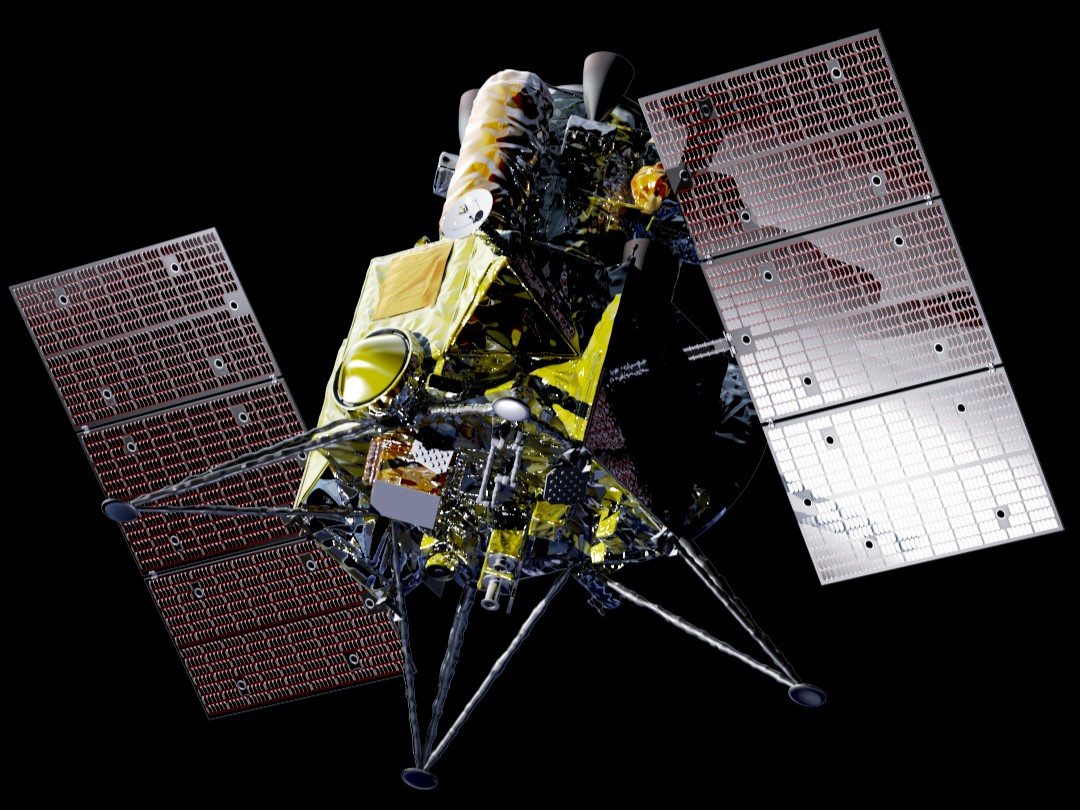
India's launch is scheduled for Friday, Oct. 30, when the Indian Space Research Organisation plans to send the NVS-03 mission to geostationary transfer orbit. The rocket will lift off from the Second Launch Pad at the Satish Dhawan Space Centre, with the window opening at 17:00 UTC and closing at 21:00 UTC. The target launch time is 18:21 UTC. NVS-03, also known as IRNSS-1L, is a navigation satellite built in India that uses the L1, L5 and S-bands. Unlike other global positioning systems, it will serve only the Indian subcontinent. The satellite is bound for the 32.5 degrees East slot in geostationary orbit and has an expected lifespan of 10 years.
The launcher is the Geostationary Launch Vehicle Mark II, developed and operated by ISRO. The three-stage vehicle can place 2,500 kilograms into geostationary transfer orbit. Its first stage uses a solid-fueled motor surrounded by four hypergolic liquid-fueled boosters, its second stage is also powered by hypergolic propellants, and its third stage is cryogenic, using the CE-7.5 engine burning liquid hydrogen and liquid oxygen. The mission will be ISRO's third launch attempt of 2026 and its 104th overall.
The week closes with the USSF-432 mission for the U.S. Space Force. Falcon 9 is scheduled to lift off from Space Launch Complex 4 East on Sunday, Nov. 1, at 5:56 PM PST, which is 01:56 UTC on Nov. 2, with a four-hour window extending to 9:56 PM PST. The rocket will fly a southeastern trajectory to deploy a classified satellite into low-Earth orbit. Booster B1095 will fly for the eighth time, having previously supported the GPS III SV10 mission and six Starlink flights, and will land downrange on Of Course I Still Love You. The launch will be the 119th Falcon 9 mission of 2026 and the 255th orbital launch attempt worldwide this year.
15