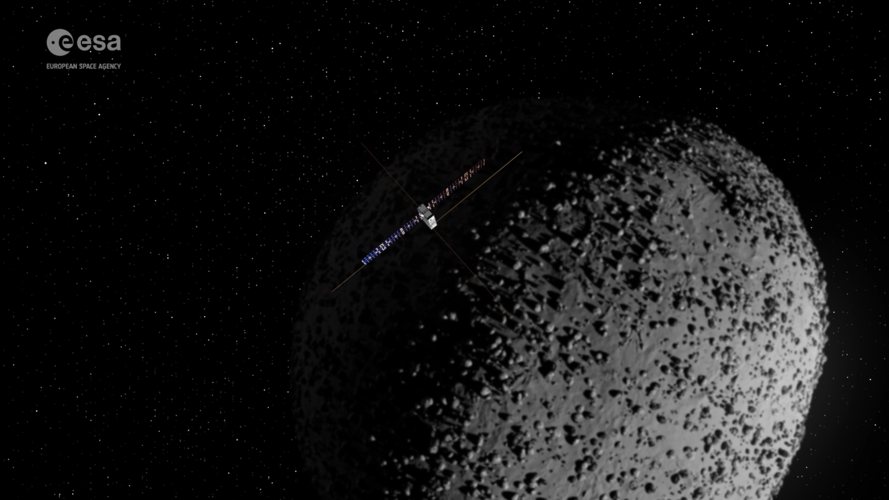
NASA Administrator Jared Isaacman has said the agency should not allow the Hubble Space Telescope to make an uncontrolled reentry, and that any publicly funded mission to the aging observatory should aim to extend its scientific output. His remarks come as NASA works through a Request for Information seeking commercial options for a reboost, servicing or controlled deorbit of the telescope.
The RFI remains open through the end of November. Hubble is currently operating on a reduced set of gyroscopes more than 16 years after its final Space Shuttle servicing mission. Speaking to NSF during the Flame Trench show, Isaacman said that the uncontrolled reentry option is not acceptable. "Hubble, you can't let it have an uncontrolled re-entry. That would not be the right thing to do. If you're going to spend money to go up there and do something, you might as well boost it, get as much science as you possibly can out of it."
Isaacman said earlier commercial concepts had been considered in the past. He pointed to his own Polaris Program proposal, which NASA studied and ultimately did not pursue in 2024. "I certainly, you know, had various ideas of how it could have been addressed years ago," he said. "NASA was very involved in that." He argued that the calculation has since changed, because commercial capture and servicing capabilities have matured.
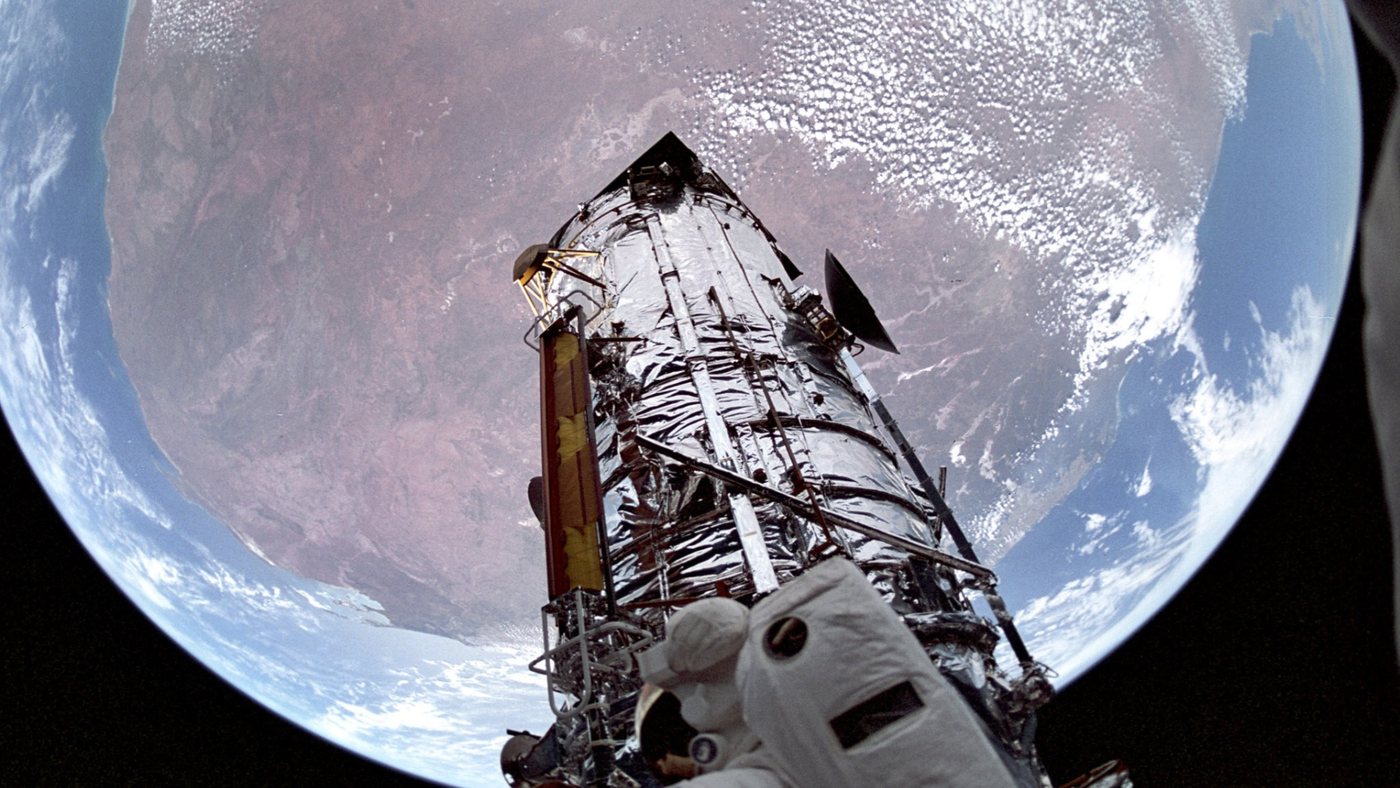
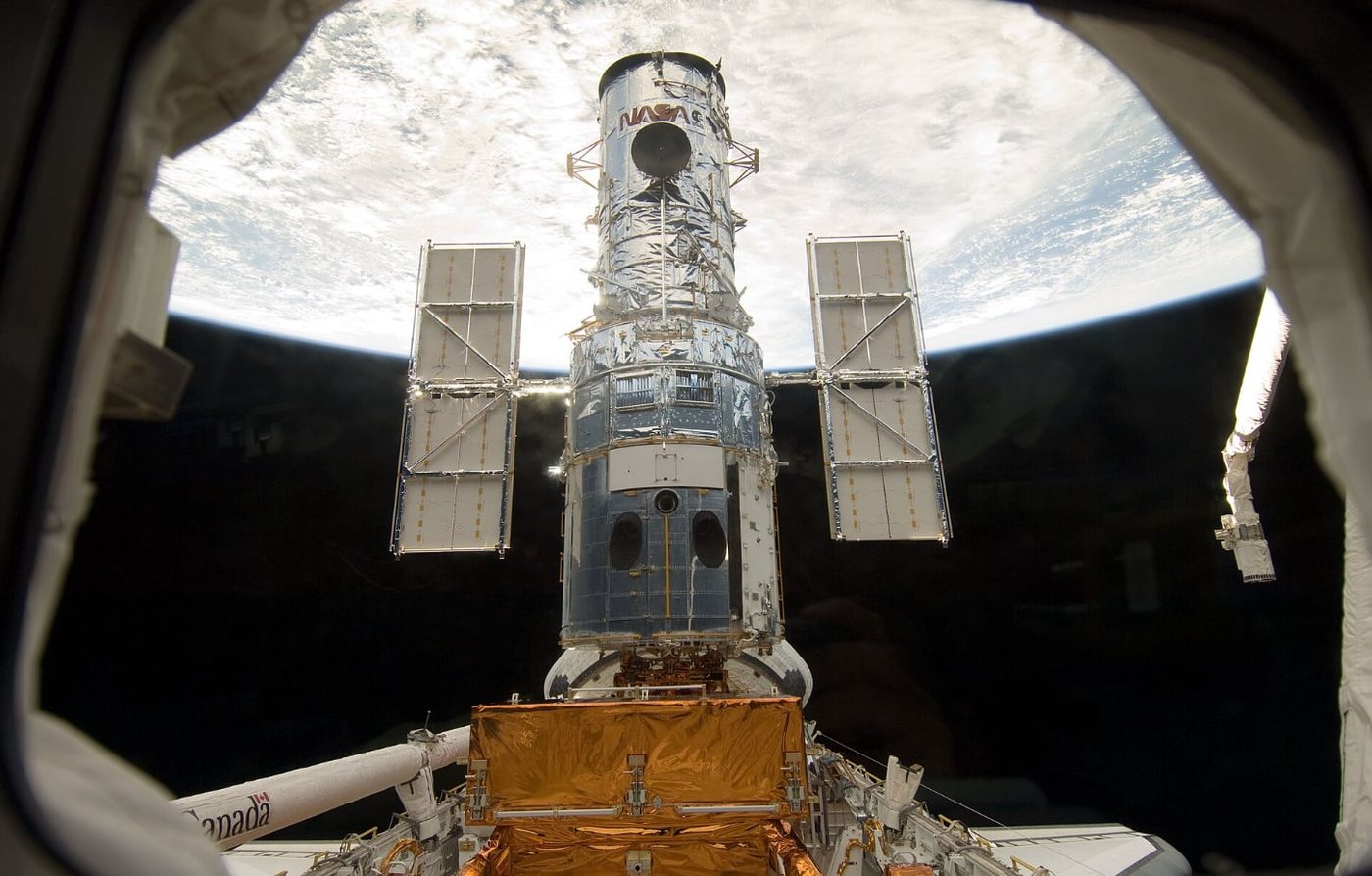
Hubble was launched on STS-31 in April 1990 aboard Space Shuttle Discovery. Five subsequent Space Shuttle servicing missions repaired and upgraded the telescope. The final one, STS-125, also known as Servicing Mission 4, was flown by Atlantis in May 2009. That mission installed the Wide Field Camera 3 and Cosmic Origins Spectrograph, replaced gyroscopes and batteries, and added a soft-capture mechanism. Because Hubble's orbit offered no safe haven at the International Space Station, Endeavour stood ready on the adjacent pad as the STS-400 Launch On Need rescue mission throughout the flight.
The hardware installed in 2009 is now aging. Hubble currently has two functional gyroscopes out of six and has shifted to single-gyro mode. That change has reduced available observation time by roughly 12 percent and limits the telescope's ability to track certain targets, though the observatory continues to fill a unique role in optical and ultraviolet astronomy. Demand for observing time remains high, and astronomers continue to compete for every available orbit.
Hubble has no propulsion system of its own, and atmospheric drag is expected to bring it down in the 2033–2034 timeframe without intervention. The soft-capture mechanism installed on STS-125 was intended to support a future robotic or crewed deorbit, though no such mission has been baselined.
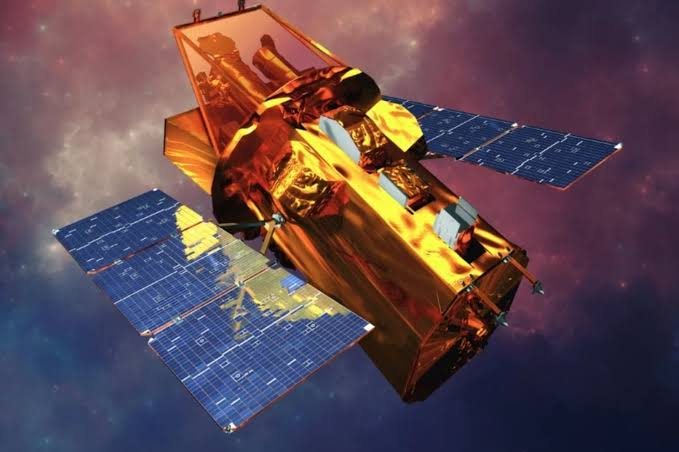
Isaacman also cited NASA's recent attempt to reboost the Swift telescope as useful operational experience, even though that effort did not succeed. "That was absolutely a risk worth taking," he said. "They learned from that. NASA learned from that, too. I'm sure that better equips them and others to potentially do it."
Looking further ahead, Isaacman did not rule out recovering Hubble for display in the future. "I wouldn't rule out the possibility that well into the future somebody could go and get it and bring it back and put it in a museum. I think that would be one of the greatest artifacts in the Smithsonian."
For now, the RFI seeks input on three paths: a reboost to delay reentry, a servicing mission that could restore or expand capabilities, or a controlled end-of-life disposal. Responses are due by the end of the month.
Source: nasaspaceflight.com
16