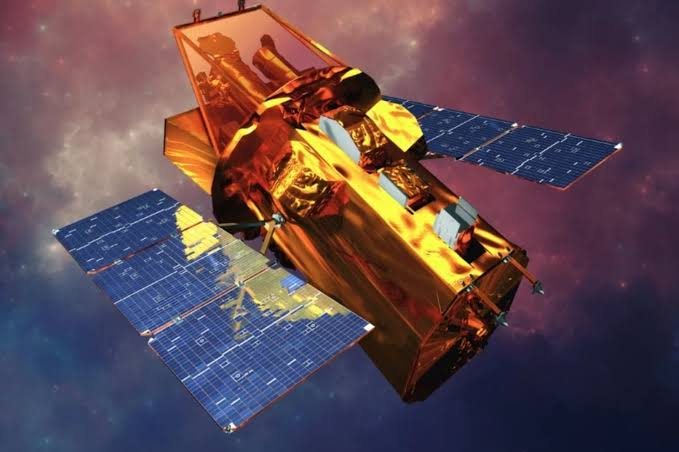
NASA's aging Swift observatory is in its final days in orbit and is expected to plunge back toward Earth on Friday or around that date, according to the U.S. Space Force. The spacecraft's fate follows a failed attempt to rescue it, leaving the agency and its science team to mark the end of a mission that ran for more than two decades.
Most of the observatory is expected to burn up as it enters the atmosphere. Some components made of tungsten, a material denser than lead, along with parts of the mirror, could survive re-entry, said Brad Cenko, the mission's chief scientist at NASA. Any surviving fragments are expected to fall into the ocean, but parts of Africa, Australia, India, Southeast Asia, Central America and South America lie within the possible re-entry path. The Space Force is tracking the telescope's orbit, and the Swift team said it regrets the end of the mission while also highlighting the scientific results gathered during its 22 years in orbit.
Swift launched on November 20, 2004, with the goal of detecting some of the most powerful explosions in the universe, including gamma-ray bursts and supernovae. During its mission it recorded more than 2,000 gamma-ray bursts and 1,400 exploding stars, and it also observed comets, asteroids and black holes. NASA regarded the observatory as an important alert system for other space telescopes, including Hubble and James Webb, which could redirect their instruments toward phenomena Swift detected for more detailed study.
John Nousek of Pennsylvania State University, one of the mission's operations leaders, said the telescope's return to Earth had been anticipated since before its launch. Intense solar activity in recent years accelerated the spacecraft's descent. Nousek's explanation places the decay within the mission's original planning rather than treating it as a sudden failure.
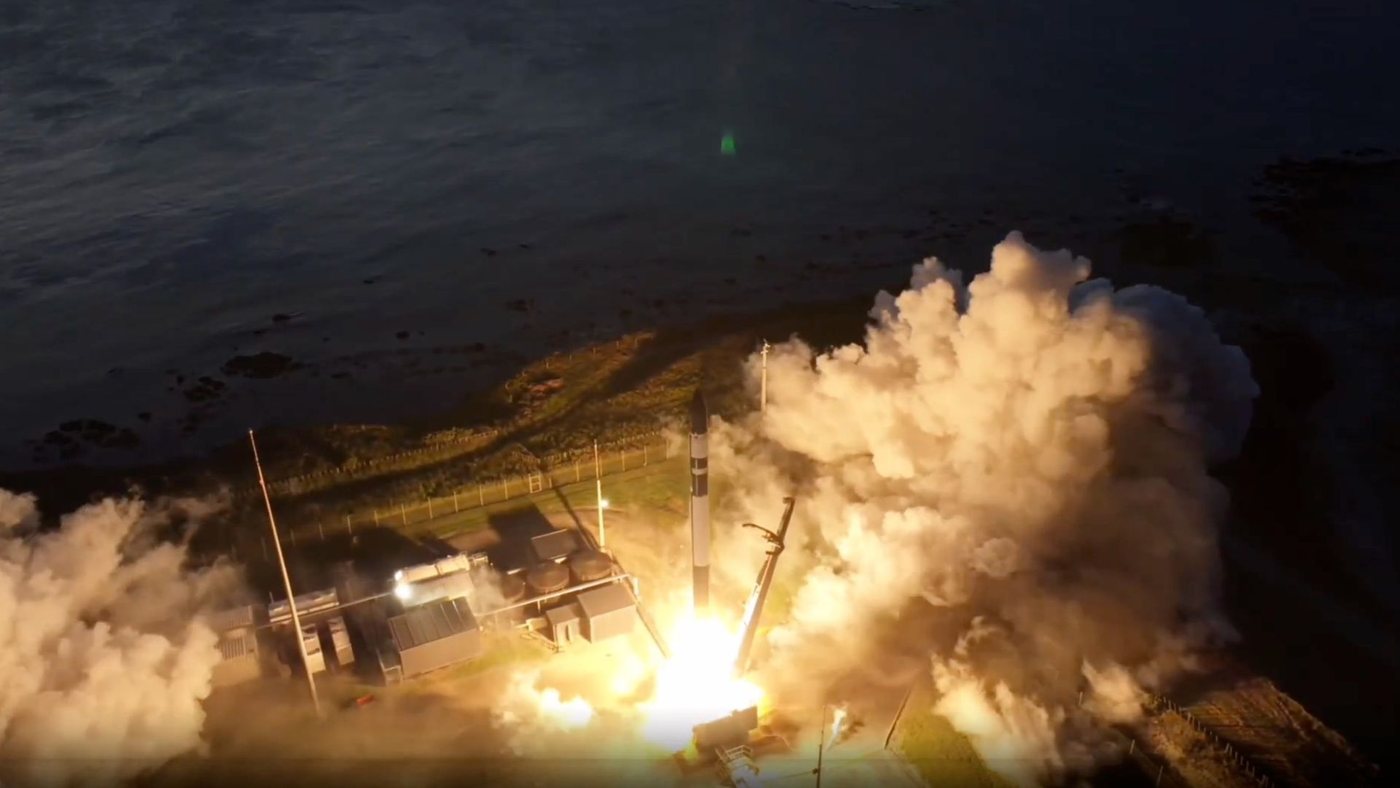
NASA had hired Katalyst Space a year earlier to attempt a rescue. The company's three-armed robot, named Link, launched in July and ran into problems, and it could not get closer than 12 to 15 kilometers to the telescope. The robot itself re-entered Earth's atmosphere in September, so the mission ended without any spacecraft reaching Swift.
After the rescue was called off, Swift resumed observations and detected new gamma-ray bursts and other energetic events. By late October, however, its orbit had become too low to continue operating, and its systems were shut down. Scientists are now working to determine how to fill the gap the observatory will leave and to build on what more than two decades of observations have revealed.
Source: ntelemicro.com
14