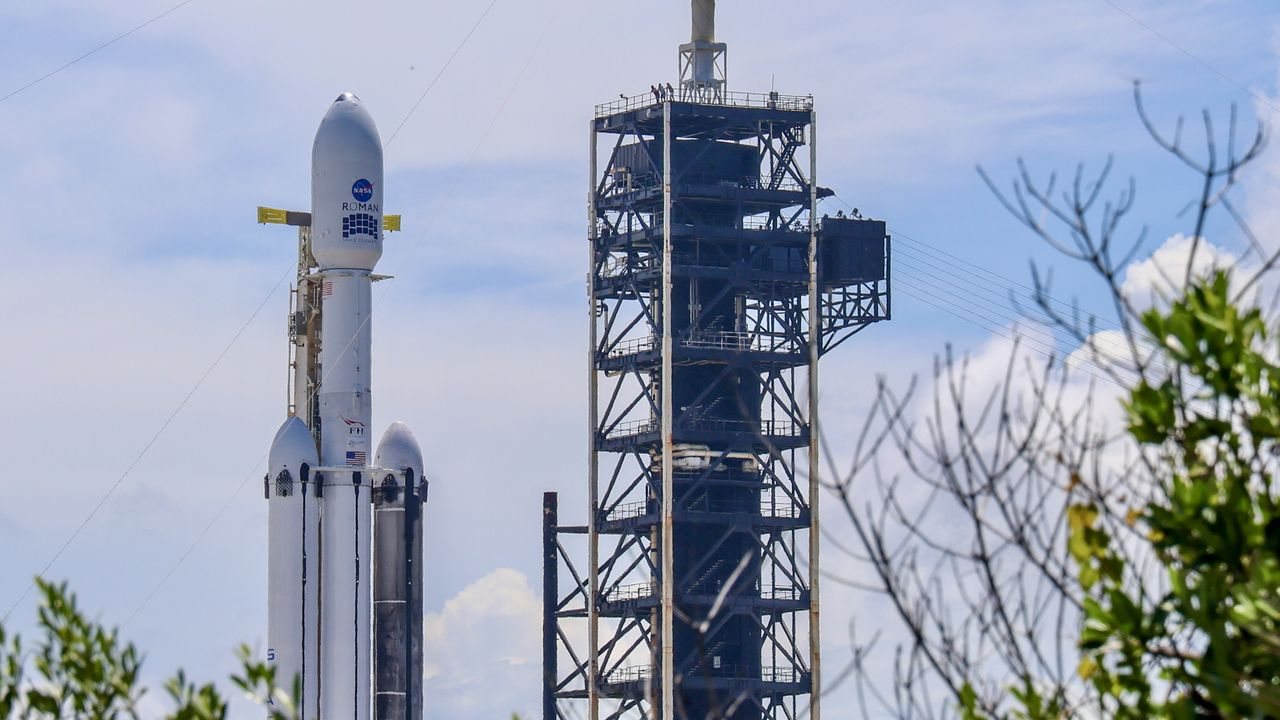
NASA's Nancy Grace Roman Space Telescope is ready for launch, with the agency confirming that the observatory will ride into orbit aboard a SpaceX Falcon Heavy rocket. The mission, named after NASA's first chief astronomer, is designed to tackle some of the deepest questions in modern astrophysics, including the nature of dark energy, the prevalence of exoplanets, and the structure of the Milky Way.
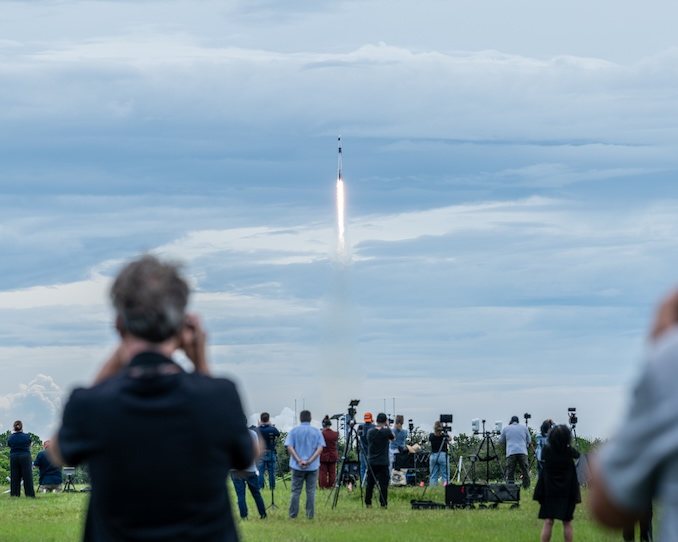
The telescope has completed its assembly and testing phases, and NASA has now cleared it for integration with the launch vehicle. The Falcon Heavy, one of the most powerful operational rockets in the world, will carry the observatory to a vantage point far beyond Earth's immediate vicinity, where it will begin a multi-year survey of the infrared sky. This launch configuration marks a significant logistical milestone, as the telescope's size and mass require the heavy-lift capability that only a few vehicles can provide.
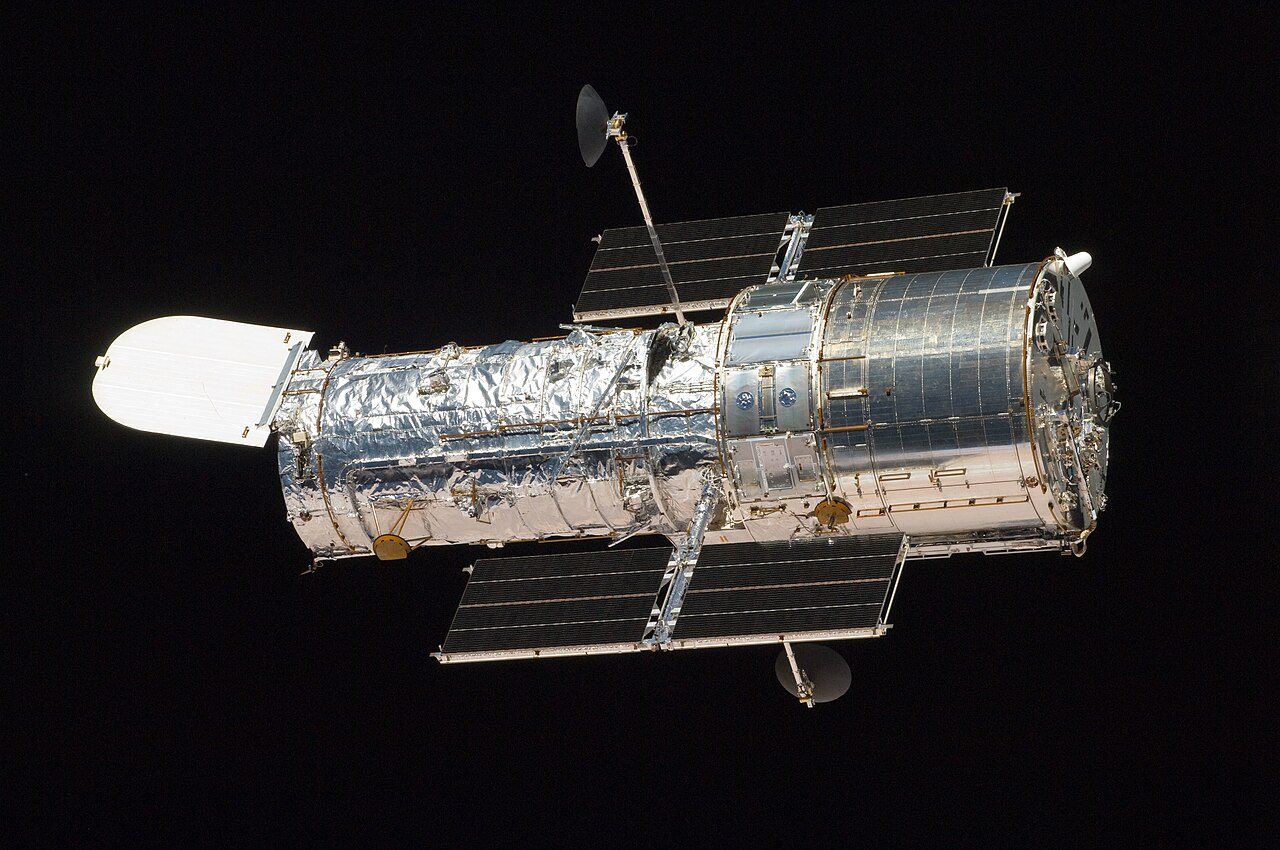
Roman is often described as a sibling to the James Webb Space Telescope, but its design and scientific goals are distinct. While Webb focuses on deep, narrow-field observations of the early universe, Roman is built for wide-field surveys, capturing large swaths of the sky in a single image. This capability will allow scientists to map the distribution of dark matter, measure the expansion history of the universe, and detect thousands of exoplanets using microlensing techniques. The telescope's 2.4-meter primary mirror, the same size as Hubble's, is paired with a 300-megapixel infrared camera that gives it an exceptionally large field of view.
The mission's primary science objectives include probing the nature of dark energy, the mysterious force thought to drive the accelerating expansion of the universe. By observing billions of galaxies and measuring their distances and velocities, Roman will help astronomers determine whether dark energy is constant or changes over time. The telescope will also conduct a microlensing survey to find exoplanets, including small rocky worlds that are difficult to detect with other methods. Additionally, Roman will study the structure of the Milky Way and other galaxies, providing data on stellar populations and the distribution of matter.
NASA has not yet announced a specific launch date, but the agency has stated that the telescope is on track for its planned launch window. The integration process with the Falcon Heavy will proceed over the coming weeks, followed by final checks and fueling. Once in space, Roman will travel to the Sun-Earth L2 Lagrange point, a stable gravitational location about 1.5 million kilometers from Earth, where it will operate alongside Webb and other observatories.
The Roman mission represents a major investment in space-based astrophysics, with a total cost estimated in the billions of dollars. It is expected to produce a vast archive of data that will be publicly available to the scientific community, enabling research for decades after the mission's primary phase concludes. The telescope's wide-field capabilities are also expected to complement future observatories, including ground-based facilities like the Vera C. Rubin Observatory, which will survey the sky in visible light while Roman covers the infrared.
For the broader scientific community, Roman's launch will mark the beginning of a new era in survey astronomy. Its ability to image large areas of the sky quickly and with high sensitivity will address questions that require statistical samples of millions of objects, from the largest structures in the universe to the smallest planets beyond our solar system. The mission is a collaborative effort involving NASA, the European Space Agency, and several research institutions, with significant contributions from industry partners.
As the launch date approaches, engineers will continue to verify all systems, including the telescope's optics, detectors, and thermal controls. The Falcon Heavy's proven flight record, combined with Roman's rigorous testing, gives NASA confidence in a successful deployment. Once operational, Roman is expected to deliver its first images within months of reaching orbit, offering an early glimpse of the deep and wide universe it was built to explore.
133