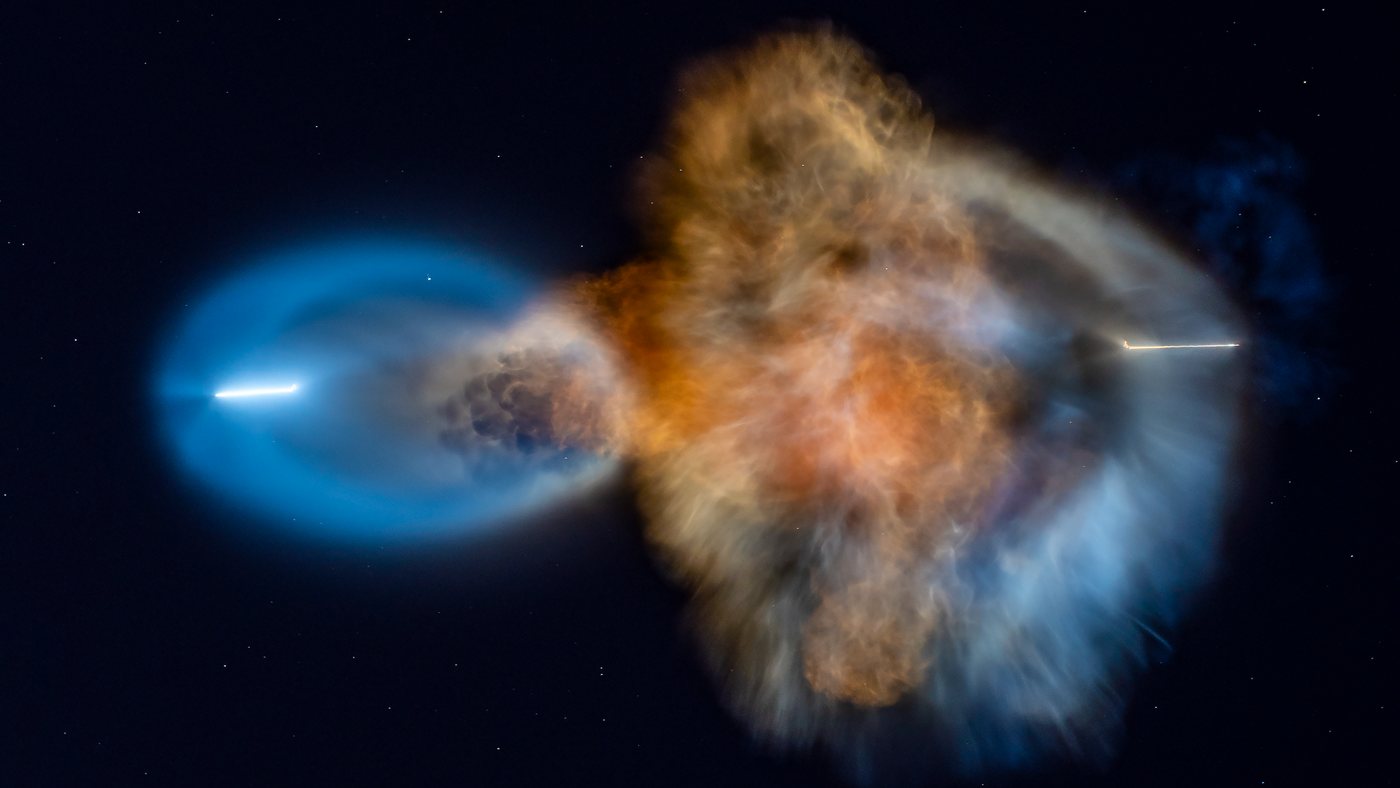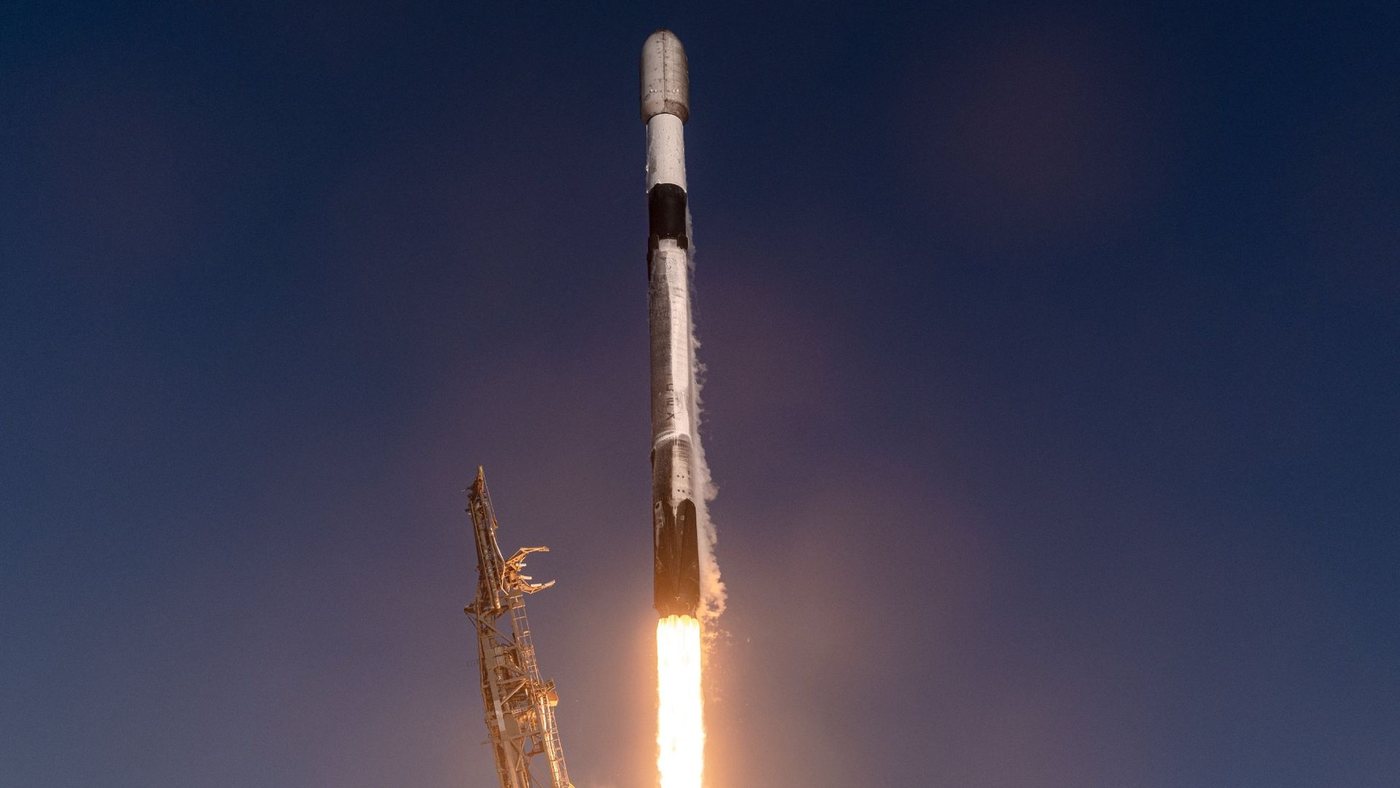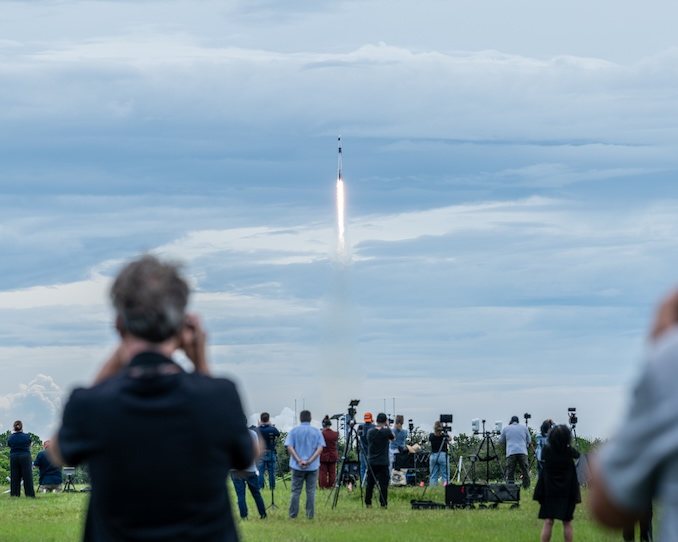
A SpaceX Falcon 9 rocket lifted off from Space Launch Complex 40 at Cape Canaveral Space Force Station on October 1, 2026, carrying four astronauts bound for the International Space Station. The Crew-13 mission, part of NASA's commercial crew program, launched at 11:10 a.m. EDT after a delay from mid-September to replace a leaking valve in the Crew Dragon capsule's propulsion system.
Strapped inside the Crew Dragon spacecraft were commander Jessica Watkins, pilot Luke Delaney, Russian cosmonaut Sergey Teteryatnikov, and Canadian Space Agency astronaut Joshua Kutryk. Watkins, who holds a Ph.D. in geology, previously flew to space aboard a Crew Dragon in 2022. Her three crewmates are space rookies, becoming the 296th, 297th, and 298th astronauts to fly aboard the station. Delaney and Kutryk are former military test pilots, while Teteryatnikov served in the Russian submarine force before becoming a cosmonaut.
The launch was timed precisely for the moment Earth's rotation carried the pad into the plane of the station's orbit, a requirement for rendezvous missions since no current rocket has the power to change its direction of travel while moving at nearly five miles per second. After stage separation, the Falcon 9's first stage returned to a pinpoint landing at Landing Zone 40. The Crew Dragon capsule then separated from the upper stage to fly on its own. «What an epic ride!» Delaney radioed after the capsule separated. «Today, we proudly continue the streak of humans living and working in orbit, building on the legacies of yesterday to pave the way for future of space exploration.»
The Crew Dragon will take just eight hours to catch up with the space station — a NASA record — moving in for an automated docking at the forward port of the station's Harmony module at 7 p.m. While a Falcon 9 cannot change orbital planes, the Crew Dragon can adjust its altitude, flying lower and faster to catch up with the station and higher to slow its approach.
For Kutryk, the mission carries a personal dimension. He and his wife Heather have two children, ages 5 and 7, and are expecting their third child around Thanksgiving, about two months into the six-month mission. That will make them the fourth couple in space history to have a child born while one parent is off the planet. «Leaving these three (plus one on the way) is the hardest thing I've ever done,» Kutryk wrote in a post on the social media platform X. «But that has always been the nature of exploration.» He quoted Norwegian arctic explorer Fridtjof Nansen, who described his thoughts upon setting off for the North Pole: «Behind me lay all I held dear in life. And what lay before me? Happy child, little do you know what life is — how strangely mingled and how full of change… and now, a farewell to home. It was the darkest hour of the whole journey.»
Kutryk is the 17th Canadian to fly in space. Despite recent political tensions between the United States and Canada, the Canadian Space Agency continues to play a major role in the U.S. space program, supplying the robotic arms that helped build the space station. CSA astronaut Jeremy Hansen recently flew around the moon on NASA's Artemis II mission. «When I think about the space station, I hope the legacy is that people see this beacon in the sky going around Earth, one of the most complex things humans have ever, ever created,» Kutryk said. «But I hope they also see it as sort of this beacon for what we can do when we make good decisions, when we work together and we collaborate and we prioritize things.»
Watkins said she is looking forward to returning to the station and flying on Dragon for a second time. «We expect a very busy mission with lots of station maintenance, both internal and external, with a few EVAs on the docket as well as visiting vehicle capture and stowage operations,» she said. The crew will spend approximately six months aboard the orbiting laboratory, continuing the uninterrupted human presence in space that has lasted more than two decades.
72