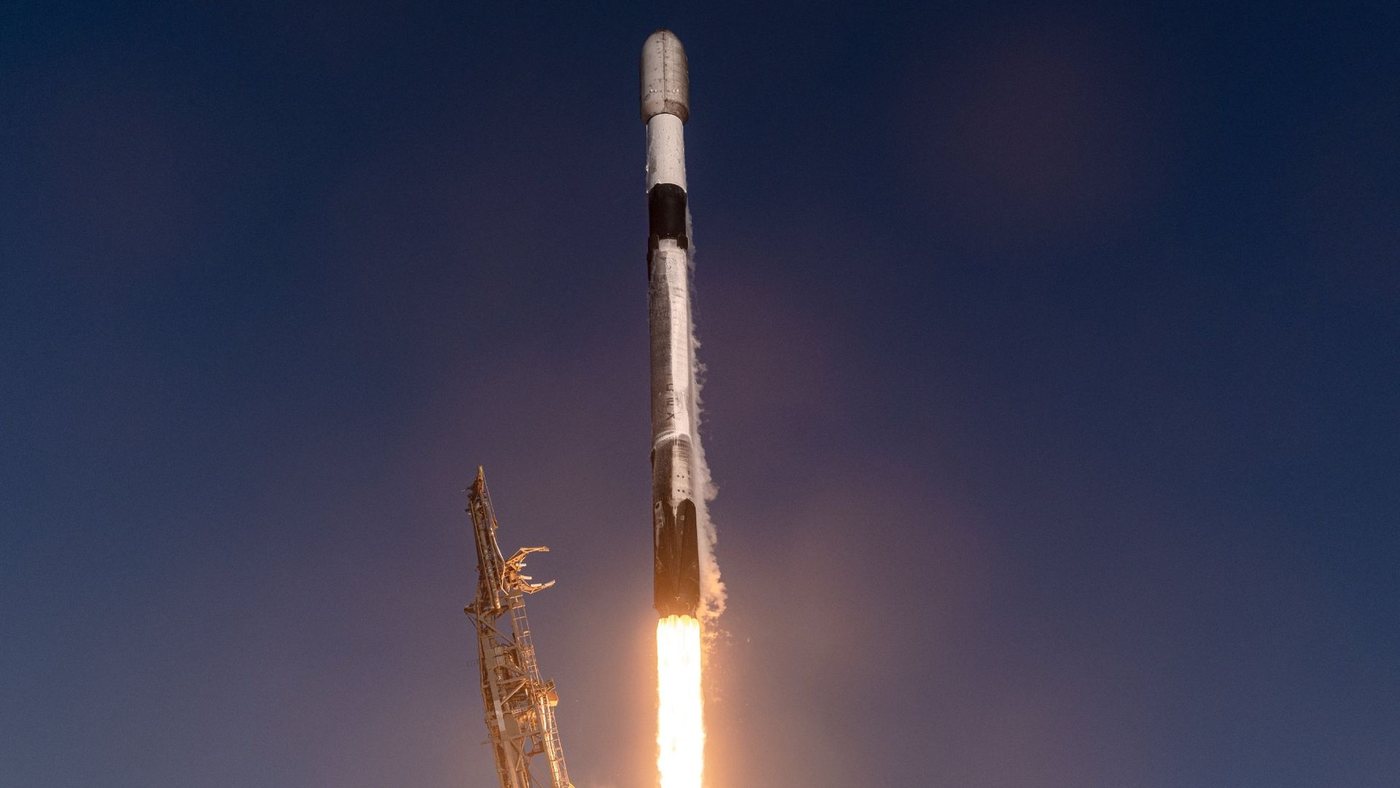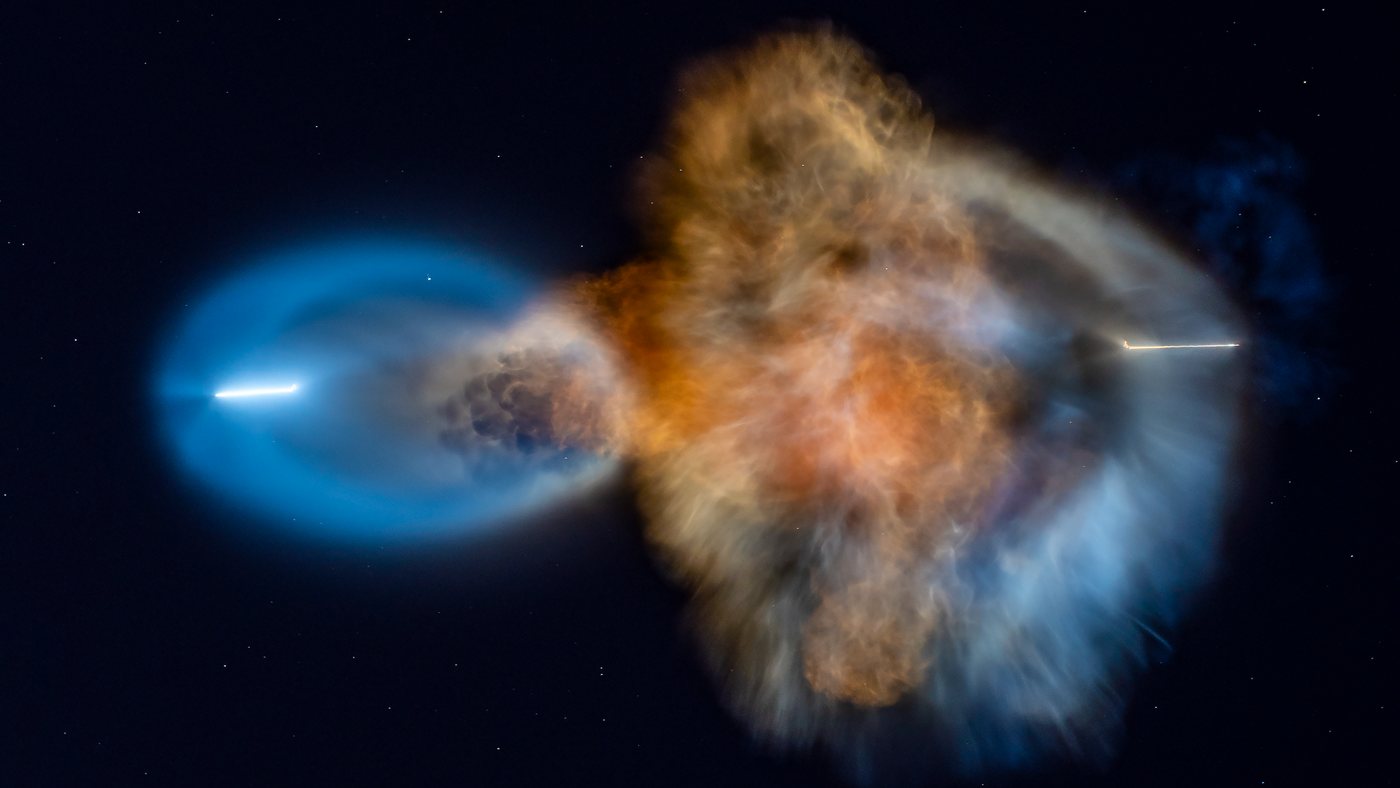
A SpaceX Falcon 9 rocket launched from Florida early Tuesday, producing a spectacular luminous «jellyfish cloud» that spread for miles across the pre-dawn sky and was visible along the US east coast. The phenomenon, caused by sunlight reflecting off crystallized exhaust particles, delighted skywatchers and was captured in images and video shared by NASA and observers.
The rocket lifted off at 6:33 a.m. ET carrying cargo to the International Space Station. Shortly after launch, the expanding plume of fuel exhaust crystallized in the cold upper atmosphere, and the rising sun illuminated the frozen particles, creating the glowing, jellyfish-like shape that appeared to spread outward from the horizon.
The effect, sometimes called a «space jellyfish,» occurs when a rocket launches near sunrise or sunset. The exhaust plume is high enough to be lit by the sun while the ground below remains in darkness, making the crystallized particles appear as a bright, expanding cloud against the darker sky. The phenomenon is not unique to this launch, but the timing and clear conditions made it particularly striking.
NASA described the display as a glowing jellyfish-like cloud created by the sun illuminating the rocket's exhaust plume. Observers along the east coast reported seeing the formation, and video footage showed the cloud expanding and drifting after the launch.
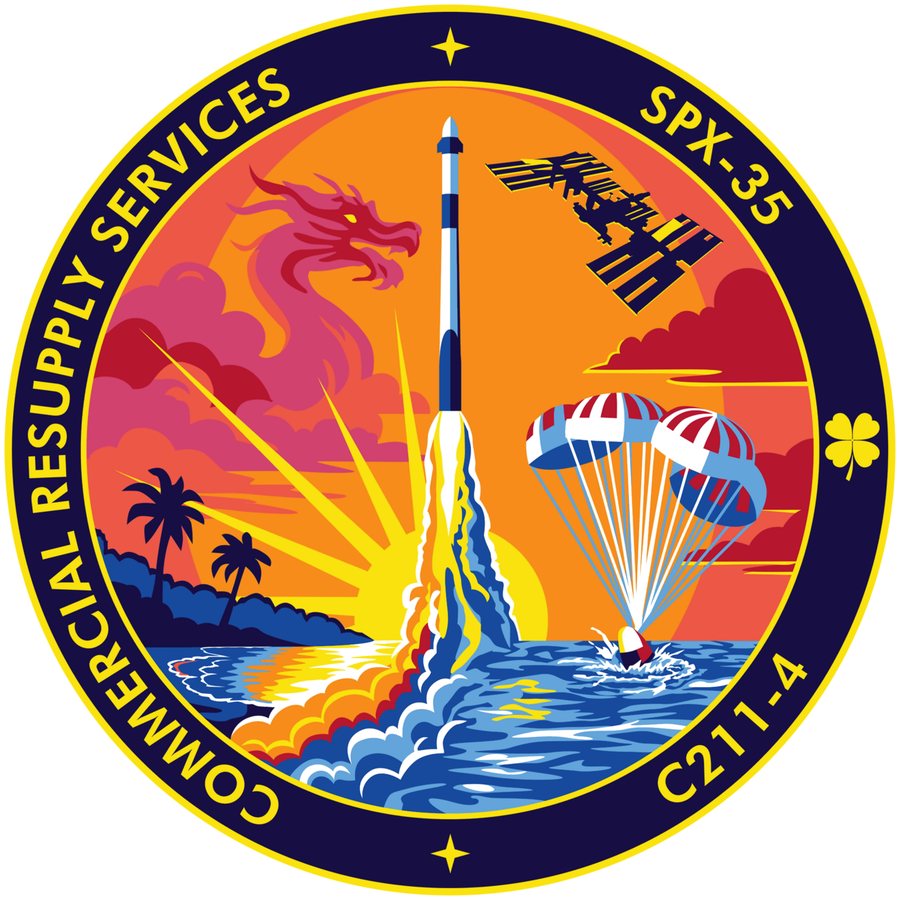
The Falcon 9 was carrying cargo to the International Space Station, a routine resupply mission that supports ongoing scientific research and operations aboard the orbiting laboratory. The launch was the latest in a series of SpaceX missions from Florida, which have become frequent sights for residents and visitors along the Space Coast.
The «jellyfish» effect has been observed after previous launches, including other Falcon 9 missions, and has become a popular spectacle for photographers and casual observers alike. The combination of a pre-dawn launch and clear skies provided ideal conditions for the display, which was visible across a wide area.
SpaceX has not commented specifically on the visual phenomenon, but the company regularly launches from Florida's Space Coast, and such displays have become a familiar, if still awe-inspiring, sight for those in the region. The mission itself proceeded as planned, with the rocket's payload headed for the space station.
The event highlights the intersection of human spaceflight and natural atmospheric optics, turning a routine cargo run into a memorable skywatching moment for many along the eastern seaboard. The launch and its aftermath were documented in photos and videos, adding to a growing collection of similar images from past missions.
14