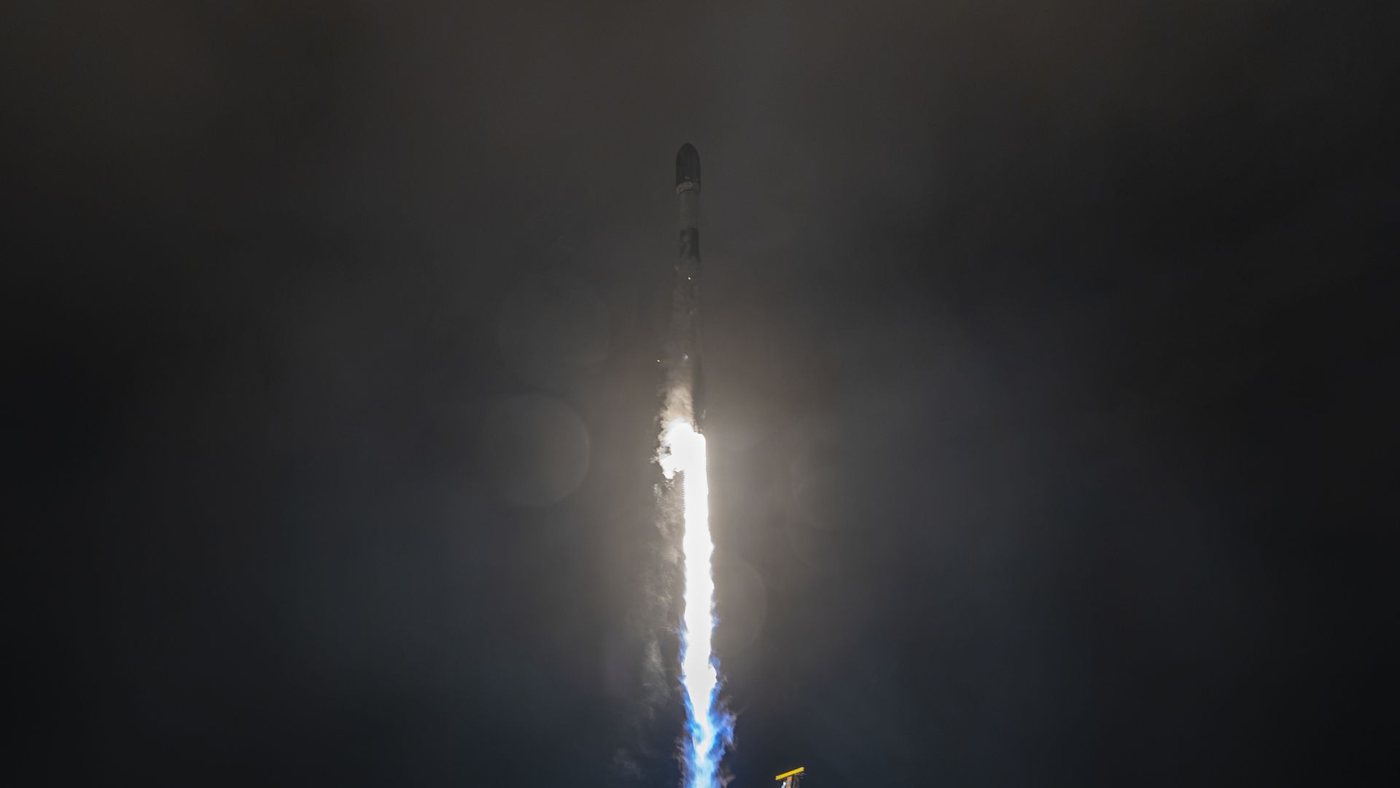
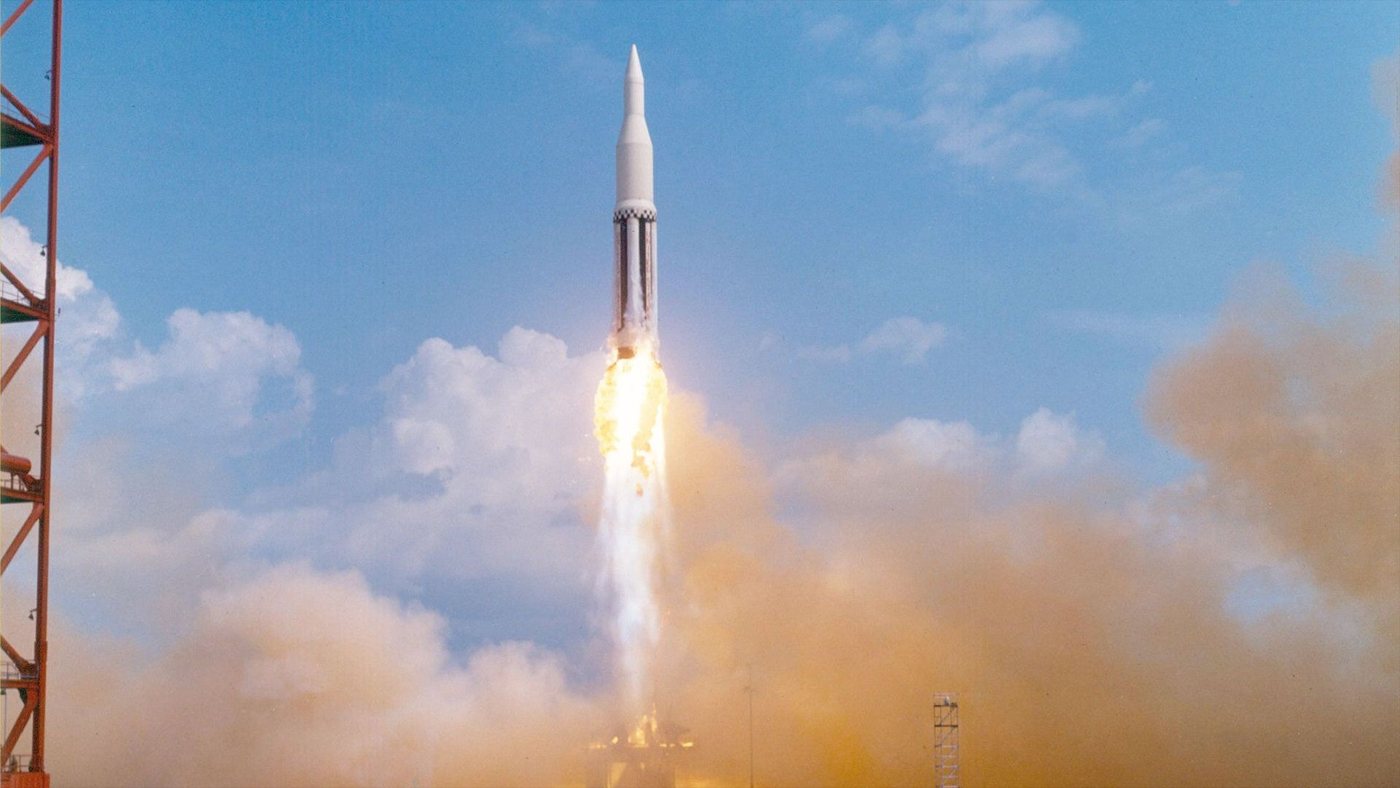
NASA's Swift observatory, a space telescope that spent 22 years studying some of the most energetic explosions in the universe, has ended its mission and will fall back into Earth's atmosphere within weeks. A failed rescue mission means the spacecraft cannot be saved, but the data it collected will remain available for researchers to study for years to come.
Swift was built to detect gamma-ray bursts, brief and extremely powerful flashes of high-energy light linked to some of the most violent events in the cosmos, including the collapse of massive stars and collisions between dense objects such as neutron stars. Over more than two decades, the observatory helped astronomers track these fleeting events and rapidly alert other telescopes around the world so they could observe the aftermath while it was still visible.
The loss of the spacecraft is being felt across the astronomy community. Researchers have described their sense of mourning for an instrument that has been a workhorse of high-energy astrophysics since its launch. Its end removes a long-running tool for rapid response to transient cosmic events, even as its accumulated archive gives scientists a large body of observations to analyze. The archive is widely seen as one of the observatory's most lasting contributions, because many of the questions Swift helped open will take years of careful reanalysis to answer.
The failed rescue attempt was the decisive factor in the mission's end. Once it became clear that the spacecraft could not be recovered, the operators moved toward the planned descent. The Swift observatory is expected to fall into Earth's atmosphere, with most of the spacecraft burning up during re-entry, and the timing of the descent is expected within the next several weeks.
The episode also arrives at a time of renewed activity in NASA's human spaceflight program. The agency's Artemis III mission is intended to help test crucial systems needed for the planned Artemis IV Moon landing in 2028, part of the broader effort to return astronauts to the lunar surface. Swift's exit, by contrast, is a reminder that a fleet of scientific spacecraft must be retired on schedule even as larger missions advance.
12