A robotic spacecraft sent to rescue a decaying NASA space observatory has returned to Earth after a failed mission, leaving the telescope to face its own destruction in the coming weeks. The spacecraft, named Link and described as «America's first commercial space robot», plunged back into the atmosphere on Friday, according to mission officials.
Link lifted off on 3 July from Kwajalein Atoll in the South Pacific with the goal of lifting the orbit of the Neil Gehrels Swift Observatory, a satellite that has studied gamma-ray bursts and other cosmic phenomena for 22 years. The mission aimed to extend the observatory's operational life by raising its altitude, but a series of in-flight problems prevented the spacecraft from completing the salvage operation.
The Swift Observatory, launched in 2004, has been a workhorse for astronomers studying the most energetic explosions in the universe. It was designed to quickly detect and observe gamma-ray bursts, which are among the most powerful events in the cosmos, and has contributed to thousands of scientific papers. Without a successful orbit boost, the satellite will gradually descend and burn up in Earth's atmosphere, a fate expected within several weeks.
The failure of the Link mission highlights the challenges of commercial space servicing, a nascent industry that aims to extend the lives of satellites and reduce orbital debris. While the mission did not achieve its primary objective, it may provide valuable data for future servicing attempts. The spacecraft's re-entry was not expected to pose any danger to people on the ground.
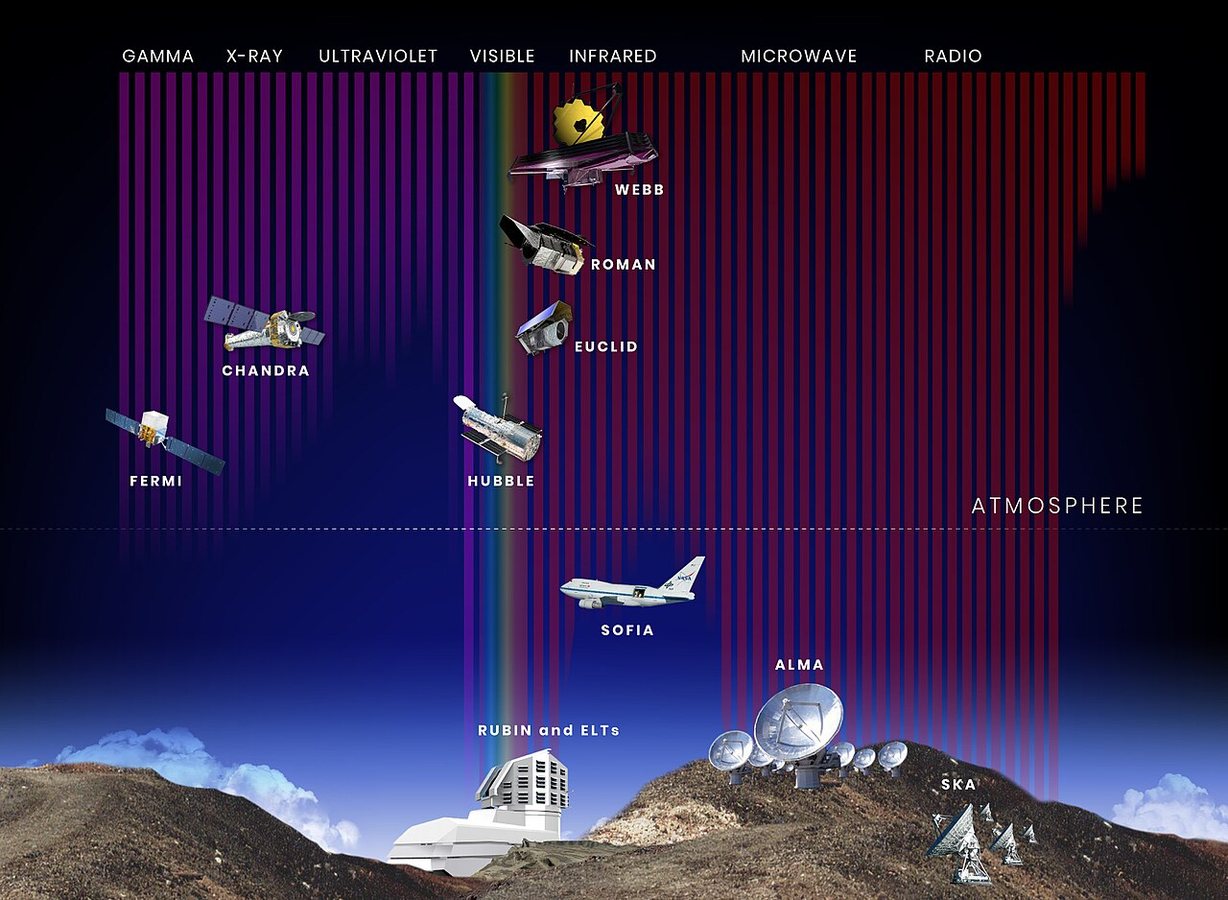
NASA has not yet announced whether it will attempt another rescue mission for Swift or other ageing observatories. The agency continues to operate a fleet of space telescopes, including the James Webb Space Telescope and the Hubble Space Telescope, and is developing new missions to study the universe in different wavelengths.
The loss of Swift will leave a gap in the global network of gamma-ray burst monitors, though other instruments, such as the Fermi Gamma-ray Space Telescope, will continue to observe these events. Astronomers have relied on Swift's rapid response capabilities to study the afterglows of gamma-ray bursts across the electromagnetic spectrum, from X-rays to optical light.
The Link mission was developed by a commercial company under a NASA contract, part of a broader effort to foster private-sector involvement in space operations. The spacecraft was designed to rendezvous with Swift, attach to it, and fire thrusters to raise its orbit. However, technical difficulties arose shortly after launch, and the mission team was unable to overcome them.
As Swift spirals toward its end, the scientific community is reflecting on its legacy. The observatory has been instrumental in advancing our understanding of black holes, neutron stars, and the violent processes that shape the universe. Its eventual demise marks the end of an era in space-based gamma-ray astronomy, even as new missions prepare to take up the mantle.
12