NASA has tested a guidance and navigation system designed to help spacecraft pick safe places to land on the Moon and Mars, and the early results are encouraging. The agency's SPLICE payload, short for Safe and Precise Landing Integrated Capabilities Evolution, was developed by NASA's Johnson Space Center in Houston. Its job is to spot terrain hazards during descent and steer the vehicle toward a safer spot when the planned site is not suitable.
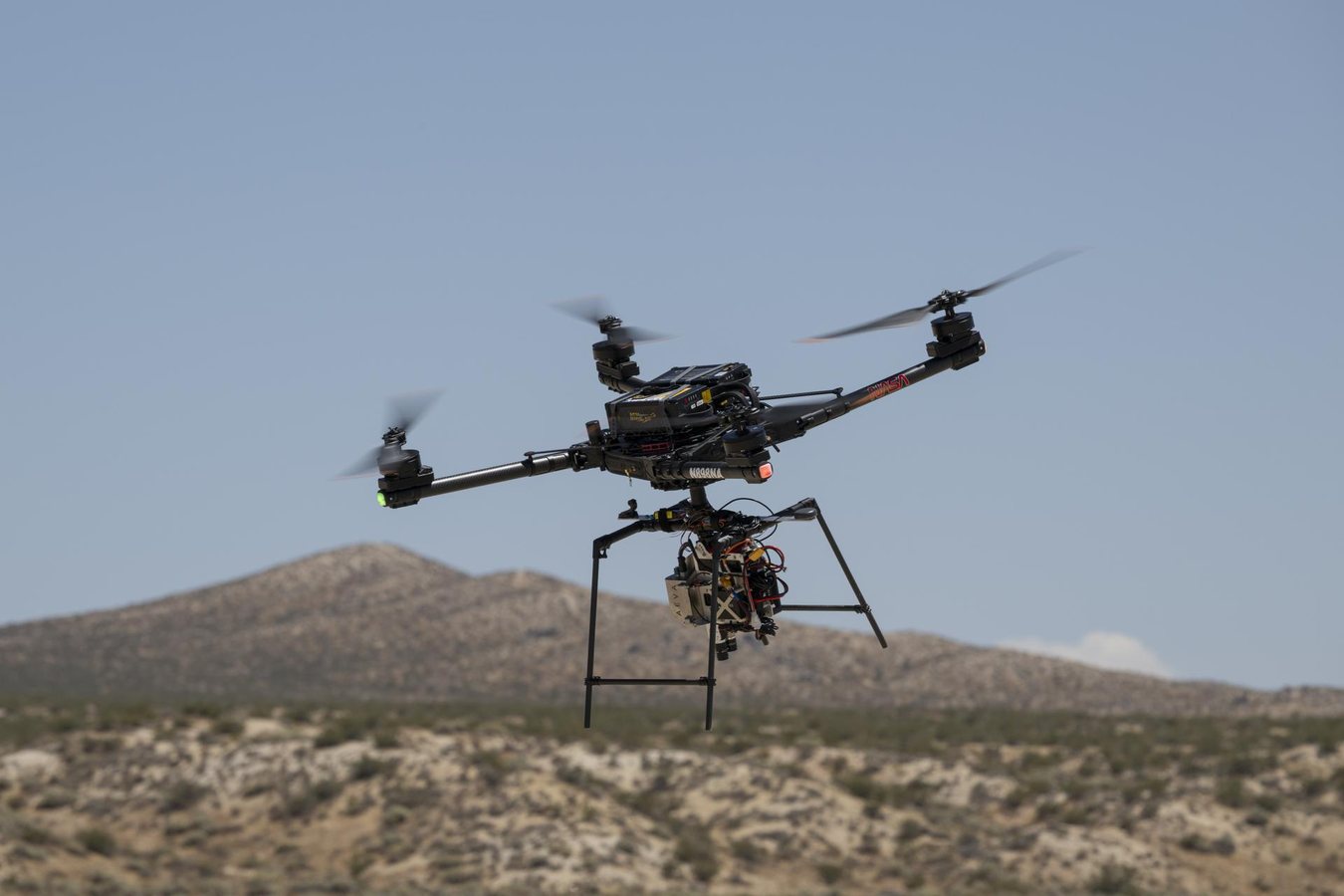
The latest demonstration took place on Aug. 27, when an Alta-X drone carried the SPLICE payload over Rogers Dry Lake at Edwards, California. The flight simulated the maneuvers a lander would perform during a lunar descent and touchdown. It followed integration flights in June and July that checked communications and telemetry between the payload and the aircraft.
The work is not new in concept. NASA project manager Davis Adams said the effort has spanned almost a decade. Earlier flight tests in 2019 and 2020, conducted through the Flight Opportunities project at NASA's Armstrong Flight Research Center, helped refine the technology before the current round of testing. Commercial companies building lunar landers are already adopting iterations of SPLICE for future Moon Base missions, a sign that the technology is moving from government labs toward industry use.
A full-scale test is planned later at Voyager Technologies in Mojave, California. NASA also plans to release the software to its catalog in the fall, which would make it available to other developers. Industry partners are still evaluating how the navigation system can support precision landing and movement across a planetary surface after touchdown, questions that will shape how the technology is used on future missions.
Credit. Based on reporting by Dede Dinius for NASA. Is this your work? Write to us.
11