NASA will chase the August 12 eclipse with a WB-57 jet and balloons
Scientists plan to turn the 2026 total eclipse into a high-altitude experiment, extending observations of the solar corona beyond what observers can see from the ground.
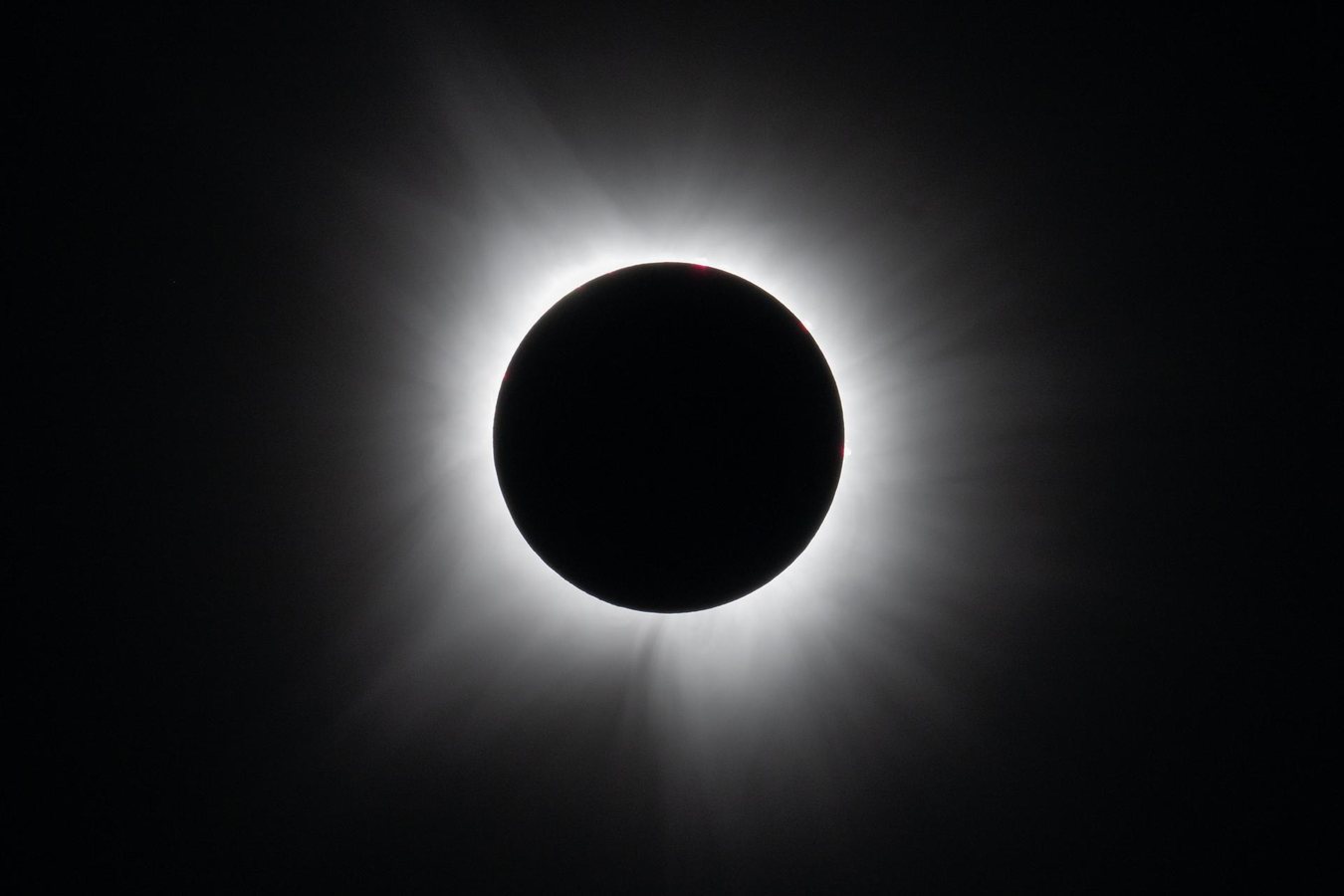
Источник: NASA/Keegan Barber. Ілюстративний кадр повної фази сонячного затемнення, Даллас, 8 квітня 2024 року; не фото затемнення 2026 року. · NASA media content; generally not subject to U.S. copyright and available for factual editorial/informational use under NASA Media Usage Guidelines; NASA attribution required.
When the Moon covers the Sun on Aug. 12, NASA-funded teams will not simply wait under the eclipse path. One experiment will actively chase the Moon’s shadow aboard a WB-57 high-altitude research jet, while student teams in Iceland and Spain launch scientific balloons into the changing atmosphere.
The aircraft is scheduled to fly at about 50,000 feet carrying four cameras that record the solar corona in visible and infrared wavelengths. NASA says the jet’s roughly 460-mph chase will extend its view of the corona to nearly three minutes. The longest totality available from the ground during this eclipse is about two minutes and 18 seconds.
The balloon campaign examines a different question: what happens to Earth’s lower atmosphere when daylight suddenly collapses. Two teams in Iceland plan a total of 80 balloon launches beginning 18 hours before the eclipse and continuing eight hours afterward. Three teams in Spain will fly six balloons with 360-degree cameras and ozone instruments.
The central eclipse path crosses far northern Russia, Greenland, Iceland, Spain and a small area of Portugal. Outside that band, the Sun remains partly visible and safe solar filters are mandatory. The eclipse therefore provides both a public spectacle and a controlled natural experiment in solar and atmospheric physics.
Jordan Quincy covers public affairs, politics, business, culture and daily news for Science Official. The role focuses on verification, context, and clear explanations for readers.