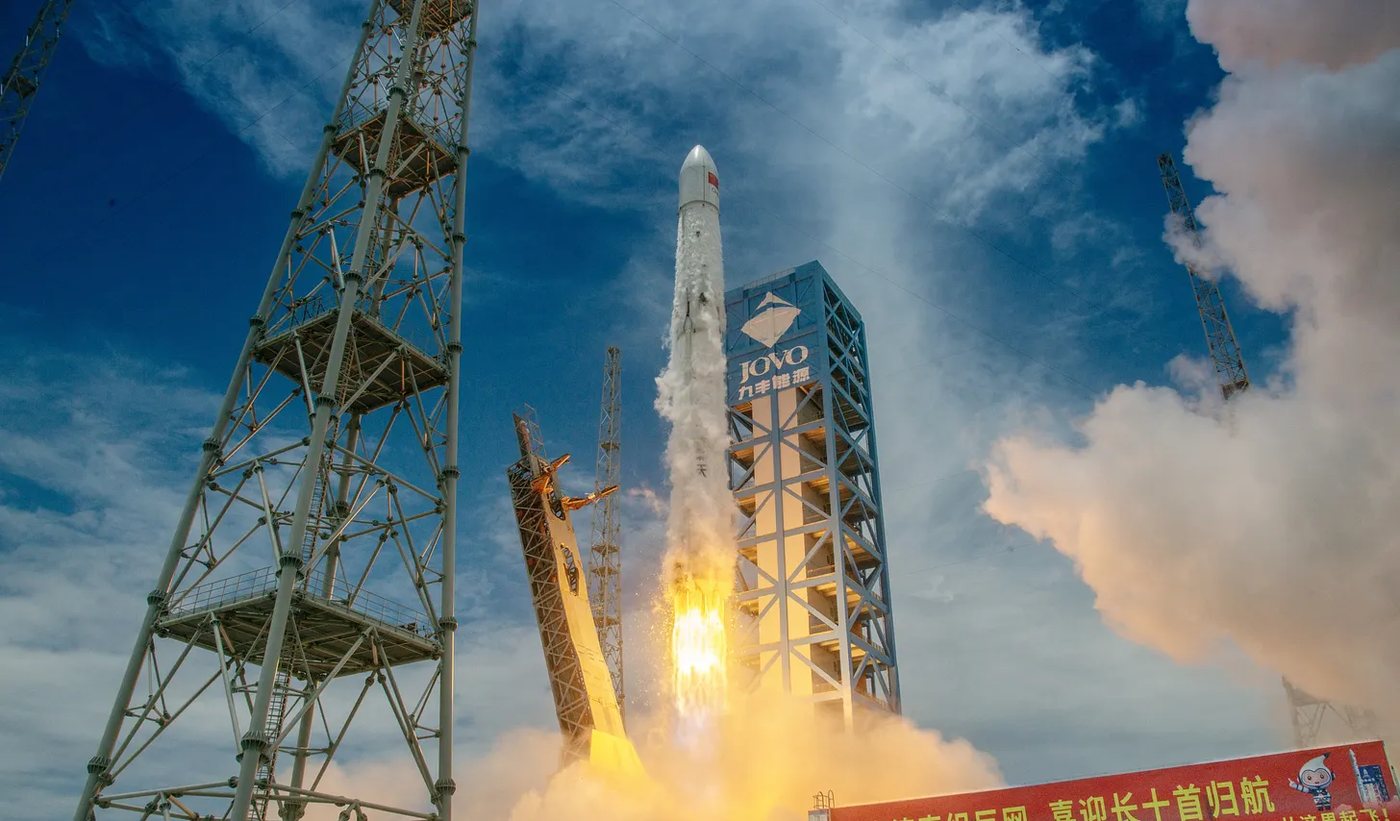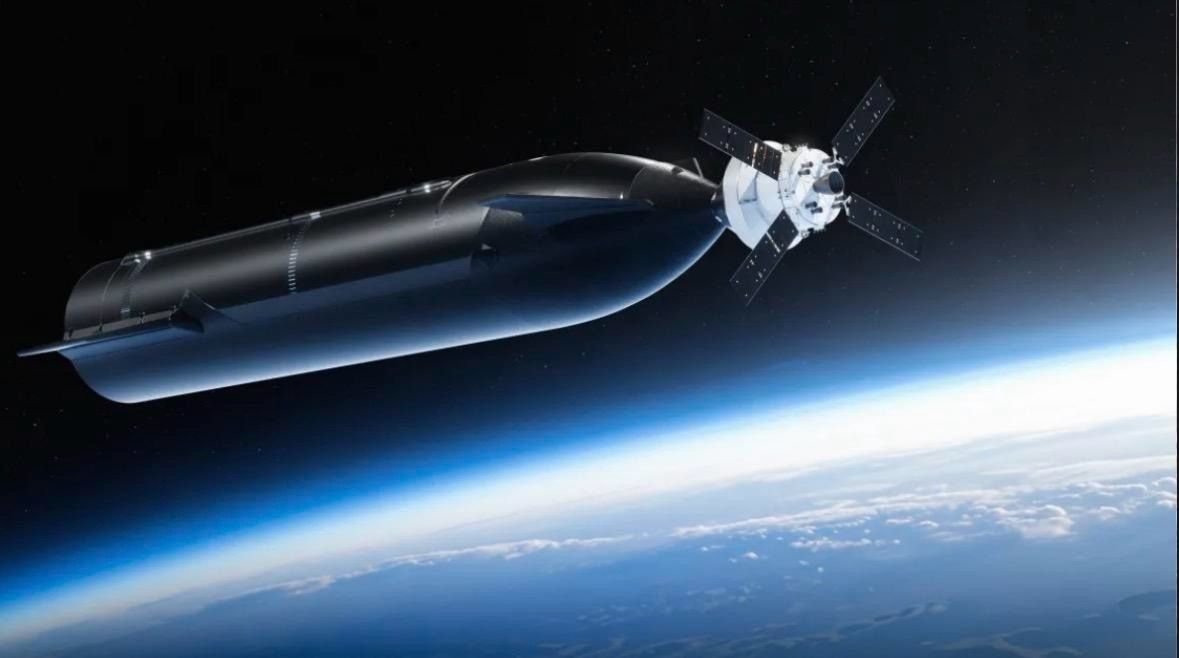
NASA’s Artemis III mission, planned as the first crewed lunar landing since Apollo 17 in 1972, will be the agency’s most intricate and demanding spaceflight operation yet, involving four astronauts, three separate spacecraft, and roughly two weeks in orbit around the Moon. The mission architecture, which relies on the Space Launch System rocket, the Orion crew capsule, and a human landing system provided by SpaceX, represents a major step forward in deep-space exploration and a critical test of technologies needed for future missions to Mars.
The mission will begin with the launch of the four-person crew aboard the Orion spacecraft atop the Space Launch System rocket from Kennedy Space Center in Florida. After reaching lunar orbit, two astronauts will transfer to SpaceX’s Starship human landing system, which will carry them to the surface of the Moon near the south pole. The other two crew members will remain in orbit aboard Orion, conducting scientific observations and maintaining the spacecraft. The surface crew is expected to spend about six and a half days on the lunar surface, conducting experiments, collecting samples, and testing equipment before returning to Orion for the journey back to Earth.
NASA officials have described Artemis III as a mission that pushes the boundaries of what the agency has achieved in human spaceflight. Unlike the Apollo missions, which were relatively short and focused on equatorial regions, Artemis III will target the lunar south pole, a region of high scientific interest due to the presence of water ice in permanently shadowed craters. The mission will also test new spacesuits, surface mobility systems, and communication networks that will be essential for establishing a long-term human presence on the Moon under the Artemis program.
The complexity of the mission arises from the need to coordinate multiple spacecraft and crews in lunar orbit and on the surface, as well as the reliance on commercial partners for critical systems. SpaceX’s Starship, which has not yet flown a crewed mission, will serve as the lander, while the Orion spacecraft will provide transportation and life support for the crew during the transit phases. The mission also requires precise timing and navigation to ensure that the lander and Orion can rendezvous and dock in lunar orbit after the surface expedition.
NASA has been developing the Artemis program since 2017, with the goal of returning humans to the Moon and establishing a sustainable presence there by the end of the decade. Artemis I, an uncrewed test flight of the Space Launch System and Orion, successfully completed a mission around the Moon in late 2022. Artemis II, currently scheduled for 2024, will carry a crew of four on a flyby of the Moon without landing. Artemis III, targeted for no earlier than 2025, will be the first crewed landing and the most ambitious of the early missions.
The mission’s timeline and budget have faced scrutiny from Congress and the Government Accountability Office, which have raised concerns about the readiness of the Starship lander and the development of new spacesuits. Despite these challenges, NASA has maintained that the Artemis III mission remains on track and that the lessons learned from the earlier flights will inform the final design and procedures. The agency has also emphasized the importance of international cooperation, with the European Space Agency providing the service module for Orion and other partners contributing scientific instruments and expertise.
For the astronauts selected for Artemis III, the mission will represent the culmination of years of training and preparation. The crew will be announced closer to the launch date, but NASA has already named the Artemis II crew, which includes Commander Reid Wiseman, Pilot Victor Glover, Mission Specialist Christina Koch, and Canadian astronaut Jeremy Hansen. The Artemis III crew is expected to include a mix of experienced astronauts and newer members, reflecting the agency’s commitment to diversity and inclusion in its exploration efforts.
The scientific objectives of Artemis III are extensive. The crew will collect rock and soil samples from the lunar south pole, which could provide insights into the history of the Moon and the solar system. They will also deploy instruments to measure the lunar environment, including radiation levels and seismic activity, and test technologies for extracting water from ice deposits. These activities are designed to support the long-term goal of establishing a lunar base that could serve as a stepping stone for human missions to Mars in the 2030s.
Beyond its scientific and technical goals, Artemis III carries symbolic weight as the first human return to the Moon in over half a century. The mission is named after the Greek goddess of the Moon and the twin sister of Apollo, signaling a new era of exploration that aims to be more inclusive and sustainable than its predecessor. NASA has stated that the Artemis program will land the first woman and the first person of color on the Moon, a commitment that reflects broader societal changes since the Apollo era.
As the mission moves closer to reality, NASA and its partners continue to conduct tests and simulations to ensure that all systems are ready. The agency has also been working with the scientific community to refine the mission’s objectives and select the best landing sites. While challenges remain, the Artemis III mission represents a bold step forward in humanity’s quest to explore the cosmos and establish a permanent presence beyond Earth.
90