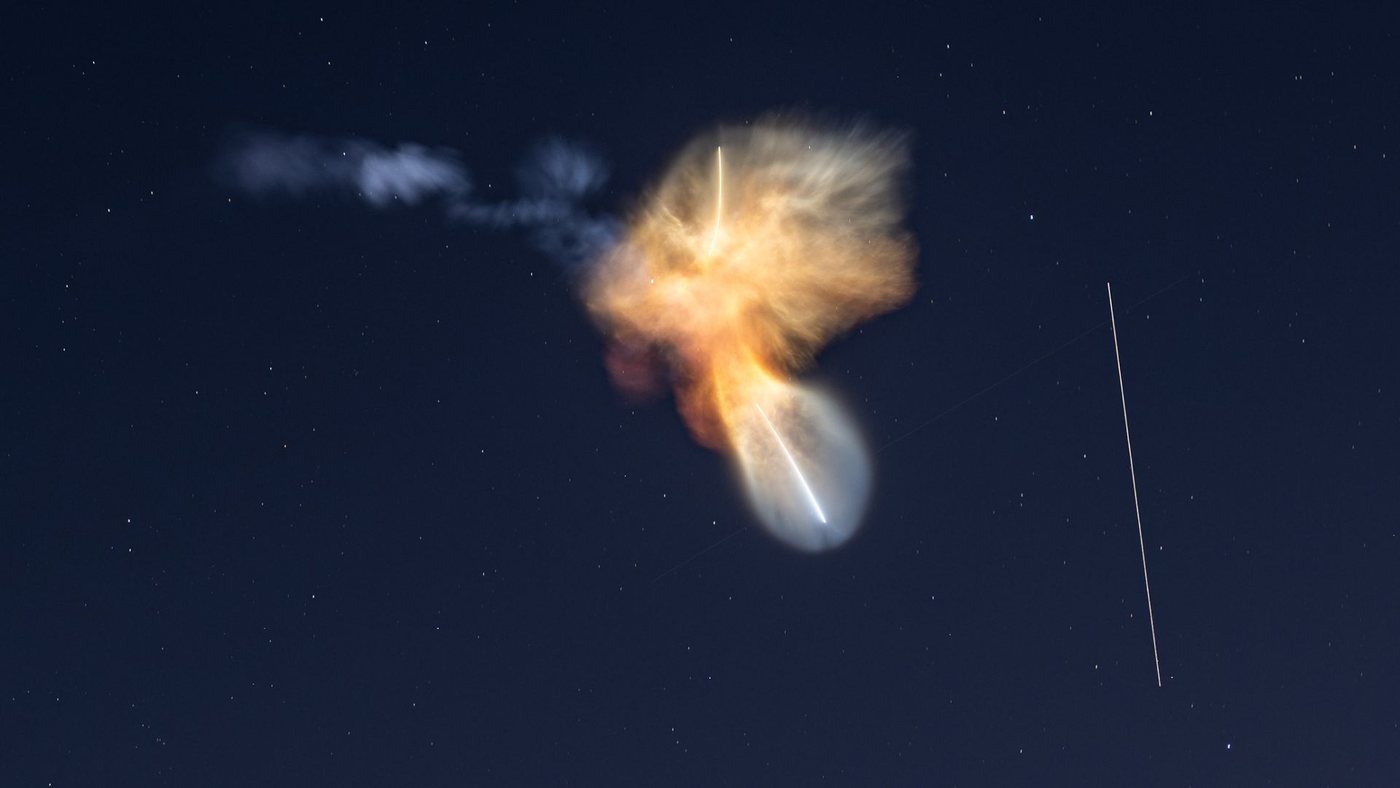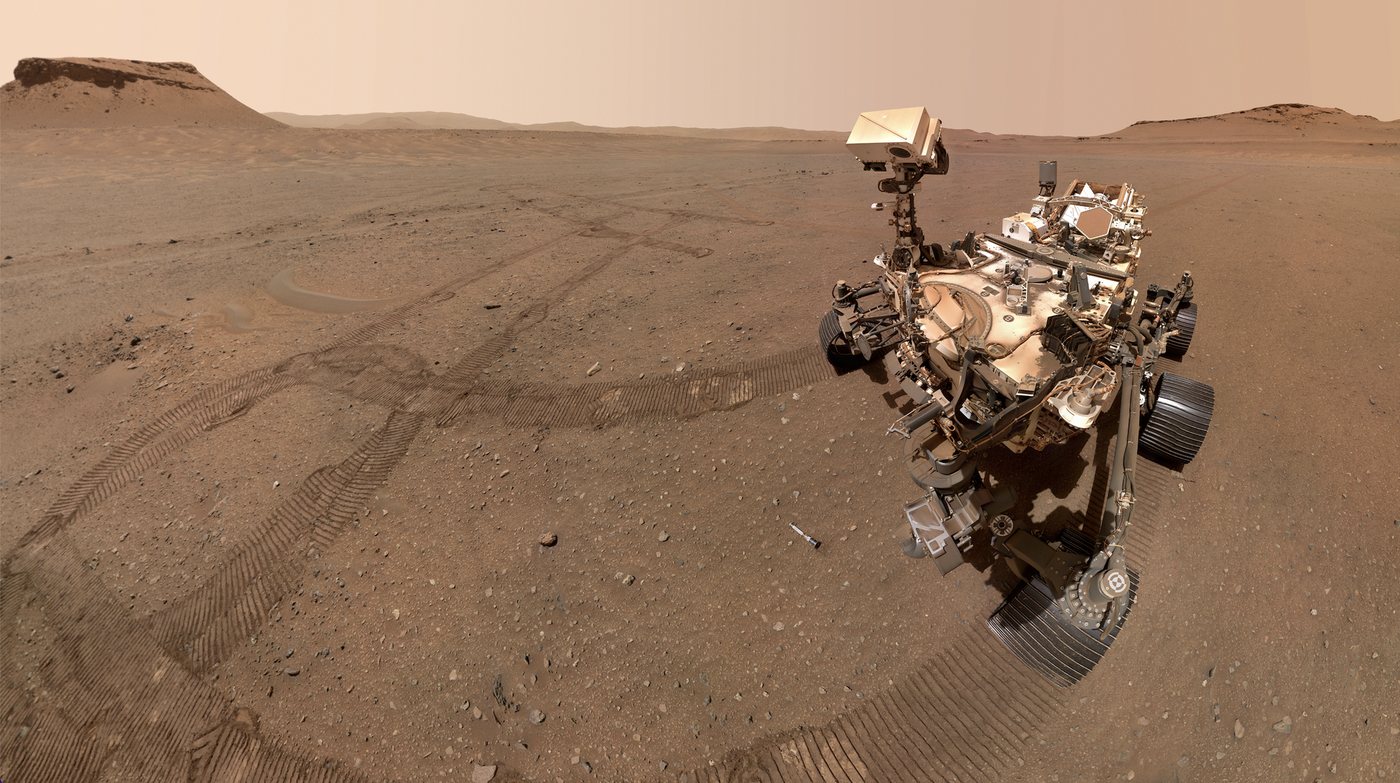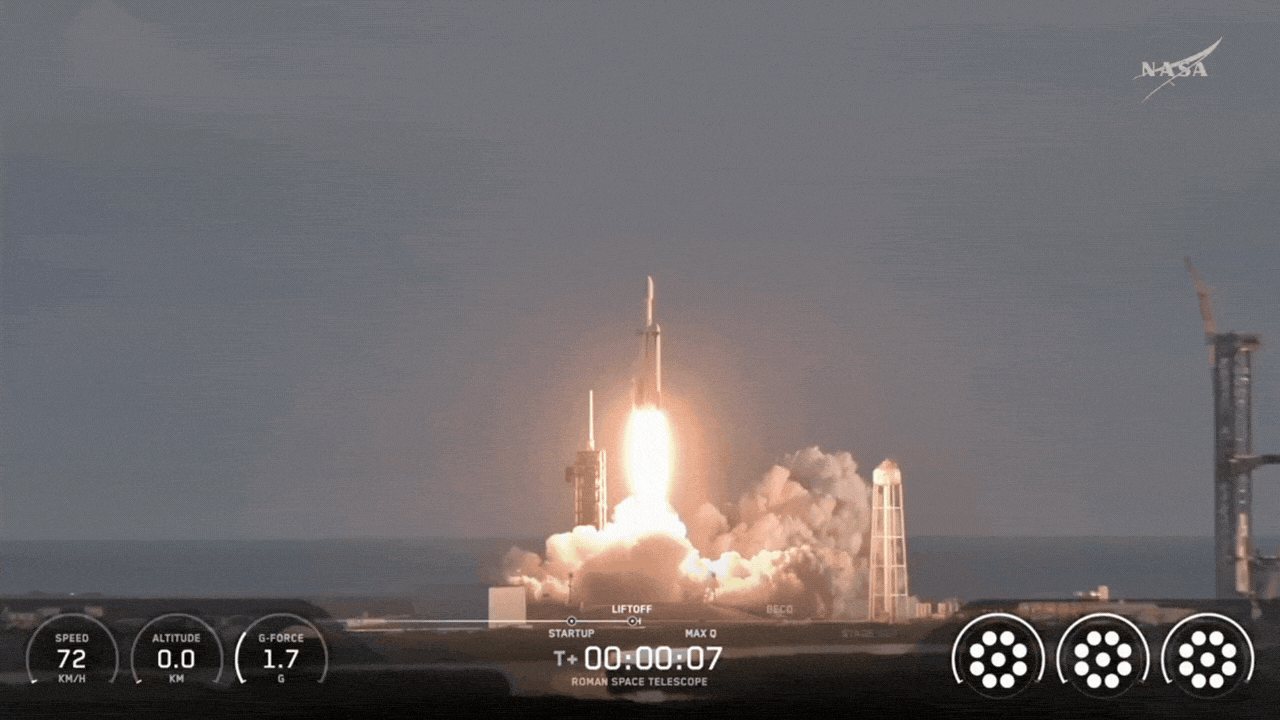
NASA’s Roman Space Telescope has lifted off on a million-mile journey to the Lagrange point 2, or L2, where it will begin a mission to scan vast portions of the cosmos for answers about dark matter, dark energy, and distant worlds. The telescope, named after the agency’s first chief of astronomy, Nancy Grace Roman, is designed to capture images of the universe at a speed roughly 1,000 times faster than the Hubble Space Telescope, delivering as much as 1.4 terabytes of data every day.
That torrent of information, scientists say, could reveal cosmic phenomena that astronomers have never seen before. Roman’s wide-field instrument will allow it to map the distribution of dark matter, trace the expansion history of the universe, and directly image exoplanets, offering a new window into some of the most persistent mysteries in modern astrophysics.
The launch marks a major milestone for NASA’s astrophysics program, which has been preparing for Roman for more than a decade. The telescope’s journey to L2, a gravitationally stable point about 1.5 million kilometers from Earth, will take several weeks. Once there, Roman will join other observatories, including the James Webb Space Telescope, in studying the universe from a vantage point far beyond the interference of Earth’s atmosphere.
Dark energy, the unknown force thought to drive the accelerating expansion of the universe, is one of Roman’s primary targets. By surveying hundreds of millions of galaxies, the telescope will measure how the expansion rate has changed over time, providing data that could help astronomers understand whether dark energy is constant or has evolved. Dark matter, which makes up most of the universe’s mass but does not emit light, will be mapped through gravitational lensing, a technique that measures how light from distant galaxies is bent by invisible mass.
Beyond cosmology, Roman will also search for exoplanets, including potentially habitable worlds, using a coronagraph instrument designed to block starlight and reveal faint planets in orbit. The telescope’s ability to image these worlds directly could provide new insights into planetary systems beyond our own, complementing the work of other missions like the Transiting Exoplanet Survey Satellite.
Black holes, too, are on Roman’s agenda. The telescope will look for the gravitational signatures of black holes, including those that may have formed in the early universe, and study how they influence the galaxies around them. Its wide-field surveys will also capture transient events, such as supernovae, which can serve as distance markers for measuring cosmic expansion.
The mission’s data volume is unprecedented for a space telescope. Each day, Roman will transmit 1.4 terabytes of images and spectra to Earth, a flow that will require new data-processing pipelines and will be made available to the scientific community through a public archive. The sheer scale of the survey means that discoveries are likely to come not only from planned observations but also from serendipitous finds buried in the data.
Roman’s launch comes at a time when the field of cosmology is facing significant questions. Recent measurements of the universe’s expansion rate, known as the Hubble tension, have shown discrepancies between different methods, suggesting that something may be missing from current models. Roman’s ability to survey vast numbers of galaxies with high precision could help resolve this tension, either by confirming the standard model or by revealing the need for new physics.
The telescope is expected to operate for at least five years, with the possibility of extension. Its first images, after a commissioning period, are anticipated within months of arrival at L2. For astronomers, the mission represents a new era of wide-field space-based observation, one that could reshape our understanding of the universe’s composition and fate.
134