Reflect Orbital, a California-based startup, has received regulatory approval to launch its first space mirror into orbit, marking a significant step toward a future where sunlight can be redirected from space to Earth-based solar farms after dark. The company plans to deploy tens of thousands of such mirrors if the initial test succeeds.
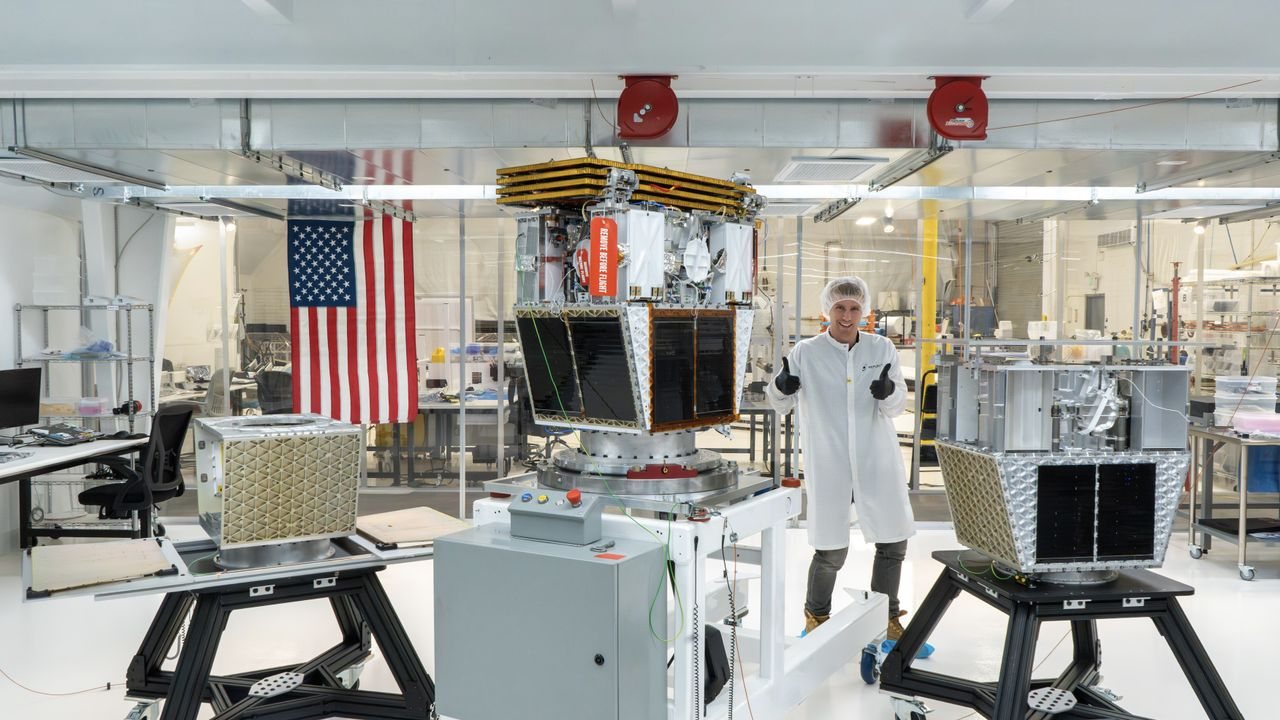
The prototype, which the company describes as a small orbital reflector, is designed to beam sunlight onto solar panels during evening hours, effectively extending the time during which renewable energy can be generated. The concept has drawn both interest and skepticism from the space and energy communities.
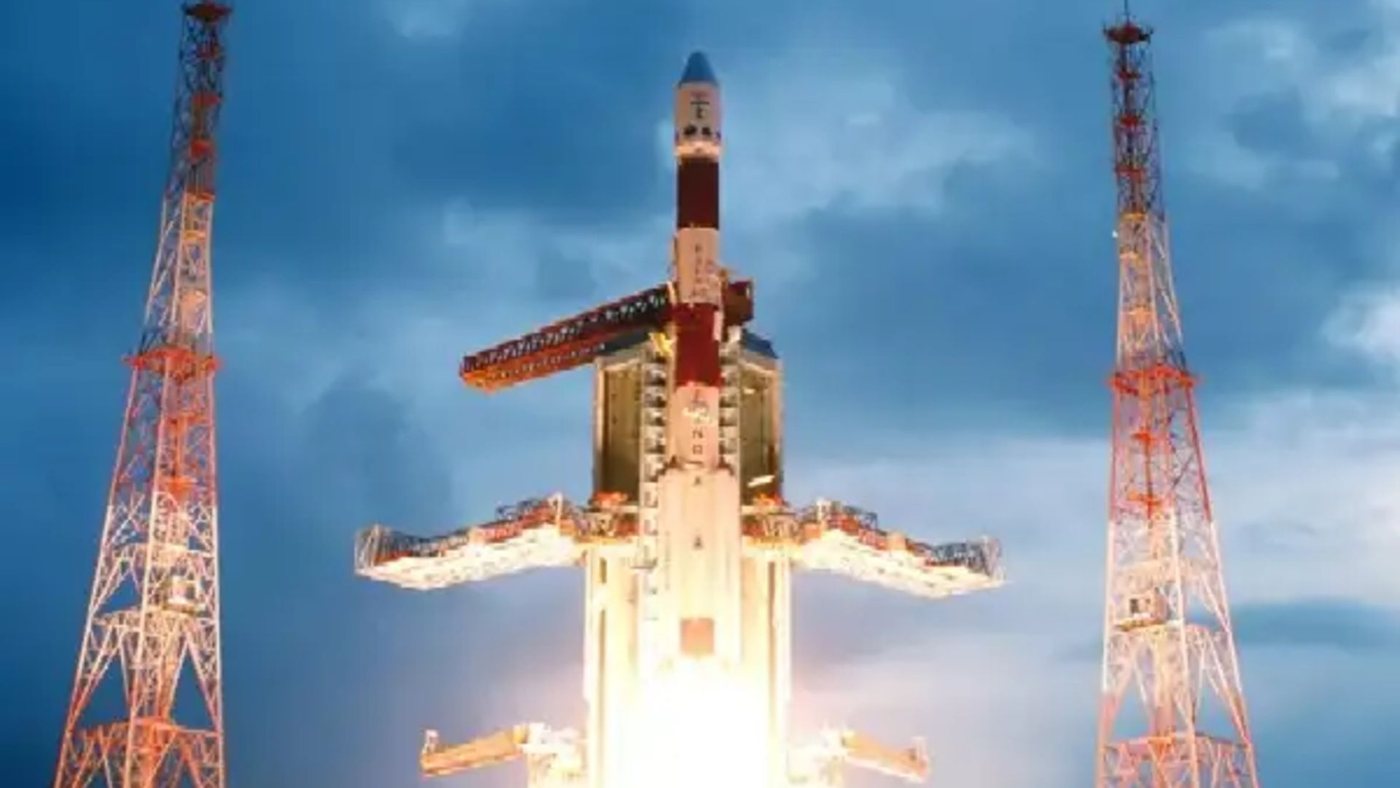
The Federal Communications Commission granted Reflect Orbital a license for the launch, which is expected to take place within the next several months. The company has not disclosed the exact launch date or the rocket provider, but it has indicated that the mirror will be deployed into low Earth orbit.
Each mirror in the planned constellation would be relatively small, measuring about 33 feet across once deployed. The company envisions a network of thousands of such reflectors working in concert to provide up to 30 minutes of additional sunlight to targeted solar farms after sunset. This could significantly boost the output of solar energy installations, which currently generate no power once the sun goes down.
The technology relies on the mirrors' ability to precisely track and reflect sunlight toward specific ground locations. Reflect Orbital has developed proprietary software to control the mirrors' orientation and ensure that the reflected light stays focused on designated solar arrays without causing glare or light pollution in unintended areas.
Critics have raised concerns about potential environmental and astronomical impacts. Light pollution from orbital reflectors could interfere with ground-based telescopes and disrupt nocturnal ecosystems. Astronomers have already voiced opposition to large-scale reflective constellations, arguing that they could brighten the night sky and complicate observations. Reflect Orbital has stated that it is working with astronomers and environmental groups to mitigate these effects, though specific measures have not been detailed.
The company is not alone in pursuing space-based solar reflection. Several other startups and research institutions have explored similar concepts, but none have yet deployed a working orbital mirror. If successful, Reflect Orbital's test could validate the feasibility of the technology and open the door to commercial operations.
Industry analysts note that the economic case for space mirrors depends on the cost of launching and maintaining the constellation. Launch costs have fallen dramatically in recent years thanks to reusable rockets, but deploying thousands of reflectors would still require substantial investment. Reflect Orbital has raised venture capital funding from undisclosed investors and is exploring partnerships with solar energy developers.
The company's long-term vision includes not only extending daylight for solar farms but also providing illumination for disaster relief operations, search and rescue missions, and other applications where temporary lighting is needed. However, the immediate focus remains on the upcoming test flight.
Regulatory hurdles beyond the FCC license remain. International treaties governing outer space activities may apply, and the company may need additional approvals from other agencies before scaling up its operations. The FCC license covers only the first launch, and each subsequent deployment would require separate authorization.
Reflect Orbital's founder, Ben Nowack, has described the project as a way to make solar energy more reliable by reducing its dependence on the diurnal cycle. In previous interviews, he has emphasized that the mirrors would not be visible to the naked eye from the ground and would not create permanent artificial twilight. The company has not yet published independent verification of these claims.
The test launch will be closely watched by the renewable energy industry, which is under pressure to increase the share of solar power in the global energy mix. Solar energy currently accounts for about 5% of electricity generation worldwide, and its growth has been constrained by the need for battery storage to provide power after dark. Space mirrors offer an alternative approach that could reduce the need for large-scale battery systems.
Environmental groups have expressed cautious interest but called for rigorous impact assessments before any large-scale deployment. The International Dark-Sky Association has urged regulators to require comprehensive studies of light pollution and orbital debris risks before approving additional launches.
Reflect Orbital has not released a timeline for deploying the full constellation, but the company has indicated that a successful first flight could lead to a rapid expansion. The startup aims to demonstrate that orbital reflectors can be built, launched, and operated at a cost that makes commercial sense.
The coming months will determine whether the concept moves from prototype to practical reality. For now, the company is focused on getting its first mirror into orbit and proving that sunlight can be reliably delivered from space to the ground.
121