The U.S. Space Force has selected Rocket Lab and STR, along with a third company that was not identified, for contracts worth a combined $615 million under the AMTI satellite program, an effort focused on tracking airborne targets from space.
The awards cover airborne-target tracking technologies and place the two named companies at the center of a push by the military to build space-based surveillance capabilities. The program is designed to give the Space Force a satellite-based way to detect and follow moving airborne objects, adding a new layer to the tracking systems that the military already operates from the ground and from aircraft.
Rocket Lab and STR were the only companies named in the award announcement. The third vendor was not identified. The contracts have a combined value of $615 million across the three awardees, and the work is tied to the AMTI satellite effort, which has become a focus for companies developing space-based surveillance and targeting technologies.
The new contracts are part of a broader effort by the Space Force to strengthen military surveillance from orbit. Airborne target tracking has long been carried out by radar aircraft and other platforms, but space-based systems can offer broader and more persistent coverage from above. For the Space Force, the program is one part of a larger effort to integrate space-based sensing into daily military operations.
The AMTI effort reflects a broader turn by the Space Force toward satellite constellations and a wider pool of suppliers for national security space programs. From orbit, sensors can observe wide areas and maintain continuous watch over regions of interest, a capability that military planners want for detecting and tracking targets as they move through the air.
Space-based moving target tracking has become an area of growing military interest because satellites are not limited by the range of ground radars or by the flight paths of airborne surveillance aircraft. A satellite constellation carrying the right sensors could pass targeting information to commanders in near-real time, supporting operations across large regions. That kind of capability would close gaps that can appear when ground radars are out of range or airborne patrols are limited by weather, distance, or other constraints.
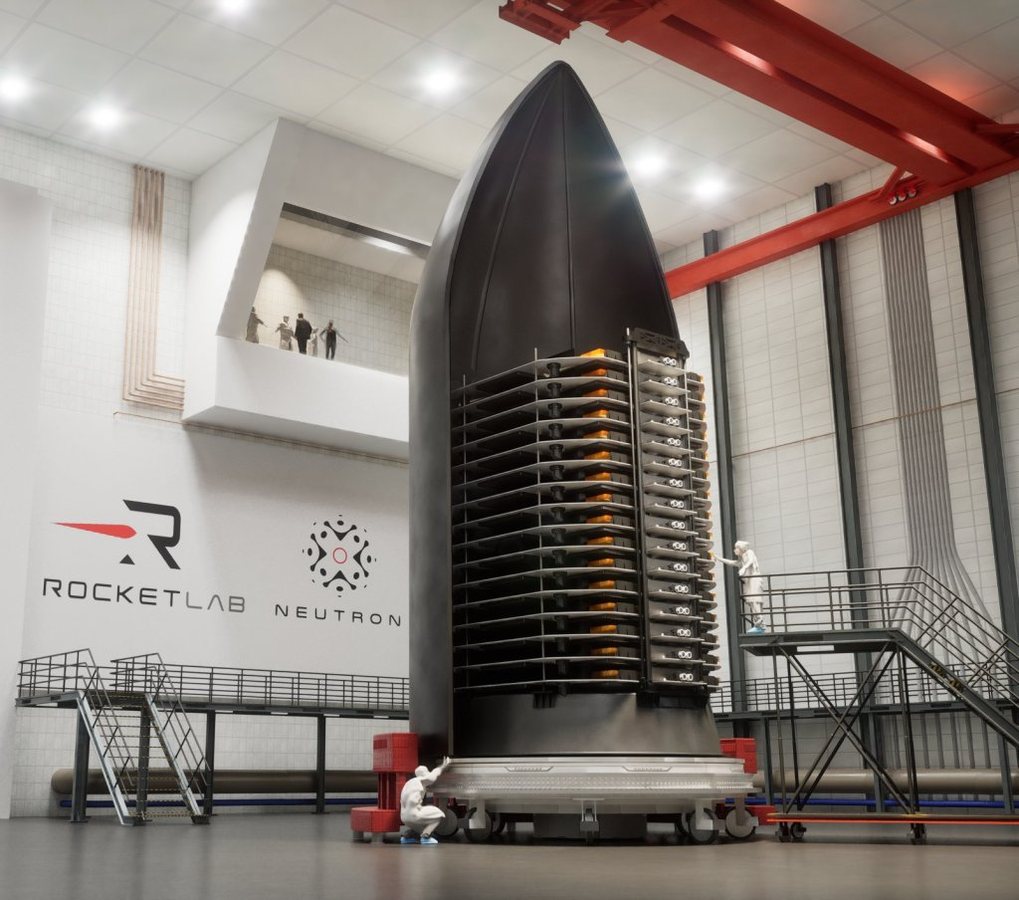
Rocket Lab is an aerospace company that provides launch services and builds spacecraft for government and commercial customers. STR is a technology firm that works on national security research and systems. The selection puts both companies on the team for a satellite program intended to improve how the military tracks airborne targets from space.
The awards also highlight the growing role of non-traditional space companies in U.S. defense programs. The Space Force has said it wants a broader industrial base for national security space, and competitive awards of this type give newer entrants a path into satellite development for military missions. The combination of launch, spacecraft, and research capabilities represented by the selected companies gives the Space Force access to different parts of the satellite development chain.
The new contracts add Rocket Lab and STR to the industrial base supporting the AMTI satellite effort, which remains focused on using space-based sensors to detect moving airborne targets. The third vendor, still unnamed, was selected alongside the two companies for the same program.