October skies will give stargazers three notable events: Saturn reaching opposition, the annual Orionid meteor shower produced by debris from Halley's Comet, and the Moon sweeping past the Pleiades star cluster. The Orionids peak under moonlight that may wash out fainter streaks, but viewing conditions improve before dawn once the Moon has set.
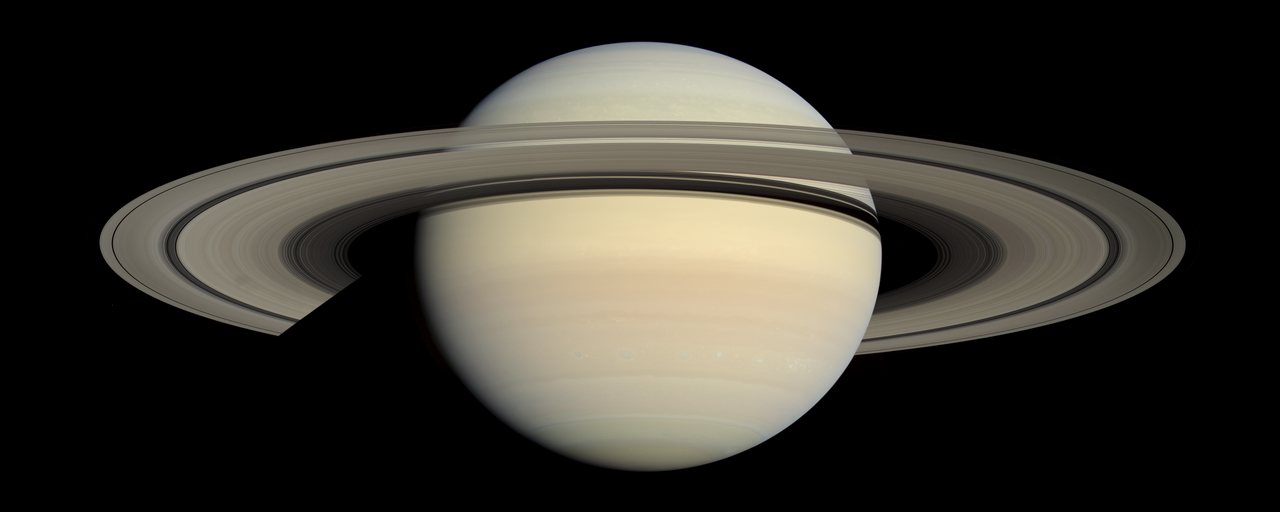
Saturn at opposition places the ringed planet directly opposite the Sun from Earth's perspective, a geometry that makes it appear at its largest and brightest for the year. Opposition also means Saturn rises near sunset and remains visible for most of the night, offering an extended window for observation with the naked eye and small telescopes. For casual viewers, the planet will be an unmissable steady golden point of light, while telescope users can look for its rings and brighter moons.
The Orionid meteor shower occurs each October when Earth passes through a stream of dust and ice particles shed by Halley's Comet. These particles strike the upper atmosphere at high speed and burn up, producing brief streaks of light. The shower is named for the constellation Orion, the region of the sky from which the meteors appear to radiate, though meteors can appear anywhere in the sky. Halley's Comet itself is not currently near Earth; the Orionids are the lingering trail of its previous passes.
Moonlight is the main obstacle this year. A bright Moon during the peak can hide all but the brightest Orionid meteors, reducing the number visible to observers. The best viewing should come in the hours before dawn after the Moon has set, when the sky is darkest. Viewers are advised to find a location away from city lights, allow their eyes to adapt to the dark for about twenty minutes, and look up without focusing on any single point in the sky.
The Moon will also make a close pass by the Pleiades, a bright open star cluster in the constellation Taurus. The pairing will be visible to the naked eye as a compact gathering of stars near the Moon, and the contrast between the Moon's glare and the cluster's blue-white stars can be striking in binoculars or a small telescope. The Pleiades, also known as the Seven Sisters, is one of the nearest star clusters to Earth and has been recognized across cultures for thousands of years.
Together, the events give October nights a mix of planetary observation and meteor watching. Saturn's opposition provides a steady target for beginners, while the Orionids reward those willing to wake before dawn. The Pleiades encounter adds a bright, easy-to-find landmark for anyone looking up during the month. Even with moonlight interfering, the month offers several reasons to step outside and look up.
18