The Shropshire Astronomical Society has secured permission to install a mini-observatory at Rodington village hall, a move that will give amateur astronomers in the English county a permanent facility for observing the night sky and hosting public events.
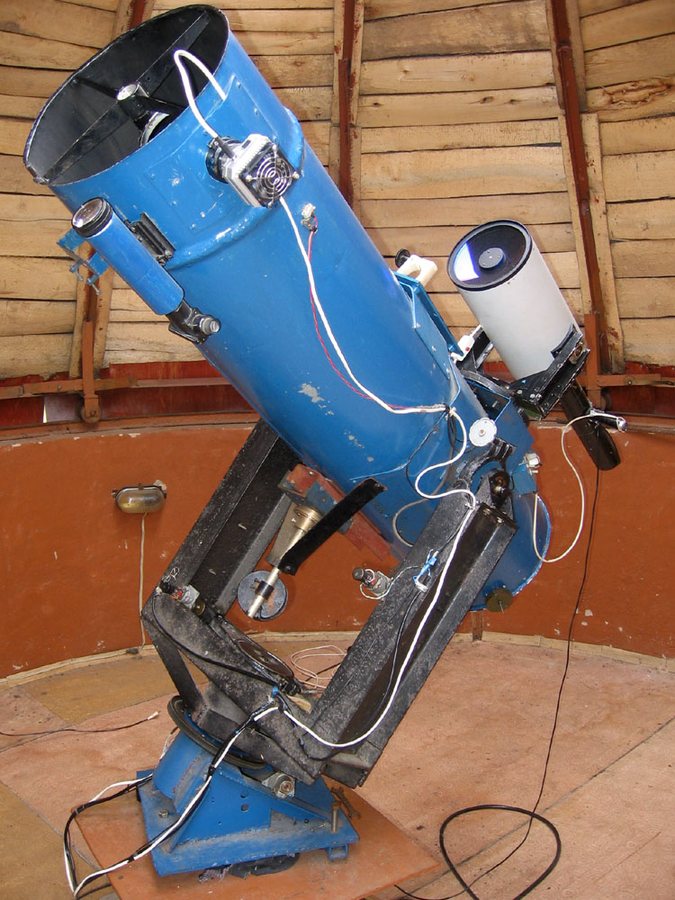
The society plans to mount a telescope dome at the village hall, according to the approved proposal. The structure will allow members to conduct regular observing sessions without the need to transport and reassemble equipment for each event, a logistical burden that often limits how frequently clubs can meet.
Rodington village hall will host the dome, placing the observatory within a community venue rather than at an isolated dark-sky site. That choice reflects a growing trend among amateur astronomy groups to embed their facilities in population centers, where they can more easily attract newcomers and collaborate with local schools and civic organizations.
For the Shropshire Astronomical Society, the permission marks the culmination of a planning effort that required coordination with local authorities and village hall representatives. The society has not yet announced a construction timeline or a date for the observatory's first light, but the approval clears the way for installation work to proceed.
The project is modest in scale compared with professional observatories, yet its significance for the local astronomy community is considerable. A fixed dome protects sensitive optical equipment from weather and temperature swings, reduces setup time, and enables more consistent observation of variable stars, lunar phases, and planetary events. It also creates a dedicated space where experienced members can mentor beginners.
Public outreach is likely to be a central function of the new facility. Village halls across the United Kingdom frequently serve as hubs for evening classes, youth groups, and community meetings, and an observatory on site can turn a routine club night into an accessible introduction to astronomy for families and casual visitors. Such venues are particularly valuable in regions where light pollution and travel distances discourage attendance at larger, remote observatories.
The Shropshire Astronomical Society has long been active in the county, and the Rodington project adds to a broader pattern of grassroots investment in astronomy infrastructure. Across the UK, amateur societies have pursued similar installations at schools, museums, and community centers, often funded through small grants, member donations, and local fundraising. These facilities complement professional observatories by supporting education, citizen science, and public engagement with space science.
Astronomical observation from populated areas comes with trade-offs. Artificial light can wash out faint objects, and the horizon may be obstructed by buildings or trees. However, a permanent dome allows a society to specialize in brighter targets — the Moon, planets, double stars, and bright clusters — that remain rewarding even under suburban skies. Members can also schedule sessions around weather and seasonal conditions rather than waiting for a single high-profile event.
The approval at Rodington also highlights the role of local governance in science outreach. Planning decisions at the village level determine whether communities gain or lose access to facilities that support informal science education. In this case, the society's proposal won support, enabling a small but durable addition to Shropshire's scientific landscape.
For now, the society's next steps will involve preparing the site, installing the dome, and commissioning the telescope. Once operational, the mini-observatory is expected to host member viewing nights and public open evenings, giving residents of Rodington and surrounding areas a closer look at the sky above them.
15