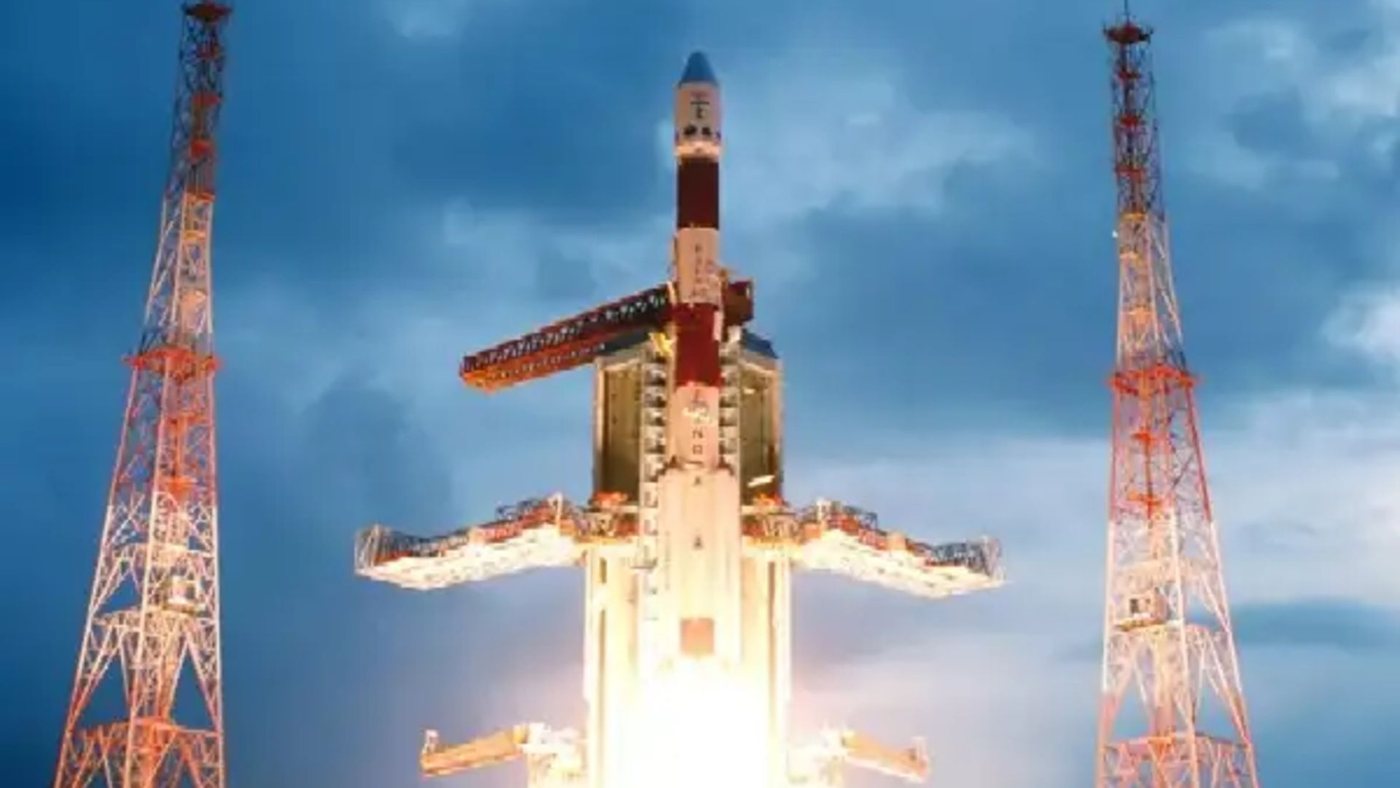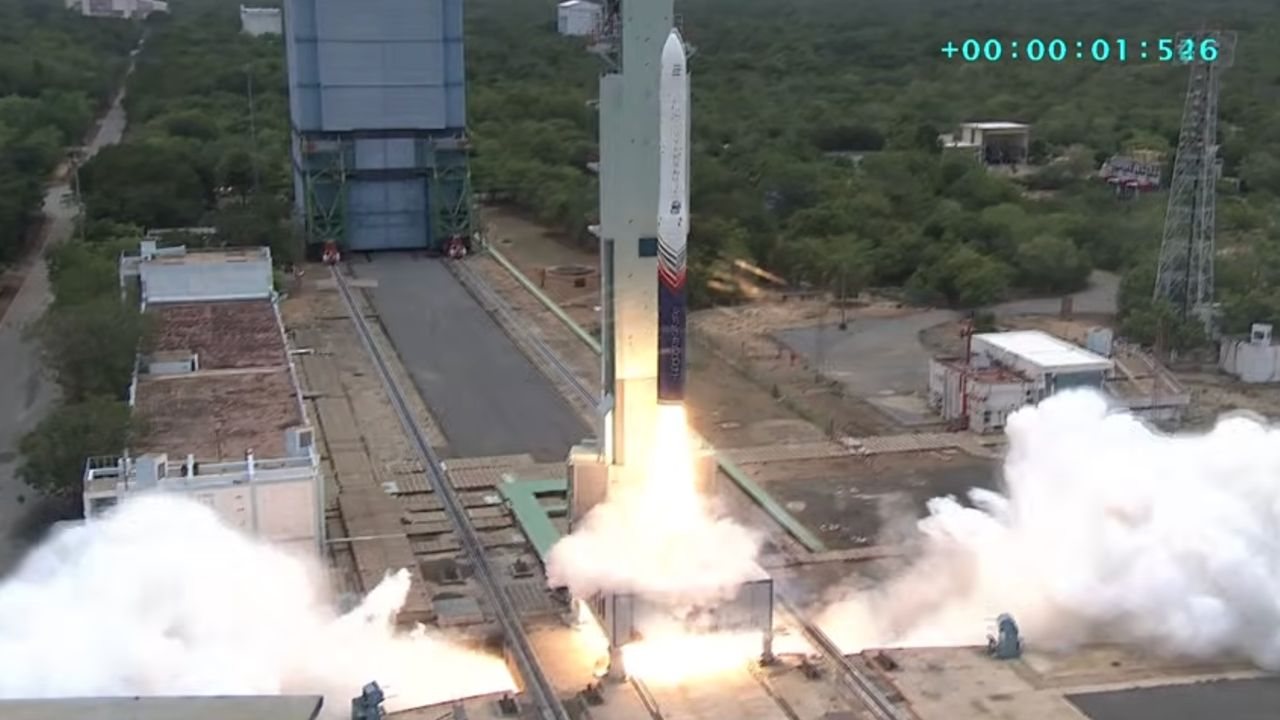
India’s private space sector achieved a historic milestone on [date] as Skyroot Aerospace successfully launched the Vikram-1 rocket, the country’s first privately developed orbital launch vehicle. The mission, which lifted off from the Satish Dhawan Space Centre in Sriharikota, marks a significant step in India’s efforts to open its space program to commercial players and reduce reliance on government-led missions.
The Vikram-1 rocket, named after Dr. Vikram Sarabhai, the father of India’s space program, is a three-stage, solid-fueled vehicle designed to carry small satellites into low Earth orbit. The launch was hailed by industry experts as a breakthrough for India’s nascent private space industry, which has been growing rapidly since the government opened the sector to private investment in 2020. Skyroot Aerospace, founded in 2018 by former engineers from the Indian Space Research Organisation (ISRO), has been at the forefront of this shift, developing the Vikram series of rockets with a focus on cost efficiency and rapid deployment.
The successful launch of Vikram-1 is expected to bolster India’s position in the global small satellite launch market, which is projected to grow significantly in the coming years. The rocket is capable of carrying payloads of up to 500 kilograms to an altitude of 500 kilometers, making it competitive with other small launchers such as Rocket Lab’s Electron and Virgin Orbit’s LauncherOne. Skyroot has already secured contracts with several domestic and international clients, including the Indian government and private firms, for future missions.
The mission also carried a payload of scientific instruments and technology demonstrators, though specific details were not immediately disclosed. The launch was conducted under the supervision of ISRO, which provided infrastructure and technical support as part of its policy to foster private sector participation. ISRO Chairman S. Somanath congratulated the Skyroot team, calling the launch a “monumental achievement” for India’s space ecosystem.
The Indian government has been actively promoting private investment in space through reforms such as the establishment of the Indian National Space Promotion and Authorization Centre (IN-SPACe), which regulates and facilitates private space activities. The success of Vikram-1 is likely to accelerate these efforts, attracting more startups and investors to the sector. Industry analysts predict that India’s private space market could be worth billions of dollars in the next decade, driven by demand for satellite-based services in communications, Earth observation, and navigation.
Skyroot Aerospace has ambitious plans for the future, including the development of a larger, reusable rocket called Vikram-2 and a heavy-lift variant, Vikram-3. The company also aims to offer launch services at a fraction of the cost of traditional providers, leveraging India’s engineering talent and manufacturing capabilities. The successful debut of Vikram-1 is a critical step toward these goals, demonstrating that Indian private companies can compete on the global stage.
The launch has been widely celebrated in India as a symbol of technological progress and entrepreneurial spirit. Prime Minister Narendra Modi lauded the achievement on social media, describing it as a “proud moment for India” and a testament to the country’s growing capabilities in space technology. The event also drew attention from international space agencies and companies, with many expressing interest in collaborating with Skyroot on future missions.
While the Vikram-1 launch is a major milestone, challenges remain for India’s private space sector. These include securing funding for long-term projects, navigating regulatory hurdles, and competing with established players like SpaceX and Arianespace. However, the success of Skyroot’s debut mission has injected optimism into the industry, with several other Indian startups, such as Agnikul Cosmos and Bellatrix Aerospace, also preparing for their own launches in the coming months.
The Vikram-1 mission is part of a broader trend of privatization in space exploration worldwide, as governments increasingly turn to private companies to reduce costs and accelerate innovation. India’s entry into this arena is particularly significant given its strong track record in space science and technology, including its successful Mars orbiter mission and plans for a human spaceflight program. The private sector is expected to play a key role in these endeavors, providing launch services, satellite manufacturing, and other capabilities.
As Skyroot Aerospace looks ahead, the company is focused on scaling up production and refining its technology to meet the growing demand for small satellite launches. The success of Vikram-1 has not only validated its engineering approach but also opened the door for more ambitious projects. For India, the launch represents a new chapter in its space story, one where private enterprise and government collaboration drive progress in the final frontier.
130