The U.S. Space Force has expanded its national security launch program by adding Relativity Space and Impulse Space to the roster of eligible providers under the National Security Space Launch (NSSL) Phase 3 Lane 1 initiative. This move opens the door for newer, commercially focused aerospace companies to compete for military space missions, a domain traditionally dominated by established contractors such as United Launch Alliance and SpaceX.
The NSSL Phase 3 program, managed by the Space Force's Space Systems Command, is designed to ensure assured access to space for critical national security payloads. Lane 1 specifically targets emerging launch providers that can offer innovative, cost-effective solutions for a range of missions, including those in low Earth orbit and beyond. By adding Relativity Space and Impulse Space, the Space Force signals its intent to foster competition and leverage commercial advancements in rocketry and in-space transportation.
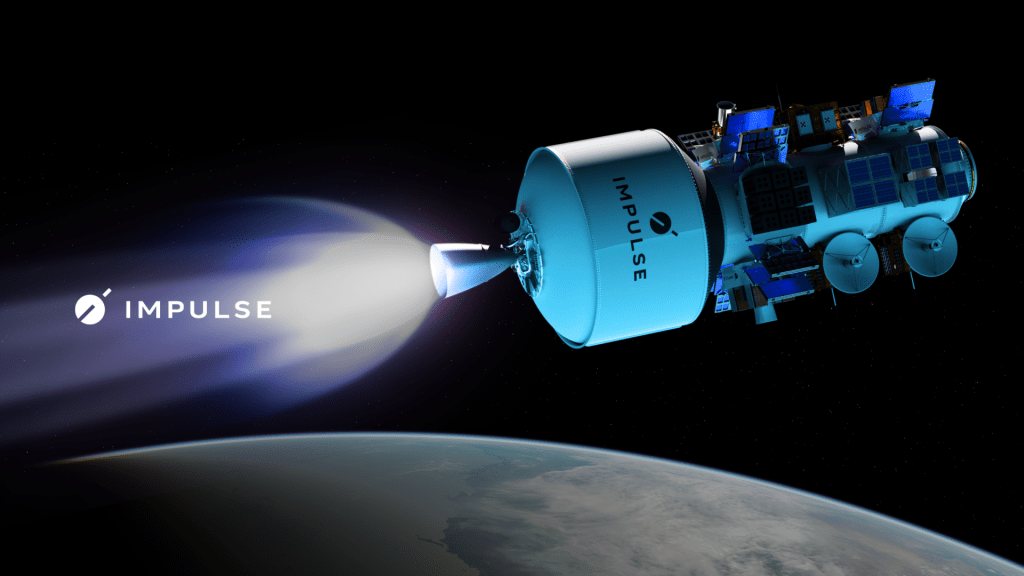
Relativity Space, based in Long Beach, California, is known for its ambitious use of 3D printing technology to manufacture rockets, including the Terran 1 and the larger, reusable Terran R vehicle currently in development. The company has already secured contracts with commercial satellite operators and NASA, and its inclusion in the NSSL program could accelerate its path to operational maturity. Impulse Space, founded by former SpaceX engineer Tom Mueller, focuses on in-space propulsion systems and orbital transfer vehicles, such as the Mira and Helios platforms, which can deliver payloads to precise orbits after launch.
The addition of these companies is part of a broader strategy by the Space Force to diversify its launch supplier base and reduce reliance on a small number of providers. The NSSL Phase 3 Lane 1 program, announced in 2023, is structured to allow for multiple awards and frequent competition, with the goal of driving down costs and increasing innovation. Under this framework, companies compete for task orders rather than long-term contracts, enabling the Space Force to select the best launch solution for each specific mission.
This development comes at a time when the U.S. military is increasingly dependent on space-based capabilities for communications, navigation, intelligence, and missile warning. The Space Force has emphasized the need for resilient and responsive launch services, particularly as potential adversaries develop anti-satellite weapons and other counterspace technologies. By integrating newer companies into the national security launch ecosystem, the military aims to maintain its technological edge and ensure that it can rapidly replace or augment satellites if needed.
Relativity Space and Impulse Space join a growing list of companies already participating in Lane 1, including SpaceX, United Launch Alliance, Blue Origin, and others. The program is separate from Lane 2, which focuses on heavier, more complex missions that require the highest level of reliability and performance. Lane 1 missions are typically less demanding but still require rigorous certification and security protocols.
The Space Force has not disclosed the specific value or number of task orders that may be awarded under the new additions, but industry analysts expect that both companies will begin competing for contracts in the near term. Relativity Space has been working toward the first launch of its Terran R rocket, which is designed to be partially reusable and capable of carrying payloads of up to 23,500 kilograms to low Earth orbit. Impulse Space, meanwhile, has been developing its orbital transfer vehicles to provide last-mile delivery services for satellites launched by other rockets.
The inclusion of these companies also reflects a broader trend in the space industry, where venture-backed startups are increasingly challenging established players. Both Relativity Space and Impulse Space have raised significant private capital, and their participation in government programs could provide the revenue stability needed to scale their operations. However, they will need to meet strict security and performance standards set by the Space Force, including cybersecurity requirements and mission assurance reviews.
The NSSL Phase 3 Lane 1 program is expected to run through 2028, with options for extension. The Space Force has stated that it will continue to evaluate and add new providers as the market evolves, ensuring that the United States maintains a robust and competitive launch industrial base. The addition of Relativity Space and Impulse Space marks another step in that ongoing effort, bringing fresh capabilities and perspectives to the national security space enterprise.
114