SpaceX and NASA have postponed the next astronaut launch to the International Space Station after engineers detected a leak in the Dragon spacecraft. The mission, which was set to carry a fresh crew to the orbiting laboratory, will now lift off no earlier than later this month, giving teams time to investigate the issue and complete any necessary work.
The leak was identified in the Dragon capsule's systems during prelaunch preparations at NASA's Kennedy Space Center in Florida. Officials did not specify the exact location or cause of the leak, but they said it does not pose an immediate threat to the spacecraft or the crew. The decision to delay was made to follow standard safety procedures and ensure the vehicle is fully ready before flight.
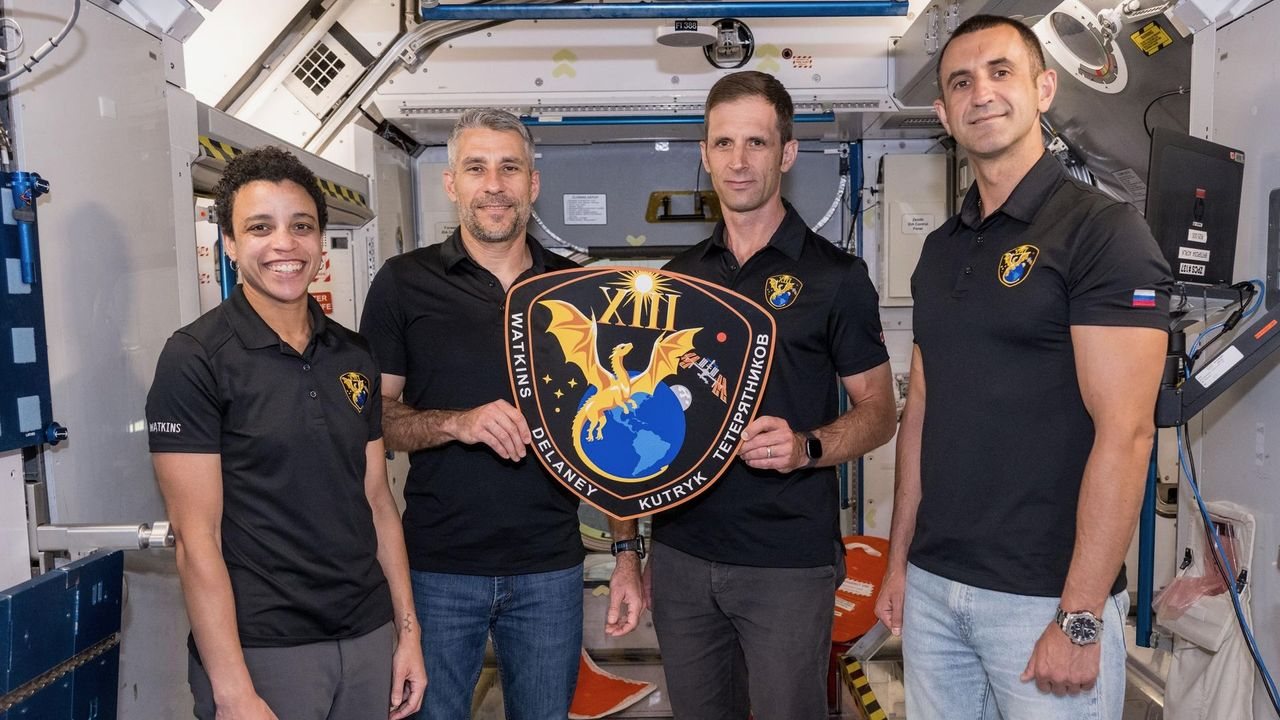
This mission, known as Crew-10, will transport four astronauts to the ISS for a planned six-month stay. The crew includes NASA astronauts Anne McClain and Nichole Ayers, JAXA's Takuya Onishi, and Roscosmos cosmonaut Kirill Peskov. They will join the current Expedition 72 crew aboard the station, which has been operating with a reduced complement in recent months.
The delay also affects the return of the Crew-9 astronauts currently on the ISS. NASA had planned to use the new Dragon capsule to facilitate a handover, and the postponement means the Crew-9 members, including astronauts Suni Williams and Butch Wilmore, will remain in orbit longer than originally scheduled. Williams and Wilmore have been on the station since June 2024 after their Boeing Starliner test flight encountered technical problems, and their stay has already been extended multiple times.
SpaceX has a history of launching crews to the ISS under NASA's Commercial Crew Program, which began regular astronaut rotations in 2020. The program was designed to provide reliable and cost-effective access to the station after the retirement of the space shuttle. Delays due to technical issues are not unprecedented; previous missions have been pushed back for reasons ranging from weather to ground equipment problems.
The leak is the latest in a series of technical challenges for SpaceX's Dragon fleet. In 2023, a Dragon capsule experienced a similar issue during a cargo mission, though that flight was ultimately successful. The company has not indicated whether the current problem is related to that earlier incident, and engineers are still analyzing data from the spacecraft.
NASA and SpaceX have not announced a new target date beyond the revised window, but officials said the delay will not affect the overall ISS schedule significantly. The station remains fully operational, and the current crew has sufficient supplies and resources to continue their work. The next launch opportunity will be confirmed after the leak investigation is complete and the spacecraft is cleared for flight.
The mission is part of ongoing international cooperation in space, with astronauts from the United States, Japan, and Russia flying together. The ISS has been continuously inhabited since 2000, serving as a platform for scientific research in biology, physics, astronomy, and medicine. Each crew rotation is critical for maintaining the station's operations and advancing long-duration spaceflight knowledge, which will be essential for future missions to the Moon and Mars.
While the delay is a setback, both agencies emphasized that safety remains the top priority. The extra time allows engineers to thoroughly assess the leak and implement fixes, ensuring the crew travels on a spacecraft that meets all requirements. The public will be informed of the new launch date once it is finalized.
83