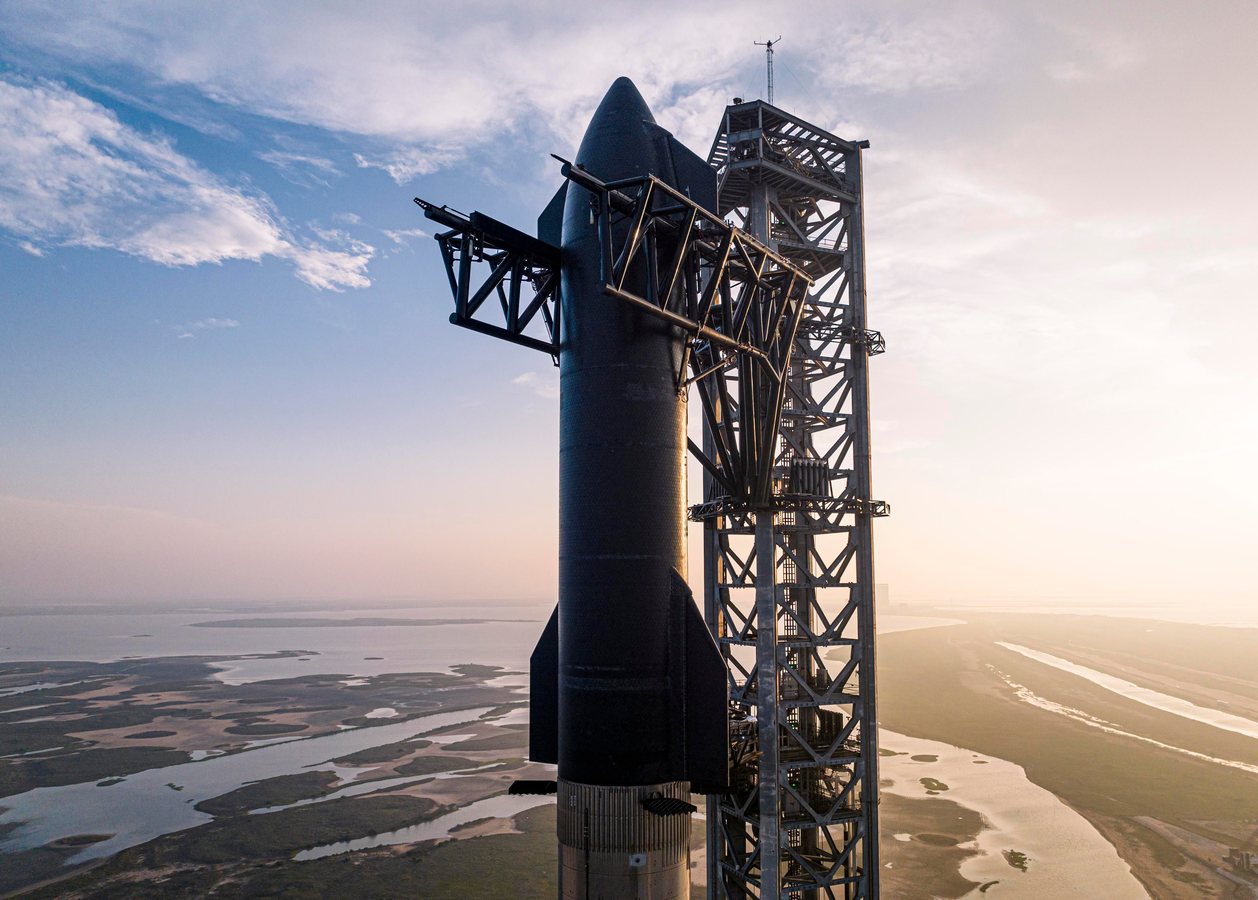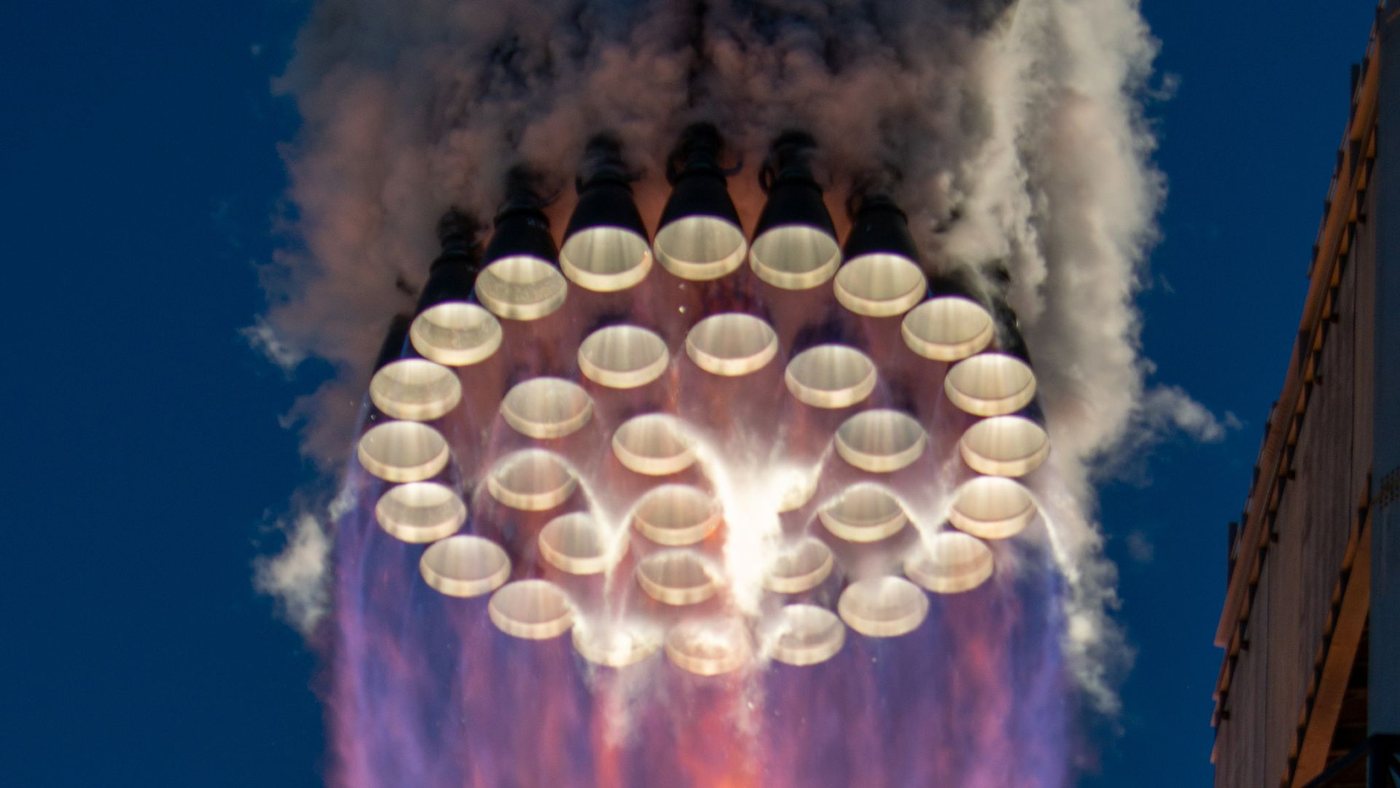
SpaceX has caught the upper stage of its Starship rocket using mechanical arms on a launch tower in Texas, a milestone for the company's effort to build a fully reusable megarocket. The catch took place on Saturday and ended a 22-hour mission in which the upper stage circled Earth 14 times before coming back.
The arms on the tower, nicknamed "chopsticks", grabbed the bullet-shaped upper stage, which measures 171 feet, or 52 metres, tall. Recovering the vehicle this way, rather than letting it splash down or touch down on the ground, is central to the design SpaceX has been testing since the program began. The flight was the 15th test of Starship.
The mission was not an unqualified success. The booster, the larger first stage that lifts the rocket off the ground, exploded during the flight. Its own attempt to be caught by the chopsticks was aborted as a result. SpaceX is investigating the cause, and a guidance problem is suspected, though the root cause of the failure had not been confirmed when the details were reported.
The company's ultimate goal is to make Starship safe enough to carry people, and both reusing and recovering the vehicles are steps toward lowering the cost of spaceflight. The upper stage's successful return shows the catch system can work on a vehicle returning from orbit. Details of the next test steps for Starship have not yet been made public.
Credit. Based on reporting for BBC Science and Environment. Is this your work? Write to us.
29