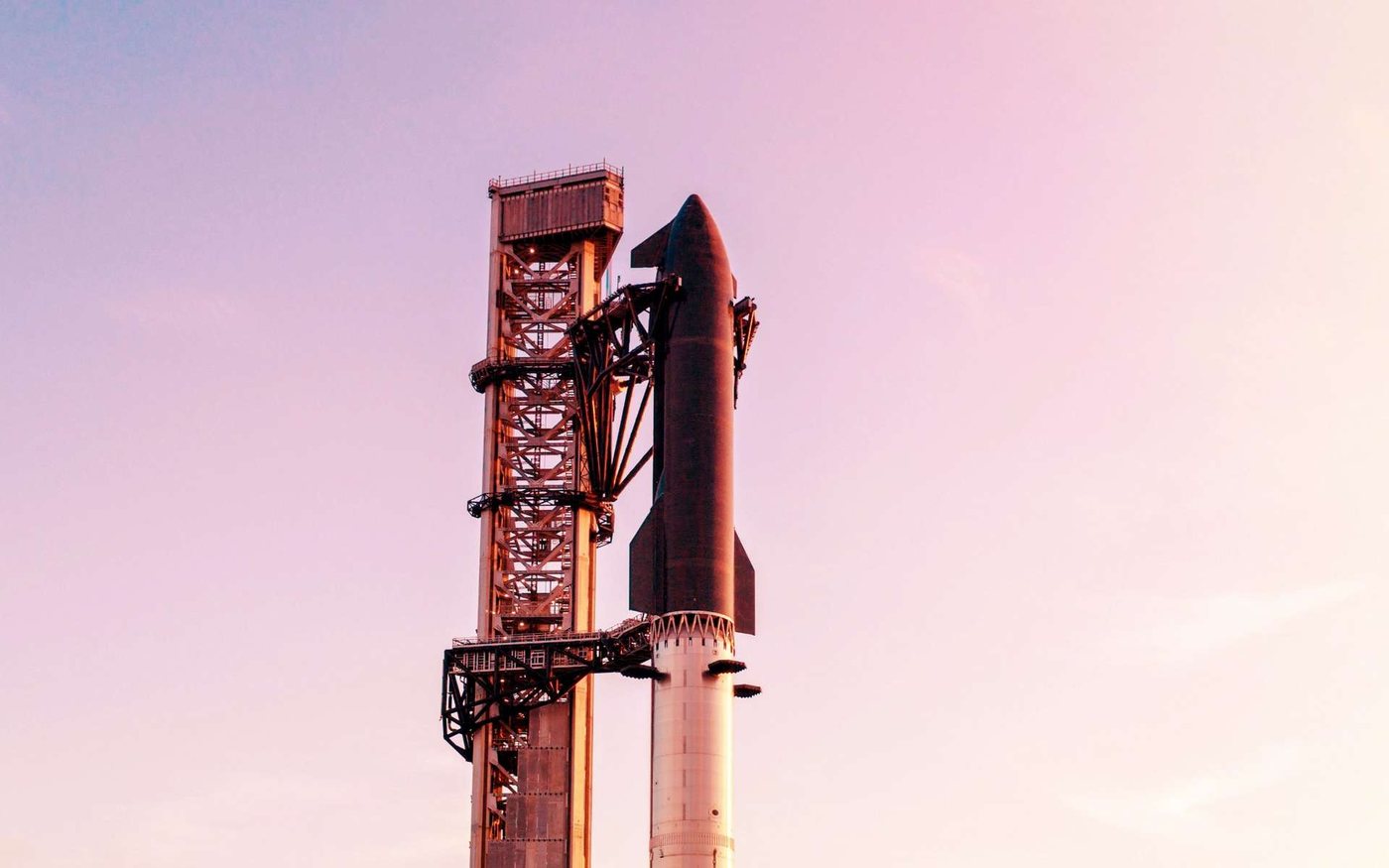
SpaceX is preparing to attempt the first orbital flight of its Starship vehicle, a mission that would mark a major step for the largest and most powerful rocket ever built. The flight, designated Flight 14, is scheduled to lift off at 7:15 a.m. CDT on Sept. 28 from Starbase in Texas, with a 75-minute launch window and backup opportunities from Sept. 29 through Oct. 4.
Unlike the previous 13 test flights, which followed suborbital trajectories to ensure the vehicle would reenter the atmosphere even if control was lost, Flight 14 will send Starship into orbit. The ship is expected to deploy 26 Starlink V3 satellites into an operational orbit before performing a deorbit burn and splashing down in the South Pacific Ocean. The booster will attempt a boost-back and landing burn, continuing a test program that has seen mixed results in recent flights.
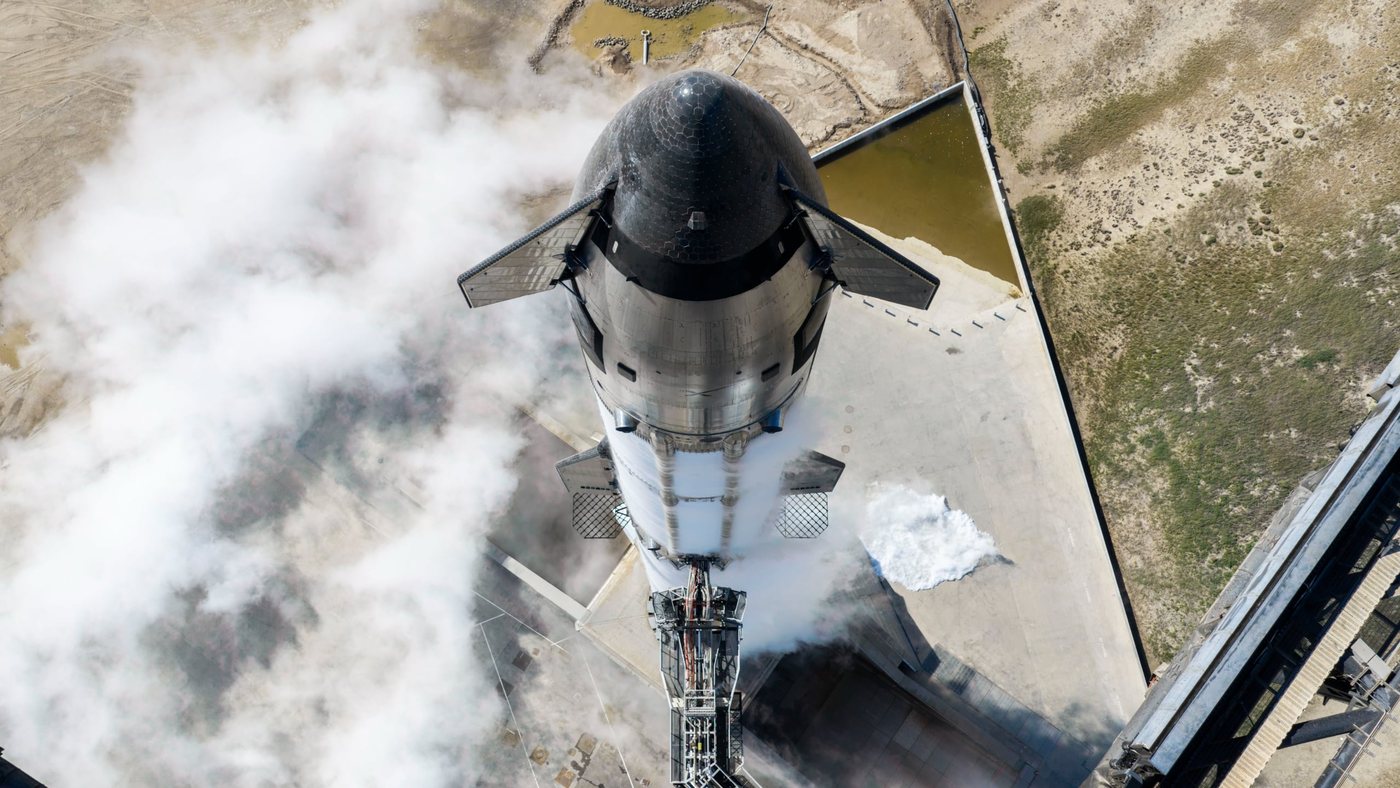
The two most recent flights highlighted both progress and persistent challenges. Flight 12, the first Block 3 Starship stack to fly, saw Booster 19 lost during its landing burn after boost-back issues, while Ship 39 lost a Raptor Vacuum engine during ascent but still completed its ascent burn, deployed its payload, and made an on-target splashdown in the Indian Ocean. Flight 13 went further: Booster 20 completed a perfect ascent and started all engines for the boost-back burn, but ice ingestion cut the burn short, and the booster failed to ignite all engines during landing, exploding in the Gulf. Ship 40, however, completed a flawless ascent, deployed all 20 Starlink V3 satellites, and survived reentry to splash down intact — a result that surprised SpaceX engineers. Ship 40 was later recovered and is being returned to port for study.
SpaceX has used the suborbital campaign to mature the vehicle and ground infrastructure. Engineers tested payload deployment with dummy V3 satellites and full V3 Starlink satellites, conducted in-space Raptor engine relights that simulated a deorbit burn, and gathered heat-shield data during controlled reentries. Those data informed changes such as adding ablative material under the tiles and eliminating heat shield seams. The program has also led to a redesigned launch pad, now being built at three pads at Cape Canaveral and at least 10 planned at Starbase, as well as a clean-sheet Block 3 booster with an integrated hotstage ring and an upgraded ship designed for longer-duration orbital missions and eventual return to the launch site.
For this mission, SpaceX obtained an updated launch license from the Federal Aviation Administration. The revised license, No. VOL 23-129 Rev 9.0, splits launch and reentry into two orders under the same license, reflecting the new Part 450 of the Federal Aviation Regulations. Order A-1 covers initial liftoff and suborbital flight, while Order A-2 authorizes reentry from orbit and splashdown in the Pacific Ocean, including a zone north of Hawaii and an intended zone off the coast of Chile. The license applies only to Flight 14, so SpaceX will need further modifications for subsequent flights. Eventually, the FAA is expected to add Launch Complex 39A to the license.
Road and beach closures for the launch are notably shorter than in past campaigns, with closures running from 4 a.m. to 10 a.m. CDT — a sign, the company says, of improved efficiency at its new tank farm and range operations. If successful, the flight would not only validate Starship's orbital capabilities but also begin operational deployment of the next-generation Starlink satellites, bringing SpaceX closer to its goal of a fully reusable, high-cadence launch system.
20