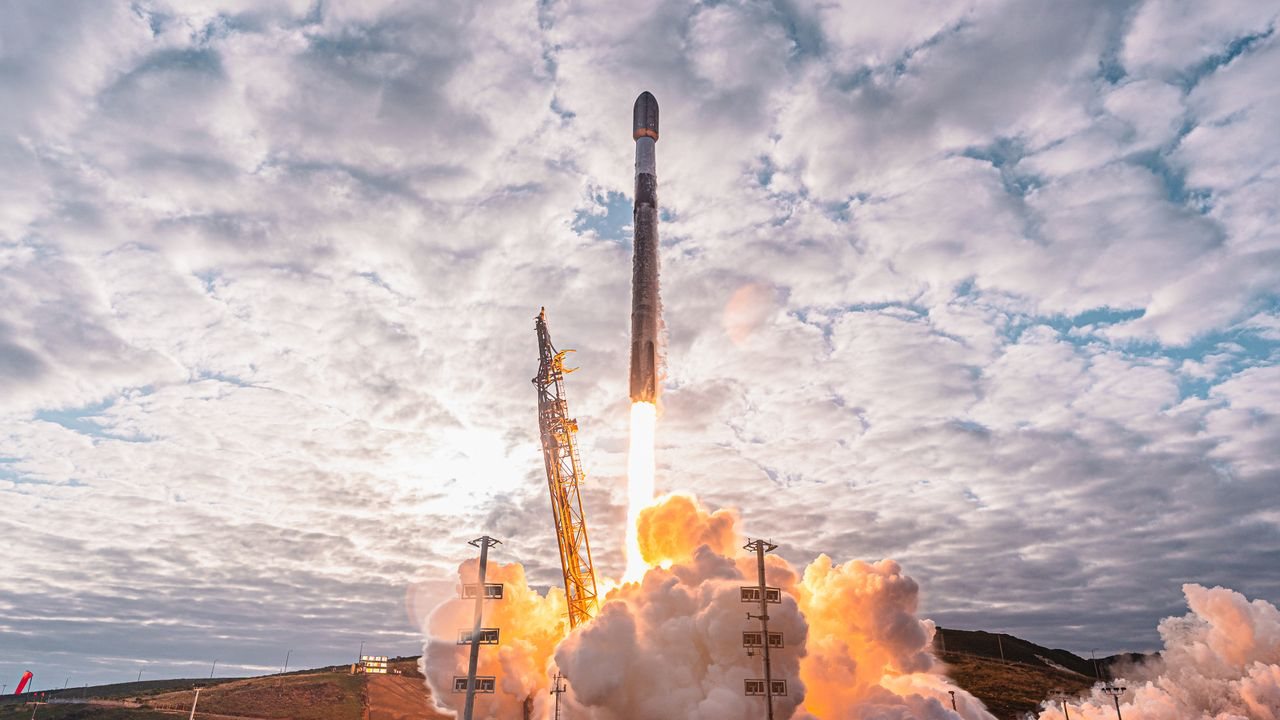
SpaceX is preparing to launch 21 satellites for the US military today from Cape Canaveral Space Force Station in Florida, marking another step in the Pentagon's effort to build a resilient, low-Earth orbit communications network. The mission, designated Tranche 1 Transport Layer (T1TL) and also known as TITL-3, will deploy the spacecraft for the Space Development Agency (SDA), a branch of the US Space Force focused on rapidly fielding new space capabilities.
The Falcon 9 rocket is scheduled to lift off during a window that opens at 8:00 a.m. EST (1300 GMT), with backup opportunities available later in the morning. The launch will be streamed live on SpaceX's website and social media channels, beginning about 15 minutes before liftoff. Weather conditions at the Cape are expected to be favorable, with a 70 percent chance of acceptable conditions for launch, according to the 45th Weather Squadron.
The 21 satellites are part of the SDA's Transport Layer, a constellation of small, mass-produced spacecraft designed to provide global, low-latency data connectivity for military users. The Transport Layer is a key component of the SDA's Proliferated Warfighter Space Architecture (PWSA), which aims to create a mesh network in low-Earth orbit that can support a wide range of missions, including missile warning, targeting, and beyond-line-of-sight communications. The satellites are built by multiple contractors, including Lockheed Martin and York Space Systems, as part of the SDA's strategy to leverage commercial manufacturing techniques for rapid deployment.
This launch is the third in a series of Tranche 1 Transport Layer missions. The first two launches, which took place in 2023 and early 2024, deployed a total of 19 satellites. Once fully deployed, the Tranche 1 constellation will consist of approximately 150 satellites, providing initial operational capability for the PWSA. The SDA plans to follow Tranche 1 with Tranche 2, which will add more advanced capabilities, including enhanced data throughput and improved resilience against jamming and other threats.
The mission is also notable for SpaceX's ongoing efforts to recover and reuse the Falcon 9 first stage. The booster supporting this launch has flown multiple previous missions, including earlier SDA launches and commercial satellite deployments. After stage separation, the first stage will attempt to land on the droneship «Just Read the Instructions» stationed in the Atlantic Ocean. If successful, this will mark another milestone in SpaceX's reusable rocket program, which has significantly reduced the cost of access to space.
The SDA's approach to building the Transport Layer represents a shift from traditional military satellite programs, which often take years or decades to develop and deploy. By using smaller, cheaper satellites built on standardized platforms, the agency aims to field new capabilities every two years, staying ahead of potential adversaries. The constellation is designed to be resilient to attack, with many satellites providing redundancy so that the loss of a few does not degrade overall performance.
The launch comes amid growing competition in space, with both China and Russia developing their own constellations of small satellites for military and civilian purposes. The US Space Force has emphasized the need for a robust, proliferated architecture to ensure that American forces can communicate and operate effectively in contested environments. The Transport Layer is expected to play a critical role in connecting sensors, shooters, and command centers across all domains, including land, sea, air, and space.
Following deployment, the 21 satellites will undergo a series of checkouts and maneuvers to reach their operational orbits. The SDA expects the Tranche 1 constellation to achieve initial operational capability by late 2025, with full operational capability following the completion of Tranche 2 launches later this decade. The agency has already awarded contracts for Tranche 2, which will include additional satellites with advanced optical intersatellite links and other upgraded features.
SpaceX has been a key partner for the SDA, launching multiple batches of Transport Layer satellites on Falcon 9 rockets. The company's ability to launch frequently and at relatively low cost has been essential to the agency's rapid deployment schedule. In addition to the Transport Layer, SpaceX has also launched other SDA missions, including the Tracking Layer, which focuses on missile warning and tracking.
For viewers interested in watching the launch, SpaceX will provide a live webcast on its official website and on X (formerly Twitter). The broadcast will include commentary on the mission timeline, stage separation, and satellite deployment. The launch window extends for about two hours, providing multiple opportunities for liftoff if needed. The SDA has not disclosed the exact orbital parameters for the satellites, but they are expected to operate at an altitude of approximately 1,200 kilometers (746 miles) in low-Earth orbit.
93