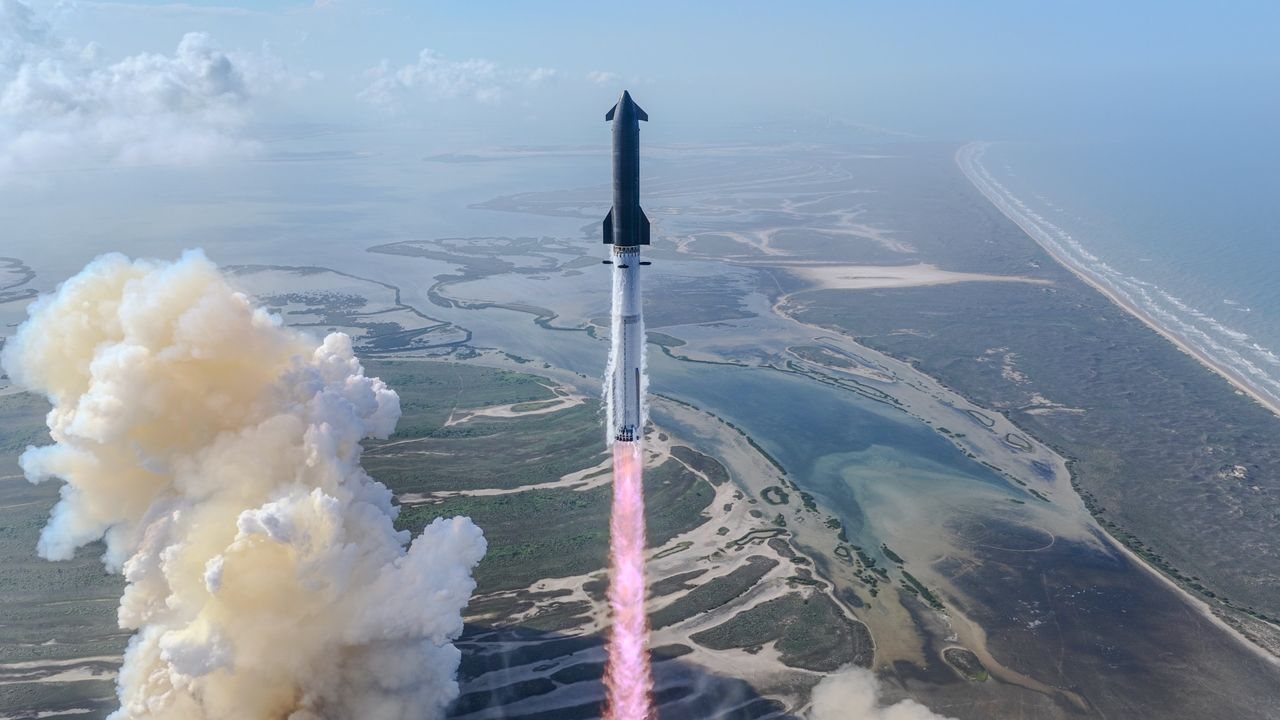
SpaceX is set to launch the 13th test flight of its Starship vehicle on July 16, continuing the company's ambitious campaign to develop the world's most powerful rocket. The launch, which will take place from the company's Starbase facility in Boca Chica, Texas, represents another step in the iterative testing process that has characterized the Starship program since its first integrated flight in April 2023.
The Starship system, consisting of the Super Heavy booster and the Starship upper stage, is designed to be fully reusable and capable of carrying large payloads to orbit, the Moon, and Mars. Each test flight aims to push the vehicle's capabilities further, with Flight 13 expected to include several key objectives that build on lessons learned from previous missions.
SpaceX has not released a specific launch window for Flight 13, but the company typically targets a two-hour window beginning in the morning local time. The Federal Aviation Administration, which licenses commercial launches, will need to approve the flight plan before liftoff. The company has been working closely with regulators to ensure compliance with safety and environmental requirements.
Previous Starship test flights have achieved significant milestones, including the first successful booster catch during Flight 5 in October 2024, where the Super Heavy booster returned to the launch mount and was secured by the launch tower's mechanical arms, known as «chopsticks.» Flight 6 in November 2024 saw a similar booster catch attempt, though the booster ultimately diverted to a splashdown in the Gulf of Mexico after an automated abort. Flight 7 in January 2025 ended with the upper stage breaking apart over the Caribbean, while Flight 8 in March 2025 also experienced an upper stage failure. Flight 9 in April 2025 successfully demonstrated a booster catch and deployed four dummy satellites, marking a major step forward. Flight 10 in May 2025 achieved another booster catch and deployed a single Starlink simulator, while Flight 11 in June 2025 saw the booster caught again but the upper stage lost during reentry. Flight 12, which took place in early July 2025, successfully completed its primary objectives, including a booster catch and upper stage reentry, setting the stage for Flight 13.
For Flight 13, SpaceX is expected to focus on refining the booster landing sequence and testing improvements to the upper stage's heat shield and control systems. The company has been iterating on the vehicle's design based on data from each flight, with particular attention to the thermal protection system that must withstand the extreme temperatures of reentry. The upper stage is also likely to carry a payload, possibly a batch of Starlink satellites or other test articles, as SpaceX moves toward operational use of the vehicle.
The Starship program is central to SpaceX's long-term goals, including NASA's Artemis program, which plans to use a modified Starship as the Human Landing System for lunar missions. The vehicle's large payload capacity and full reusability are seen as key enablers for reducing the cost of access to space and supporting human exploration beyond Earth orbit. NASA has awarded SpaceX contracts worth billions of dollars to develop the lunar lander version, and successful test flights are critical to meeting the agency's timelines.
SpaceX founder and CEO Elon Musk has stated that the company aims to achieve rapid reusability with Starship, with the goal of launching multiple times per day. Each test flight brings the company closer to that vision, though significant technical challenges remain, including perfecting the booster catch mechanism, ensuring reliable upper stage reentry, and demonstrating in-space refueling, which will be necessary for deep space missions.
For those wishing to watch the launch, SpaceX typically provides a live webcast on its website and social media channels, beginning about 30 minutes before liftoff. The webcast includes commentary from SpaceX engineers and hosts, as well as views from cameras on the launch tower and the vehicle itself. Local residents in the Boca Chica area may also be able to view the launch from designated public viewing areas, though access is restricted for safety reasons.
The launch of Flight 13 comes amid a busy period for SpaceX, which is also conducting regular Falcon 9 launches for Starlink and other customers, as well as preparing for the next crewed mission to the International Space Station. The company's ability to manage multiple programs simultaneously while pushing the boundaries of rocket technology has made it a dominant force in the commercial space industry.
As the launch date approaches, SpaceX will likely provide updates on the specific timing and any changes to the flight plan. The company's iterative approach means that each flight is treated as a test, with success defined not by perfection but by the data gathered and the lessons learned. Flight 13 will be no exception, offering another opportunity to advance the development of a vehicle that could reshape humanity's access to space.
94