A dramatic decline in Stack Overflow questions has become one of the clearest natural experiments in how generative AI changes public knowledge production. The headline number is often misstated: there is no verified 98.5% collapse in total Stack Overflow web traffic. The near-99% decline is in new questions compared with historical peak activity.
At the platform’s 2014 high, users posted more than 6,700 questions per day. In May 2026, the daily average was about 42. Research examining post-ChatGPT behaviour finds that the release of large language models accelerated an existing decline in contributions. Another line of research describes this as a potential threat to digital public goods because private model interactions can substitute for public posts.
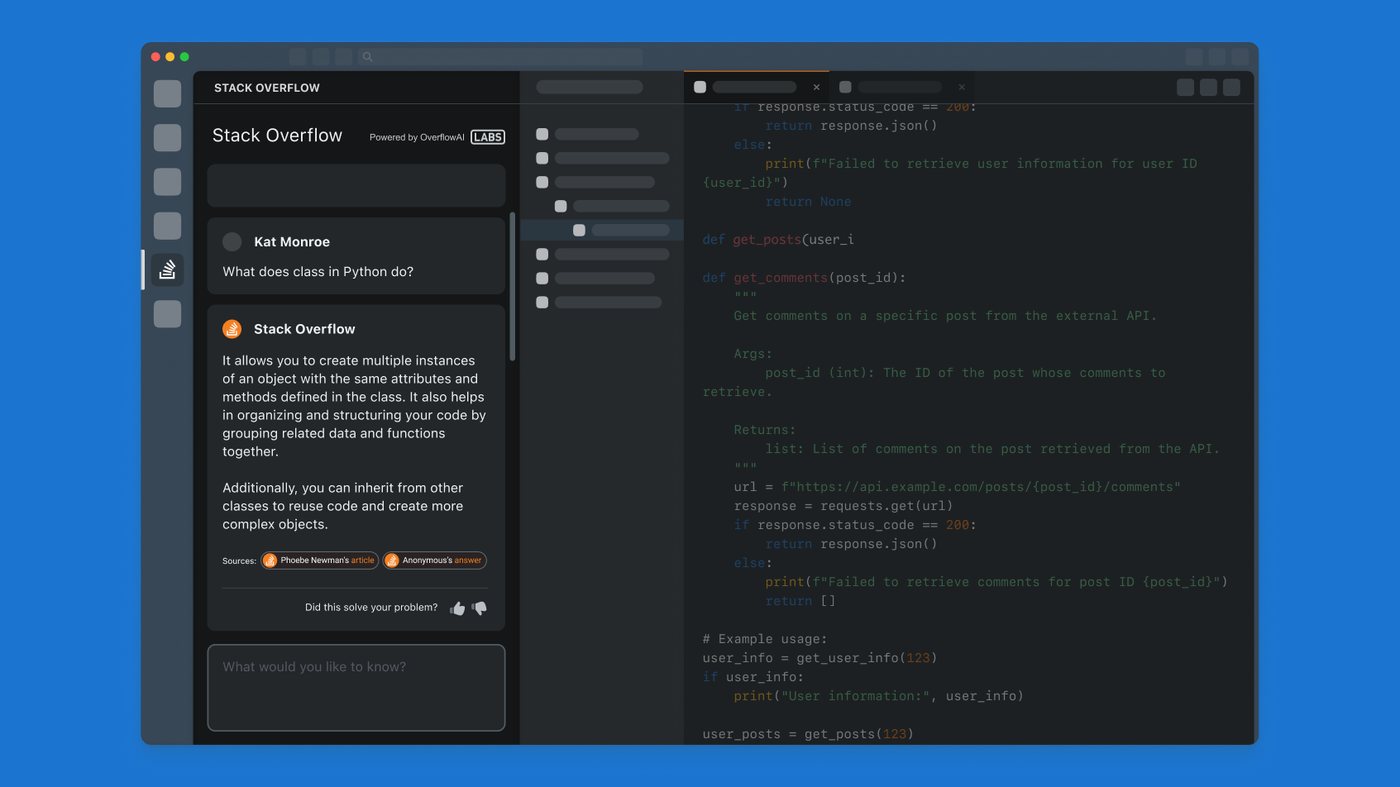
The mechanism is straightforward. A routine programming problem once generated a public record: a question, proposed answers, votes, corrections and later edits. A chatbot can resolve the same problem privately. The individual user may receive a faster response, but the ecosystem loses a new labelled example of human reasoning and peer review.
That has implications for AI itself. Large models have benefited from enormous bodies of openly accessible text, code, documentation and discussion. If future questions are increasingly answered in closed systems rather than published, the supply of fresh, human-generated, openly inspectable material may decline. The feedback loop becomes paradoxical: the tool that learned from the public web can reduce the production of the next generation of public web data.
The shift is occurring at scale. Similarweb estimates generative AI services averaged about 9.5 billion web visits per month from June 2025 through May 2026, up roughly 70% year over year. Cloudflare reports that AI crawling now consumes large volumes of web content while producing comparatively limited referral traffic back to publishers.
However, the evidence does not imply that human expertise is obsolete. Stack Overflow says more than 80% of developers still visit the platform regularly, and 75% seek another human when they do not trust an AI answer. That pattern is consistent with a division of labor: models absorb routine questions, while public communities retain value for ambiguous, novel and high-stakes problems.
There is also evidence that interface design can alter the economics. Similarweb recorded a roughly threefold increase in ChatGPT referral traffic after source links became more prominent in May 2026. That suggests AI systems do not inherently have to sever the link between synthesized answers and original evidence.
The scientific question is therefore no longer simply whether AI can answer a programming question. It is how an AI-rich information environment changes human contribution, verification and the renewal of training data. The long-term health of machine intelligence may depend on preserving the very public human knowledge systems that make private AI answers possible.
106