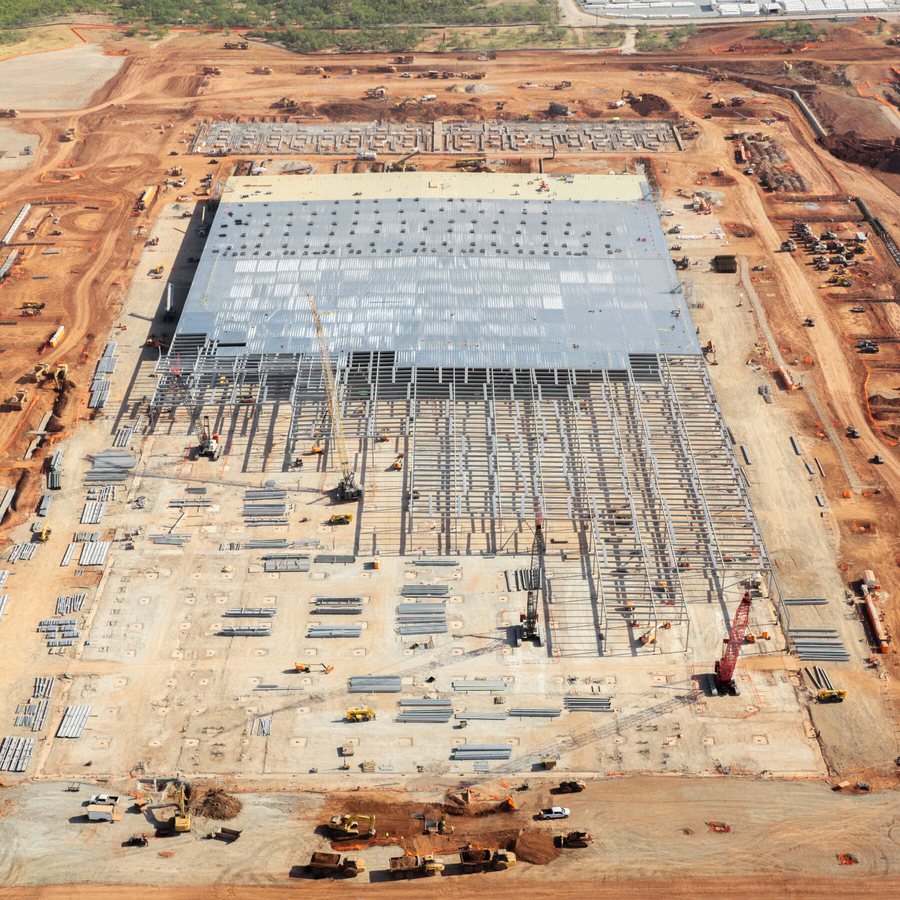
The rapid expansion of artificial intelligence is creating a new kind of global risk, one measured not in emissions alone but in the enormous electricity demand of the data centers that power it. A data center under construction in Texas has become a visible symbol of the tension between the technology's promise and its environmental cost.
AI systems require vast amounts of computing power, and that power comes with a growing appetite for energy. The facilities that house these systems consume electricity on a scale that rivals small cities, and the demand is rising as models grow larger and more complex. This has led some observers to frame AI as a threat comparable to climate change, not because it replaces the climate crisis but because it adds a new and rapidly growing source of pressure on energy grids and carbon budgets.
The comparison is not about emissions from AI alone. It is about the broader pattern of resource consumption that accompanies the technology's spread. Data centers need not only electricity but also water for cooling, land for construction, and infrastructure for connectivity. Each of these requirements carries environmental consequences that extend beyond the immediate footprint of the buildings themselves.
In Texas, the construction of a new AI data center illustrates how quickly these facilities are being built and how they are becoming part of the physical landscape. The project reflects a broader trend across the United States and other countries, where tech companies are racing to build capacity to train and run increasingly powerful AI models. The energy needs of these facilities are forcing utilities and grid operators to reconsider their plans for generation and transmission.
The concern is not limited to environmental groups. Some in the technology industry have acknowledged that the energy intensity of AI is a problem that must be addressed. Companies are exploring more efficient chips, better cooling systems, and renewable energy contracts to reduce the carbon intensity of their operations. But the scale of the buildout means that even with efficiency gains, total energy consumption is likely to rise.
This dynamic places AI in a complicated position. It is a tool that could help address climate change by optimizing energy systems, improving weather forecasting, and accelerating materials research. Yet the same technology is also driving demand for more power, much of which still comes from fossil fuels in many regions. The result is a paradox: AI may be part of the solution and part of the problem at the same time.
The framing of AI as a global threat alongside climate change suggests that policymakers and the public are beginning to weigh the technology's costs more seriously. The conversation is shifting from what AI can do to what it takes to make it work. That shift has implications for energy policy, environmental regulation, and the pace of AI development itself.
For now, the data center in Texas stands as a reminder that the digital and physical worlds are deeply connected. Every query answered by an AI model depends on infrastructure that consumes real resources. As the technology continues to advance, the question of how to power it without undermining climate goals will remain one of the defining challenges of the coming years.
11