Archaeologists working in Egypt's Saqqara necropolis have uncovered an intact tomb dating to the Old Kingdom period, roughly 2649 to 2150 B.C., belonging to a high-ranking official named Sekhentio-Ptah. The discovery was made in the Bubasteion Necropolis and includes a funerary chapel, a decorated false door, and a series of interconnected burial shafts containing human remains and a wealth of grave goods.
The false door is inscribed with Sekhentio-Ptah's titles, identifying him as Royal Chamberlain, Overseer of All the Works of the King, and Keeper of the Secrets of Royal Decrees. These titles indicate he held significant administrative authority in the royal court. The tomb also contained a complete collection of alabaster ritual objects, including an offering table, an offering slab, and a purification basin, all found in their original positions.
According to Hisham El-Leithy of Egypt's Supreme Council of Antiquities, the discovery of these objects in situ is particularly valuable for scholars. Finding ritual items in their original locations allows researchers to better understand the ceremonial practices and funerary traditions of the Old Kingdom, a period known for the construction of the great pyramids and the flourishing of elite tomb culture.
Excavations of the burial shafts have yielded a rich array of artifacts. Among the finds are three sealed stone sarcophagi, a wooden statue of a falcon, painted funerary cartonnage, pottery, and more than 100 faience ushabti figurines. Ushabtis were small figurines placed in tombs to serve the deceased in the afterlife, and their presence in large numbers reflects the status and wealth of the tomb owner.
Human remains recovered from the shafts are expected to provide further information about the individuals buried there, though El-Leithy noted that some of the shafts appear to have been looted in antiquity. Despite this, the tomb's main chapel and its ritual equipment remained largely undisturbed, preserving a rare complete assemblage of Old Kingdom ceremonial objects.
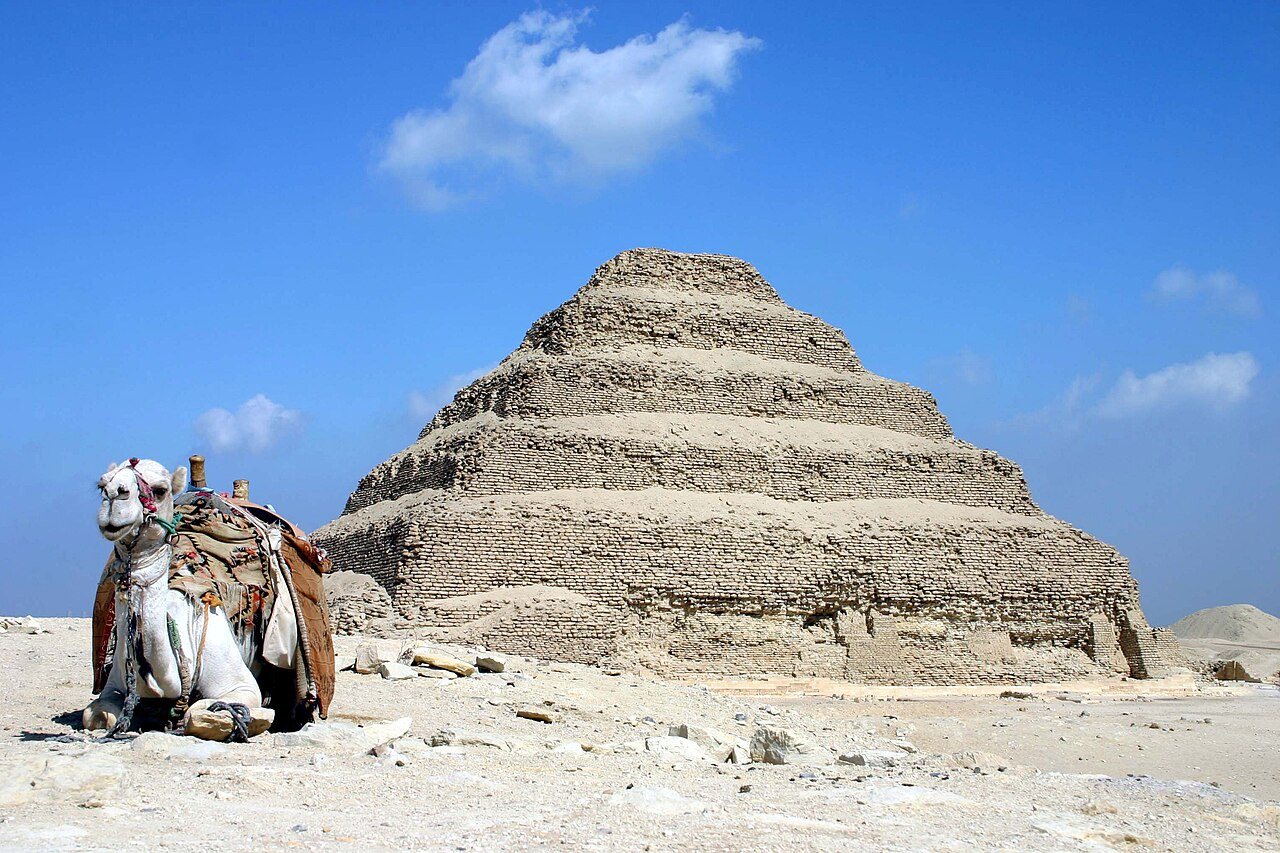
The Saqqara plateau, located south of Cairo, served as the burial ground for the ancient Egyptian capital of Memphis. The Bubasteion Necropolis, dedicated to the cat goddess Bastet, has been the site of numerous significant discoveries in recent years, including tombs of high officials and priests from various dynasties. The new find adds to the growing picture of the elite social and religious life of the Old Kingdom.
The Supreme Council of Antiquities continues to oversee the excavation and conservation of the site. Further analysis of the sarcophagi, the falcon statue, and the inscribed false door is expected to shed more light on the career of Sekhentio-Ptah and the administrative structure of the royal court during this formative era of ancient Egyptian civilization.
117