Ancient DNA analysis has finally resolved a centuries-old mystery surrounding the deaths of two prominent members of the Medici family, revealing that they succumbed to malaria in the 16th century. The findings, based on genetic material extracted from their remains, provide a definitive answer to a question that has puzzled historians for generations.
The two brothers, who were part of the powerful Florentine dynasty that ruled during the Renaissance, died within days of each other in 1553. Their sudden and simultaneous deaths had long been the subject of speculation, with theories ranging from poisoning to infectious disease. However, until now, no conclusive evidence had been found to confirm the cause.
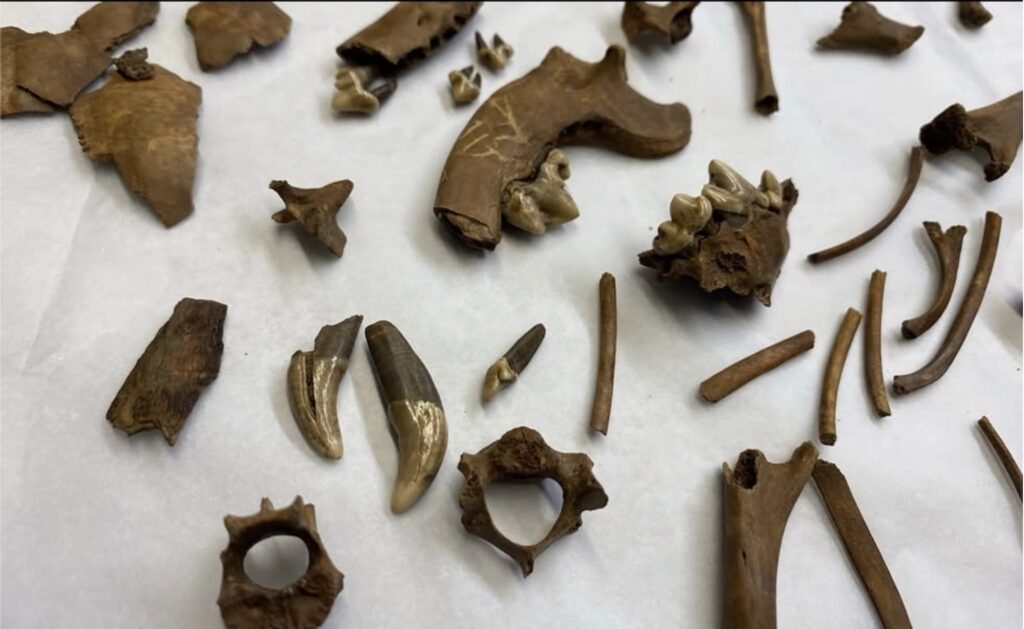
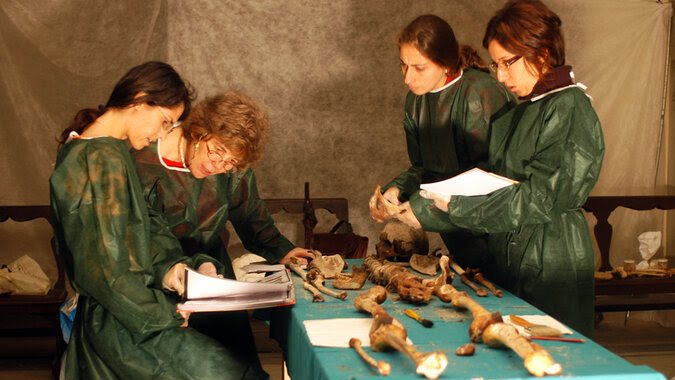
Researchers from the University of Florence and other institutions conducted the analysis, examining DNA from the brothers' skeletons. They identified genetic traces ofPlasmodium falciparum, the parasite responsible for the most deadly form of malaria. The parasite's DNA was present in the bone marrow, indicating that the brothers were infected at the time of their deaths.
The Medici brothers, whose names were not disclosed in the study, were buried in the Medici Chapels in Florence. Their tombs were opened as part of a larger project to study the health and lives of the family. The discovery not only solves a historical puzzle but also sheds light on the prevalence of malaria in Renaissance Italy.
Malaria was widespread in the region during that period, particularly in marshy areas near Florence. The disease, transmitted by mosquitoes, was a common cause of death among the wealthy and poor alike. The brothers' high social status did not protect them from the infection, which was often fatal before the advent of modern treatments.
The study, published in the journalEmerging Infectious Diseases, used advanced techniques to extract and sequence ancient DNA. The researchers had to overcome challenges such as contamination and degradation of the genetic material over centuries. Their success demonstrates the power of modern molecular methods to answer historical questions.
The Medici family, known for their patronage of the arts and their political influence, included popes, queens, and rulers. The deaths of the two brothers at a relatively young age — one in his 30s and the other in his 40s — had significant implications for the family's power dynamics. Their sudden loss may have altered the course of Florentine politics.
Historians had previously debated whether the brothers were poisoned, as was common in Renaissance court intrigues, or died of a contagious illness. The DNA evidence now rules out poisoning and confirms a natural cause. The finding also highlights the importance of interdisciplinary research, combining history, archaeology, and genetics.
The researchers noted that the brothers likely contracted malaria in the summer or early autumn, when mosquito activity was highest. Their symptoms would have included fever, chills, and anemia, leading to death within weeks. The study provides a rare glimpse into the health challenges faced by even the most privileged individuals in the past.
The Medici Chapels, where the brothers are buried, are a UNESCO World Heritage site and a popular tourist attraction. The research team hopes that their work will encourage further studies of other Medici remains, potentially revealing more about the family's health and lifestyle. The project also aims to improve techniques for detecting ancient pathogens.
This discovery is part of a growing field of ancient DNA research that has revolutionized our understanding of historical events. Similar studies have identified the pathogens behind the Black Death, the 1918 flu pandemic, and other outbreaks. The Medici case adds to this body of knowledge, showing how genetics can illuminate the past.
The findings have been welcomed by historians, who say they provide a clear answer to a long-standing question. The mystery of the Medici brothers' deaths is now solved, thanks to the careful work of scientists and the preservation of their remains. The study also serves as a reminder of the enduring impact of infectious diseases on human history.
133