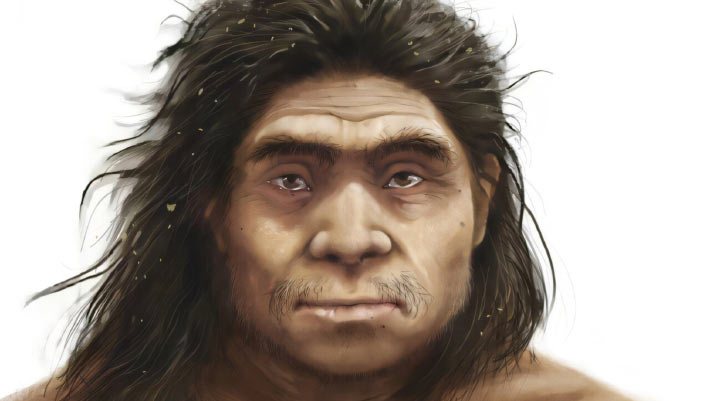
Fossils excavated at Xujiayao, a site in northern China's Nihewan Basin, have been assigned to the Denisovans, an extinct branch of the human family tree. For years, researchers disagreed over how the remains should be classified, and the new identification offers a firmer link between this ancient assemblage and a lineage that scientists have come to know mainly through genetics.
The Denisovans were first recognized from DNA extracted from fossil material found in a cave in Siberia. Since that discovery, they have been understood as a population distinct from Neanderthals and from modern humans, yet very few physical remains have been securely attributed to them. That scarcity has made the Denisovans difficult to place in the fossil record, and it has left sites like Xujiayao in an uncertain position.
The key to the new assignment is the method used. Rather than relying on DNA, which often degrades badly in old material and is frequently unavailable at sites in East Asia, the analysis drew on ancient proteins preserved in the fossils. Protein sequences can survive for far longer than DNA under many burial conditions, and they carry enough information to indicate which lineage a specimen belongs to. Using this approach, the Xujiayao remains could be tied to the Denisovans even though the traditional genetic evidence was not available.
The finding matters because it expands the known geographic and physical footprint of the Denisovans into northern China, a region where their presence had been suspected but rarely confirmed. It also shows that protein analysis can resolve questions that genetics alone cannot answer, opening a route for re-examining other fossil collections that have resisted classification. The research was reported in a summary of the findings, and further work is likely to test how widely such identifications can be made.
Credit. Based on reporting by Enrico de Lazaro for Sci.News. Is this your work? Write to us.
23