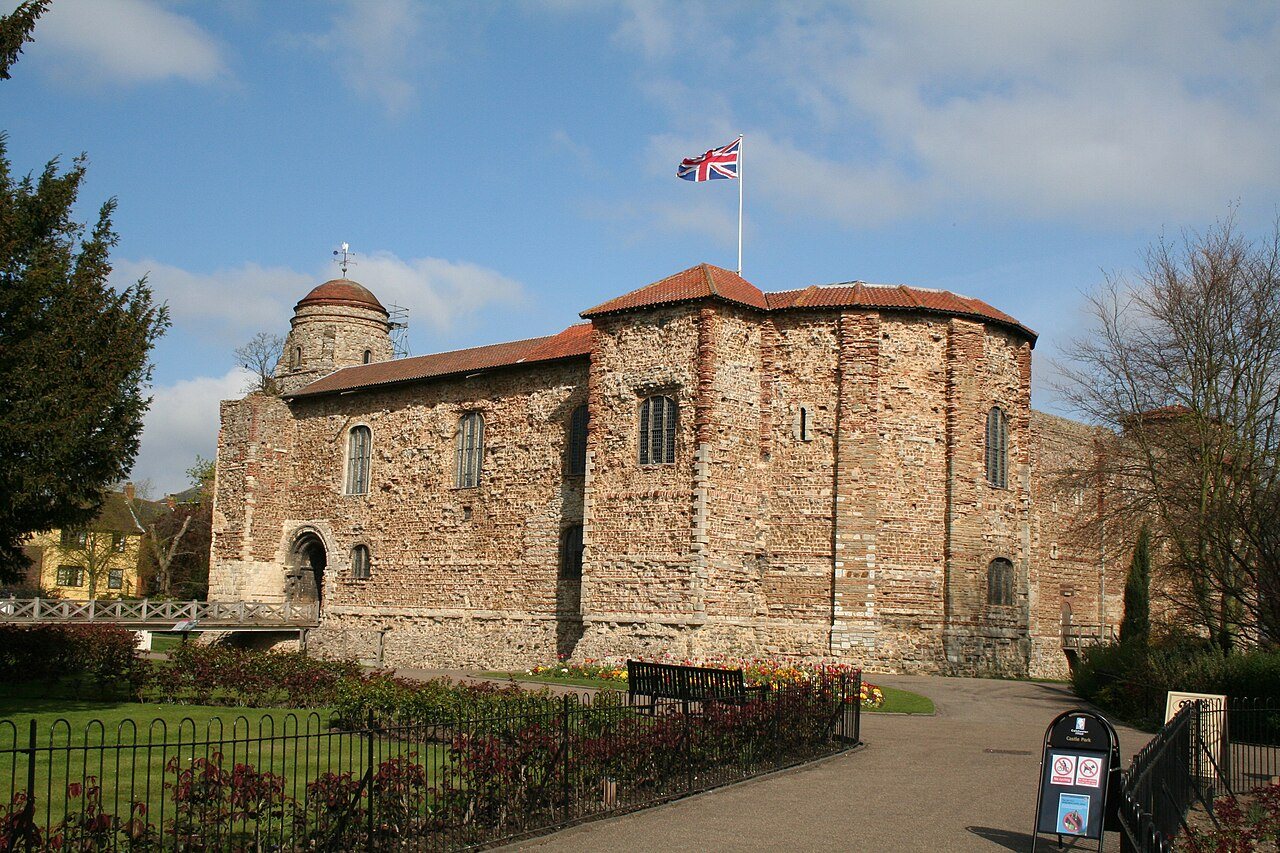
Several people buried in Colchester, the first capital of Roman Britain, grew up far from the island, according to new research led by a team at Durham University. The findings suggest that the city drew residents and visitors from across the Roman world roughly two thousand years ago.
The researchers examined the cremated remains of 22 individuals from Colchester burials. Because the bodies had been burned on funeral pyres, the team had to adapt standard methods. They used strontium and lead isotopes, which reflect the geology and environment where a person lived during childhood, to trace where each individual spent their early years. The study was led by Moore, Montgomery and Nowell, working with colleagues, and was published in the journal Royal Society Open Science.
The analysis indicated that a number of those examined had not grown up in Britain at all. Among them was a person whose remains were found in a vase now known as the Colchester Vase. The vase is decorated with scenes of gladiator contests and animal hunts, and its occupant appears to have been raised in the Mediterranean region. The researchers suggest the person may have worked as a gladiator trainer or as a patron who funded fights, although they stress that this interpretation is speculative.
The exact origins of the individuals remain unclear. Isotope signatures can point to broad regions but not always to a specific town or country, and the study does not establish how or why each person came to Colchester. Even so, the results add to a growing picture of Colchester as a cosmopolitan centre in the early Roman period, where people from distant parts of the empire lived, worked and were buried.
Credit. Based on reporting by Jessica Esther Saraceni for Archaeology Magazine. Is this your work? Write to us.
21