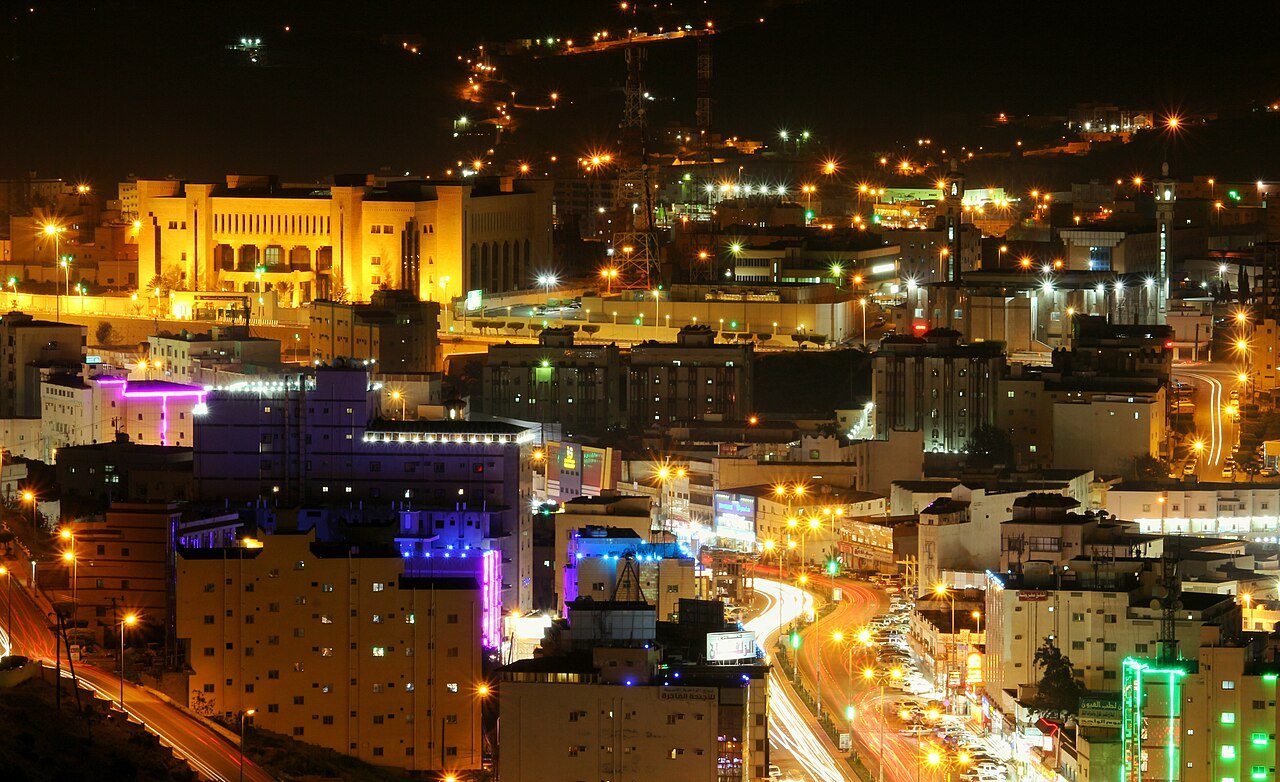
Archaeologists working in Saudi Arabia have uncovered one of the region's earliest known mosques, a stone building dating to the seventh or early eighth century. The discovery was announced by the Saudi Heritage Commission and was made at Al Maallamah, in the Al-Baha province in the southwest of the country.
The mosque measures roughly 50 by 30 feet and was built from dressed granite. It has three main entrances, a minaret and a prayer niche, known as a mihrab, which marks the direction of prayer. Such features help researchers trace how early Islamic religious architecture took shape in the Arabian Peninsula, and the layout is said to offer a new perspective on regional building practices of that period.
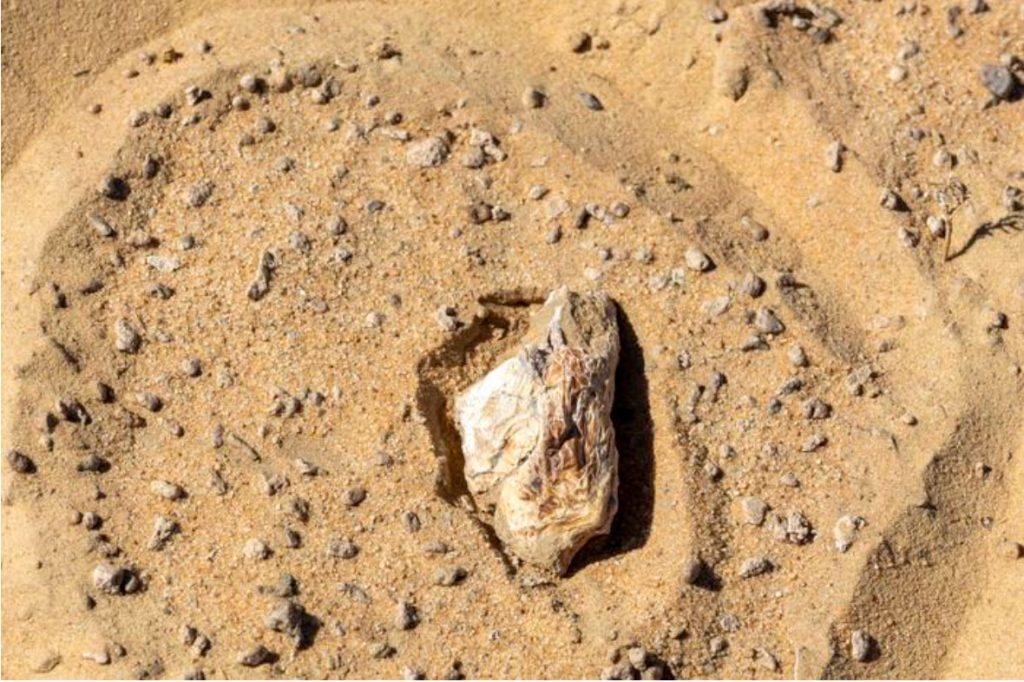
Inscriptions in Arabic survive on the walls, among them a blessing upon the Prophet Muhammad. Excavators also recovered fragments of soapstone and pottery, along with stone tools, pestles and grinding stones. Together, these finds point to daily life among the people who worked and worshipped at the site.
Al Maallamah was a mining center between the sixth and ninth centuries, where gold, silver and copper were extracted. The mosque's presence there suggests that religious life developed alongside the economic activity that drove the settlement. The details so far come from a secondary news report, and the primary scientific publication describing the excavation has not yet been identified, so some findings may be refined as fuller documentation emerges.
We rewrote this story on 4 November 2026 after an editorial review.
Credit. Based on reporting by Jason Urbanus for Archaeology Magazine. Is this your work? Write to us.
217