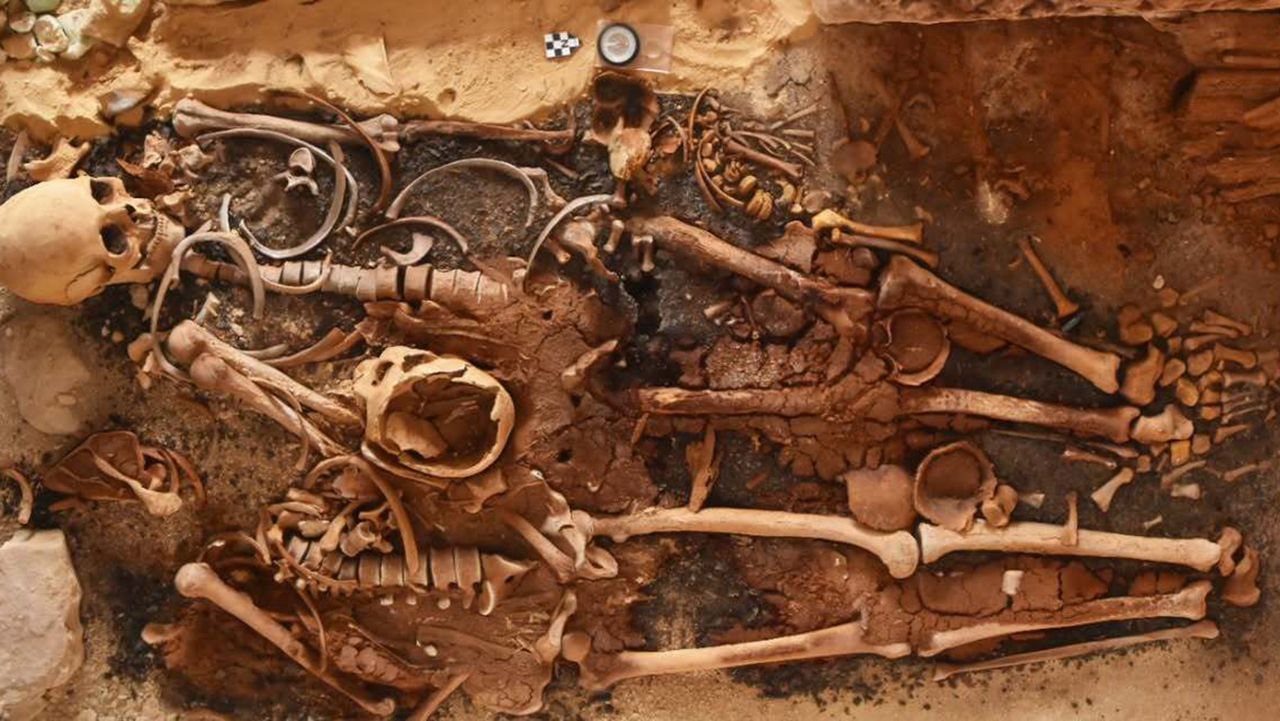
Archaeologists working along Egypt's Mediterranean coast have uncovered 18 ancient tombs containing dozens of gold foil amulets shaped like tongues, a discovery that sheds new light on burial practices during the Ptolemaic period. The tombs, found at the Taposiris Magna temple complex near Alexandria, date back more than 2,000 years and include both human and animal remains.
The gold tongue amulets were placed inside the mouths of the deceased, a practice rooted in ancient Egyptian beliefs about the afterlife. According to Egyptian mythology, the dead needed to be able to speak in the underworld to address the god Osiris, the ruler of the afterlife. The gold tongues were intended to ensure that the deceased could communicate effectively and pass the judgment required to enter the realm of the dead.
The Egyptian Ministry of Tourism and Antiquities announced the find earlier this week, describing it as one of the most significant discoveries at the site in recent years. The excavation team, led by researchers from the University of Santo Domingo and the Egyptian Ministry, also uncovered a series of burial shafts and chambers that had remained sealed for millennia.
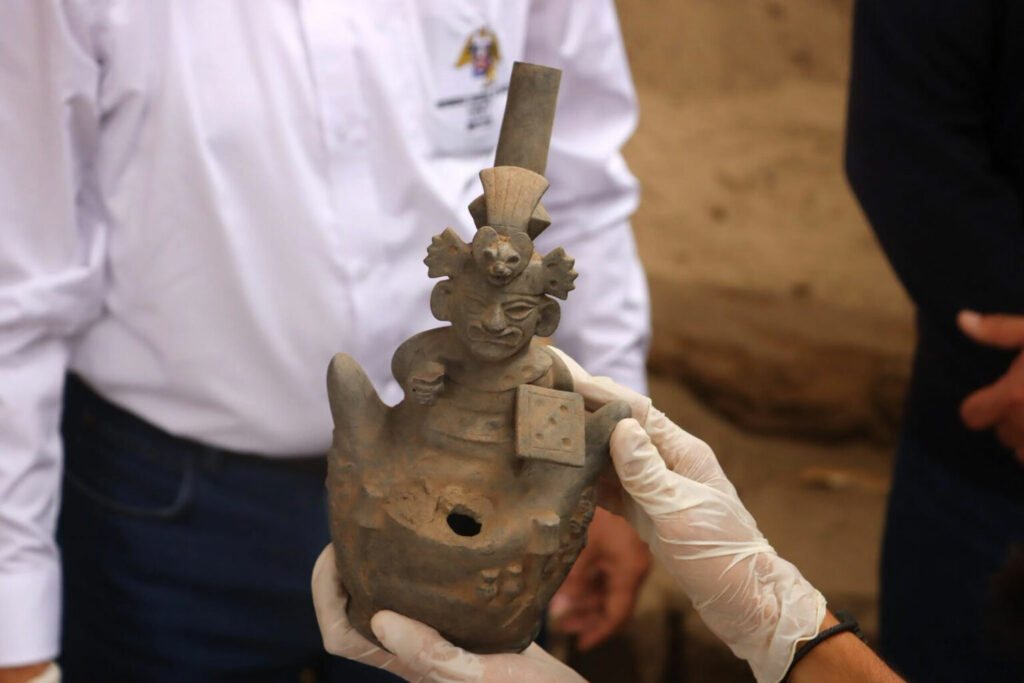
Among the tombs, archaeologists found the remains of 20 mummies, many of them in a poor state of preservation due to looting and environmental damage over the centuries. Despite the damage, the gold tongue amulets remained intact, offering a rare glimpse into the funerary rituals of the time. The team also recovered a number of other artifacts, including coins, pottery, and small statues of deities such as Isis and Harpocrates.
The Ptolemaic period, which lasted from 305 BC to 30 BC, was a time of significant cultural blending in Egypt. Following the conquest of Alexander the Great, Greek rulers established a dynasty that adopted many Egyptian traditions, including burial practices. The use of gold tongue amulets appears to have been a relatively rare practice, reserved for individuals of higher social status who could afford such elaborate funerary goods.
Taposiris Magna, the site of the discovery, was a prominent temple complex dedicated to the god Osiris. The temple's name, meaning "great tomb of Osiris," underscores its religious significance. Previous excavations at the site have uncovered a variety of tombs, coins bearing the image of Cleopatra VII, and evidence of a large necropolis. The latest find adds to the growing body of knowledge about the region's history during the Ptolemaic era.
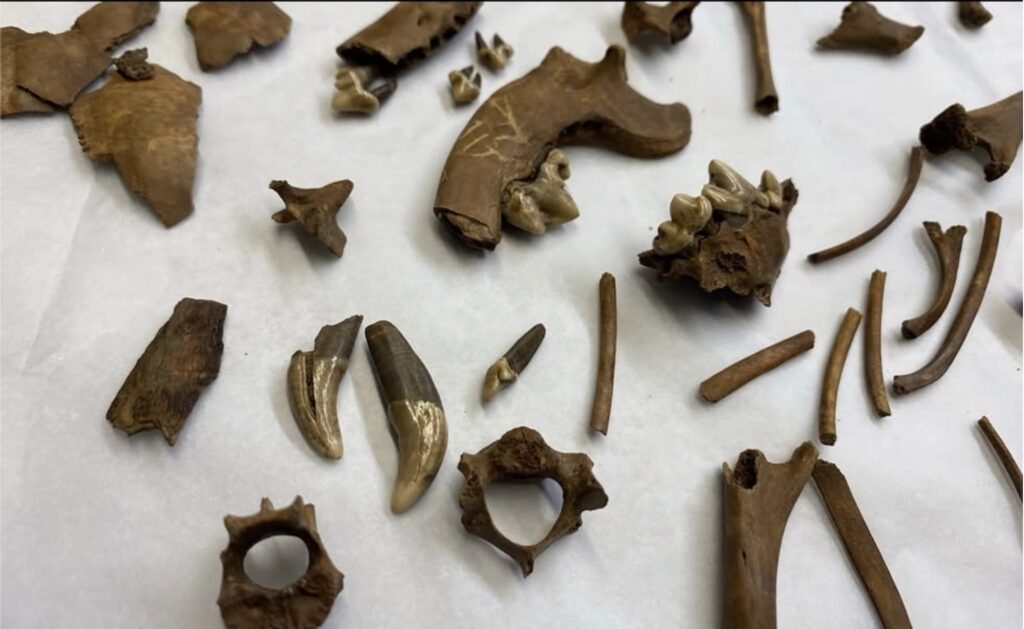
The gold tongues are not the only unusual burial items found at Taposiris Magna. In earlier digs, archaeologists discovered mummies with golden faces and other gilded amulets, suggesting that the site was a burial ground for the elite. The presence of animal remains, including those of dogs and cats, indicates that animals were also mummified and buried as part of religious offerings.
Kathleen Martinez, a Dominican archaeologist who has led excavations at the site for over a decade, said the discovery provides valuable insight into the religious beliefs of the Ptolemaic Egyptians. "The gold tongues are a direct reflection of the importance placed on the spoken word in the afterlife," Martinez said in a statement. "They show how deeply the Egyptians believed in the power of speech to navigate the underworld."
The excavation team plans to continue work at the site, hoping to uncover more tombs and artifacts that could further illuminate the burial customs of the period. The artifacts will be transported to a museum for further study and eventual public display.
This discovery comes amid a series of high-profile archaeological finds in Egypt, as the country seeks to boost tourism by highlighting its ancient heritage. In recent months, authorities have announced the unearthing of a 4,000-year-old tomb near Luxor, a cache of mummification materials in Saqqara, and a lost city in the desert. Each find adds a piece to the puzzle of Egypt's long and complex history.
The gold tongue amulets, while small, carry profound meaning. They represent a belief system that endured for thousands of years, adapting to new rulers and cultural influences while maintaining its core tenets. For archaeologists, they are a reminder that even in death, the ancient Egyptians sought to equip themselves for the journey ahead.
139