Archaeologists have discovered an extremely rare Roman military camp in Slovakia, shedding new light on the brutal campaigns of Emperor Marcus Aurelius in the second century. The site, located near the village of Suchá nad Parnou, contains the hastily buried remains of Roman soldiers, some of whom were unceremoniously dumped into wells. This grim find offers a rare glimpse into the harsh realities of ancient warfare and the logistical challenges faced by the Roman army during its northern campaigns.
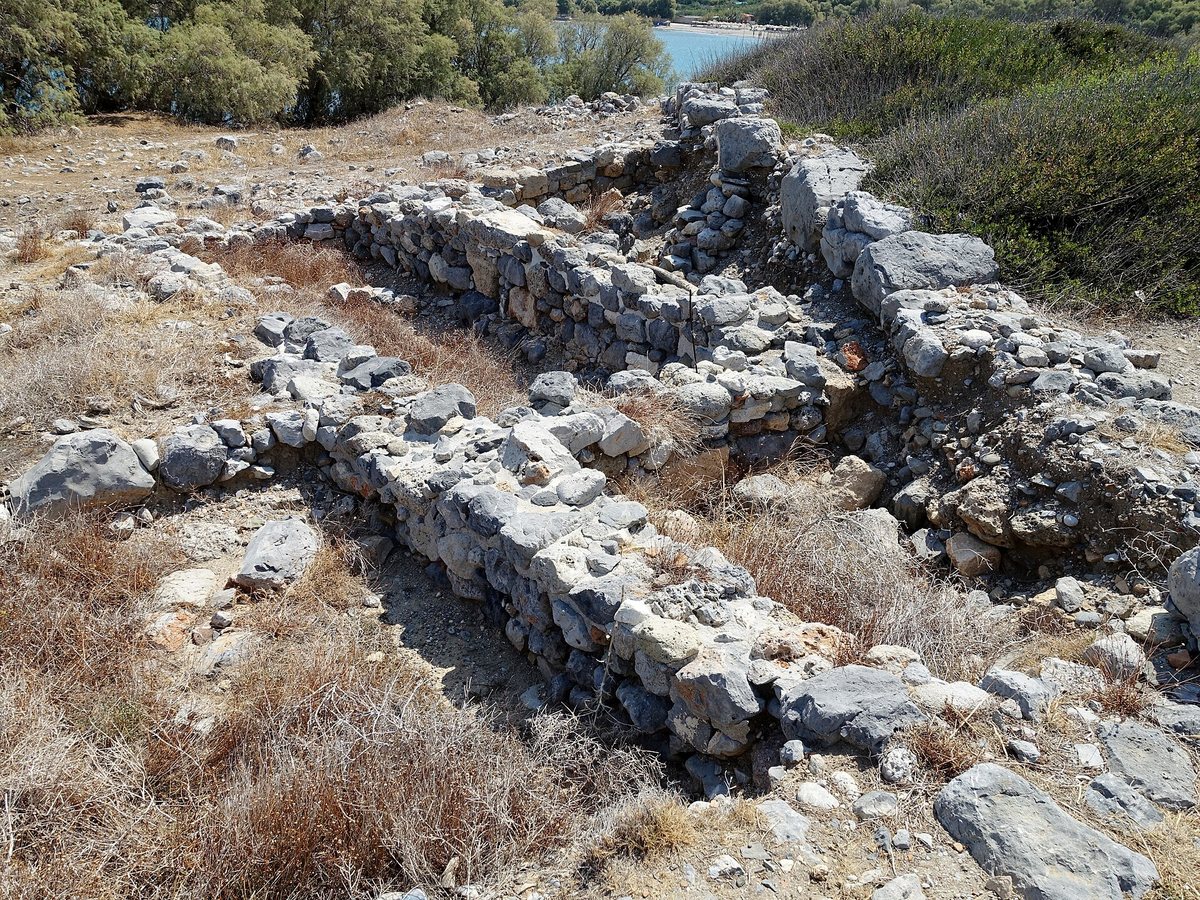
The camp was identified through a combination of aerial photography, geophysical surveys, and targeted excavations. Researchers from the Slovak Academy of Sciences and the University of Trnava led the effort, uncovering a rectangular fortification measuring approximately 100 by 80 meters. The camp’s defensive ditches and ramparts were clearly visible in the landscape, confirming its military function. Such temporary camps were used by Roman legions during active campaigns, but very few have been found in Central Europe, making this discovery particularly significant.
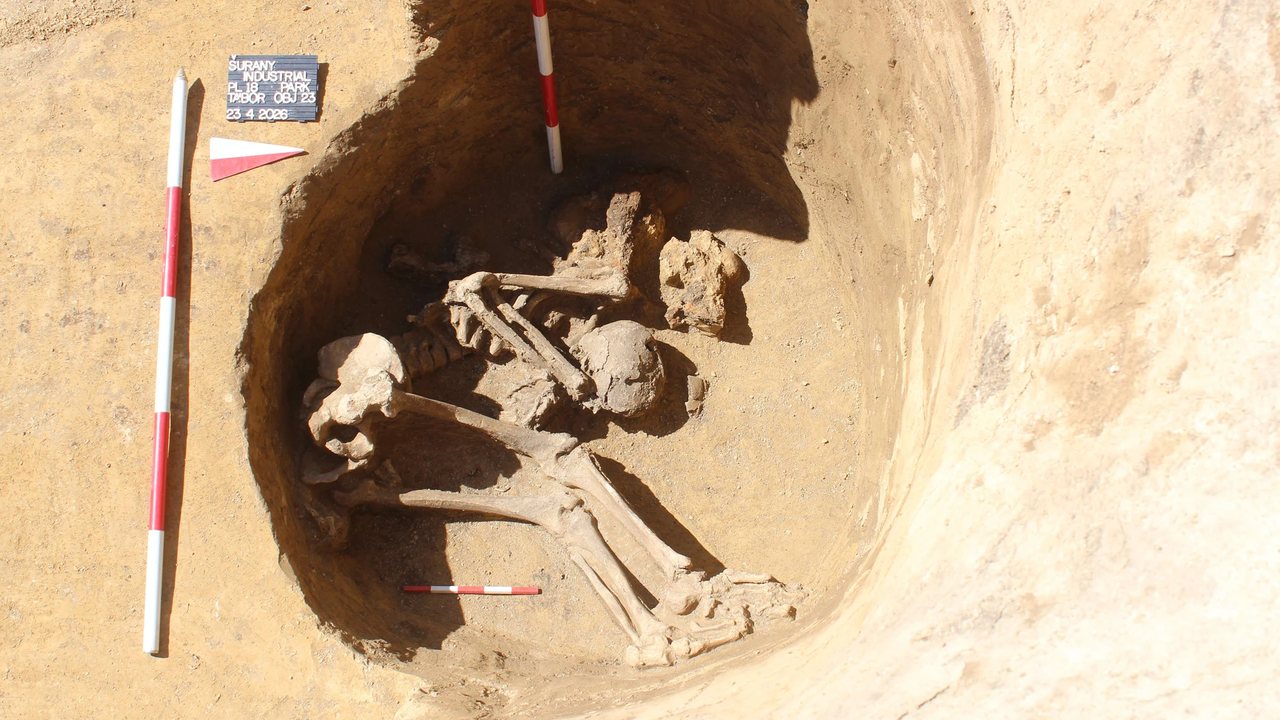
The most striking evidence of the camp’s violent history comes from the human remains. Archaeologists found several skeletons in shallow graves, indicating hasty burials. More disturbingly, some remains were discovered in ancient wells within the camp, suggesting that the bodies were disposed of quickly, possibly to prevent disease or to deny the enemy knowledge of Roman casualties. The bones show signs of trauma consistent with combat, including cut marks and blunt-force injuries. Preliminary analysis suggests these were soldiers who died during Marcus Aurelius’ campaigns against the Marcomanni and Quadi tribes, known as the Marcomannic Wars (166–180 AD).
Marcus Aurelius, the philosopher-emperor, spent much of his reign defending the Roman Empire’s northern borders. The Marcomannic Wars were a series of conflicts along the Danube frontier, where Germanic tribes repeatedly crossed into Roman territory. The discovery of this camp in modern-day Slovakia, which was then part of the barbarian lands beyond the Danube, indicates that Roman forces penetrated deep into enemy territory. The camp’s location and the condition of the remains suggest that the legionaries faced fierce resistance and suffered significant losses.
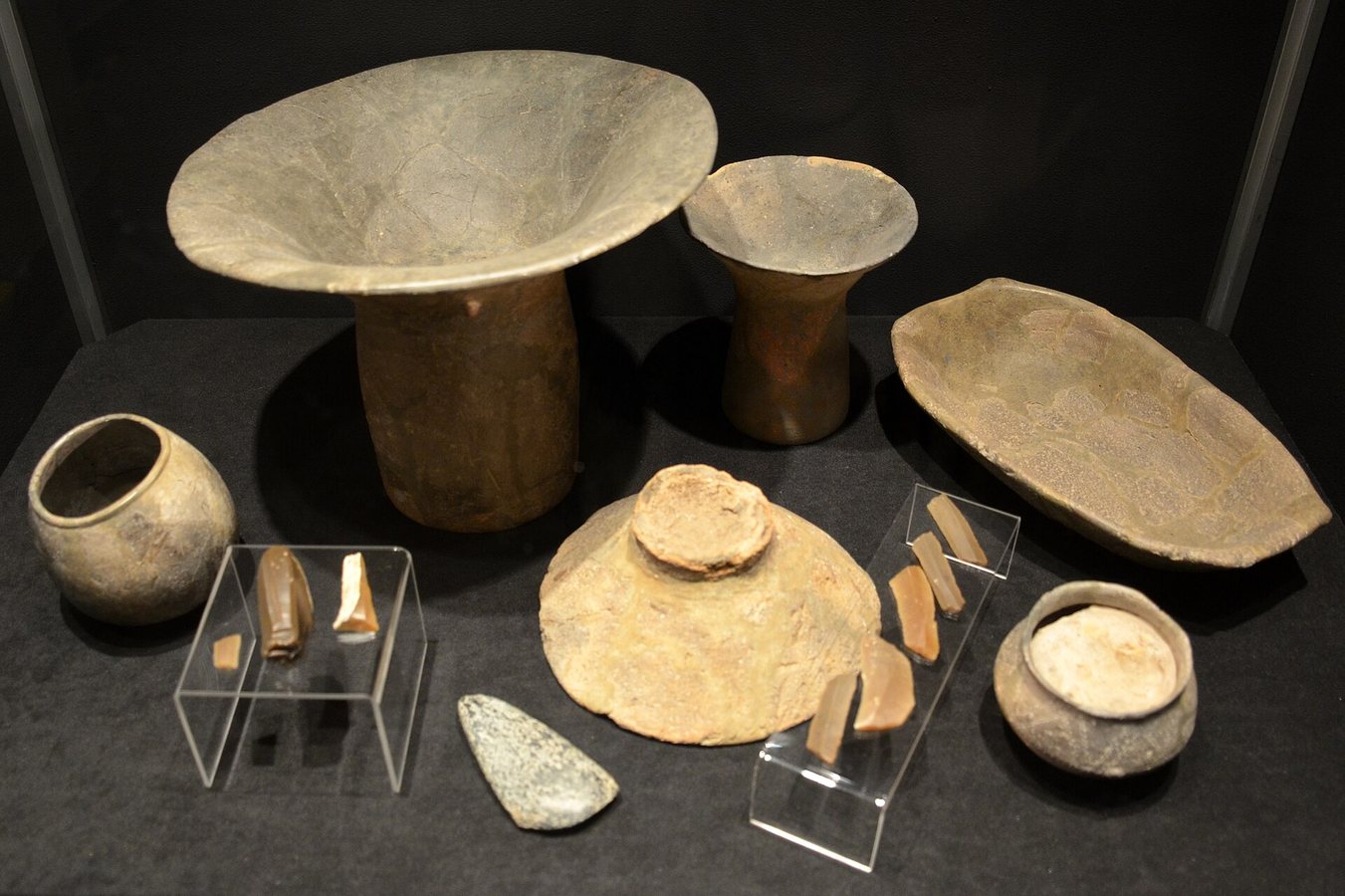
In addition to the human remains, the excavation yielded a wealth of artifacts. Archaeologists recovered Roman military equipment, including fragments of armor, spearheads, and coins. The coins, minted during Marcus Aurelius’ reign, help date the camp precisely. Pottery shards and remnants of military tools further corroborate the site’s use as a temporary base. The presence of these items, along with the defensive structures, paints a vivid picture of a Roman army on the move, constructing fortified positions as they advanced into hostile territory.
The discovery of bodies in wells is particularly unusual. In Roman military practice, wells were essential water sources, and contaminating them with corpses would have been a last resort. This suggests that the Romans were either in a desperate situation or that the deaths occurred so rapidly that proper burial was impossible. Archaeologists speculate that the soldiers may have succumbed to a sudden attack or an epidemic, which was common in ancient armies. The hasty disposal of the dead also indicates that the camp was abandoned quickly, perhaps as the Roman forces retreated or moved to a new position.
This find is considered extremely rare because only a handful of Roman temporary camps have been identified in the region. Most known Roman military sites in Central Europe are permanent forts, such as those along the Danube limes. Temporary camps, built for short-term use during campaigns, are much harder to detect because they were often dismantled or eroded over time. The preservation of this camp, including its human remains and artifacts, provides an unprecedented opportunity to study the logistics and human cost of Roman military operations beyond the empire’s borders.
The excavation team plans to conduct further analysis, including DNA testing on the skeletal remains to determine the soldiers’ origins and possible familial relationships. Isotope analysis may reveal their diets and geographic backgrounds, offering insights into the composition of the Roman army. The artifacts will be conserved and displayed at a local museum, with hopes of attracting international scholarly attention. The site itself will be protected and may be opened to the public as an archaeological park, allowing visitors to explore this tangible link to the ancient past.
This discovery not only enriches our understanding of Roman military history but also highlights the resilience and brutality of life on the empire’s frontiers. The hastily buried soldiers of Marcus Aurelius, some discarded in wells, serve as a poignant reminder of the human cost of imperial expansion. As researchers continue to analyze the findings, the camp in Slovakia promises to yield more secrets about one of Rome’s most challenging wars.