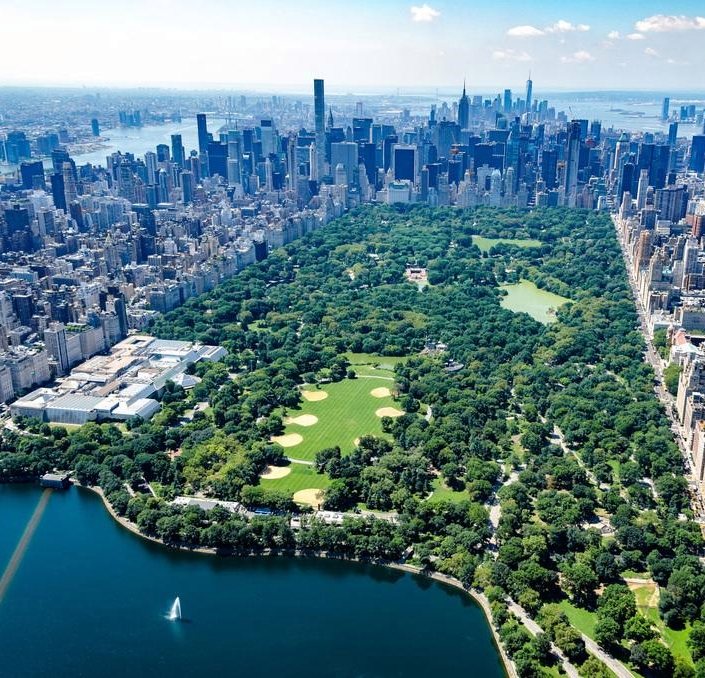
Conservation campaigners are pressing for more wildlife-rich green spaces to be established directly within urban communities, arguing that nature must be placed where people live rather than confined to distant rural reserves. The push reflects a growing recognition that access to biodiversity is not only an environmental concern but a question of everyday quality of life for city residents.
The campaign highlights a persistent gap in urban planning: while many cities contain parks and gardens, relatively few are designed or managed to support significant wildlife populations. Campaigners say that creating habitats for birds, insects, and small mammals close to homes can bring nature into daily contact with millions of people who might otherwise rarely encounter it.
Advocates argue that the benefits flow in both directions. Residents gain easier access to green space, which is linked to improved mental and physical well-being, while wildlife gains connected habitats that can help counter species decline in built-up areas. Small patches of native planting, ponds, and wildflower margins can serve as stepping stones for pollinators and other creatures moving through the urban landscape.
The call comes amid wider concern about biodiversity loss and the fragmentation of natural habitats. As cities expand, pressure on surrounding countryside increases, making the quality of green infrastructure within urban boundaries more important. Campaigners say that planning decisions should treat wildlife-friendly design as a standard requirement rather than an optional extra.
They point to examples where community-led projects have transformed unused land, verges, and rooftops into thriving mini-habitats. Such efforts often rely on local volunteers, schools, and councils working together, and they can foster a stronger sense of stewardship among residents who help create and maintain the spaces.
Critics of current approaches argue that too much emphasis is placed on large, remote nature reserves that require travel to reach. For families without easy access to a car, or for older people and those with limited mobility, a nearby pocket park or community garden may be the only realistic route to regular contact with nature.
The campaigners' message is straightforward: nature should not be a destination but a neighbour. They are urging policymakers, developers, and local authorities to embed wildlife-rich green space into the fabric of urban neighbourhoods, ensuring that the benefits of biodiversity are shared by the communities that need them most.
11