Climate change is not just an environmental problem — it is a growing public health crisis, according to health experts and researchers who study the intersection of climate and human well-being. Rising global temperatures, shifting weather patterns, and more frequent extreme events are already affecting human health in measurable ways, and the risks are expected to intensify in the coming decades.
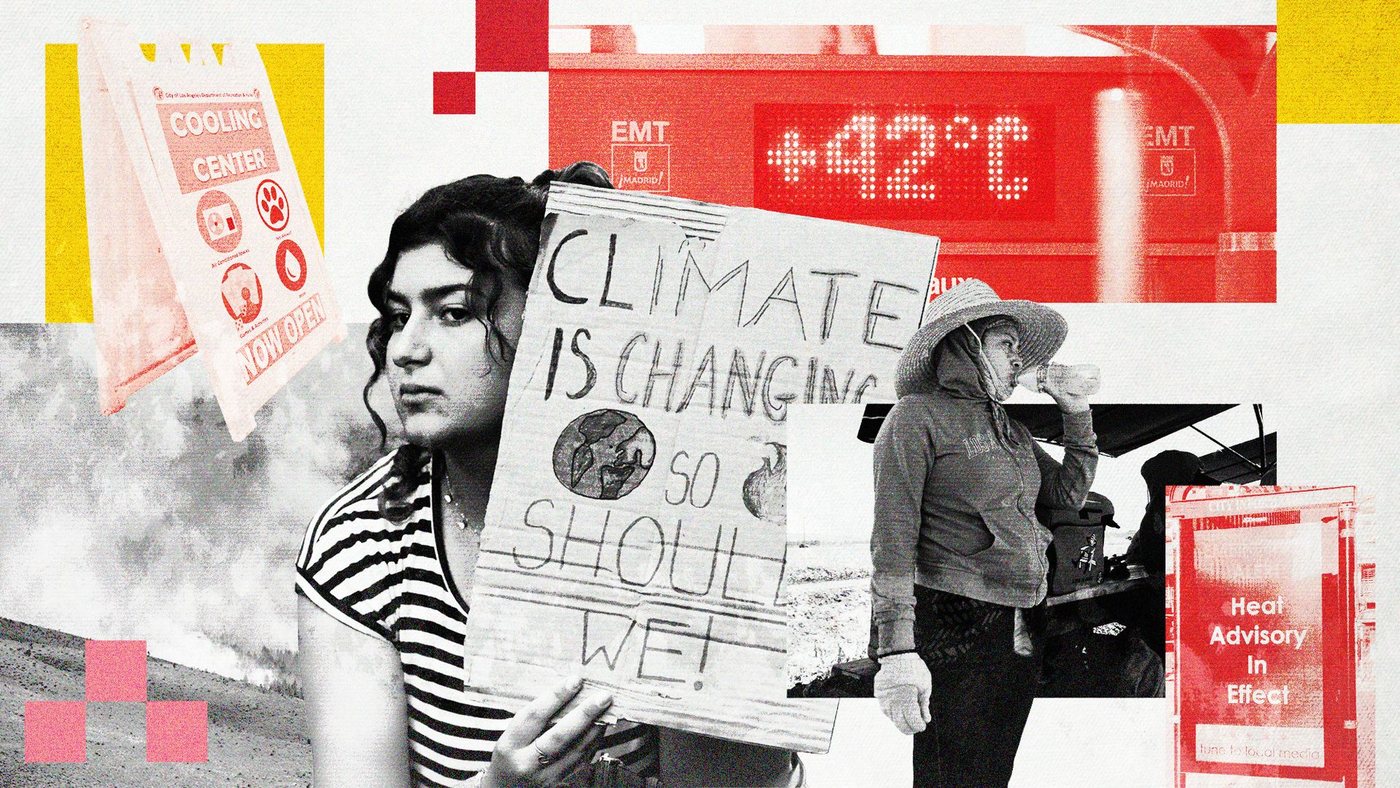
The health impacts of a warming planet are wide-ranging. Heatwaves are becoming more frequent and severe, leading to heat exhaustion, heatstroke, and cardiovascular stress, particularly among the elderly, outdoor workers, and people with pre-existing conditions. Warmer temperatures also expand the geographic range of disease-carrying insects such as mosquitoes and ticks, increasing the spread of illnesses like malaria, dengue fever, and Lyme disease into new regions that were previously too cool for these vectors to survive.
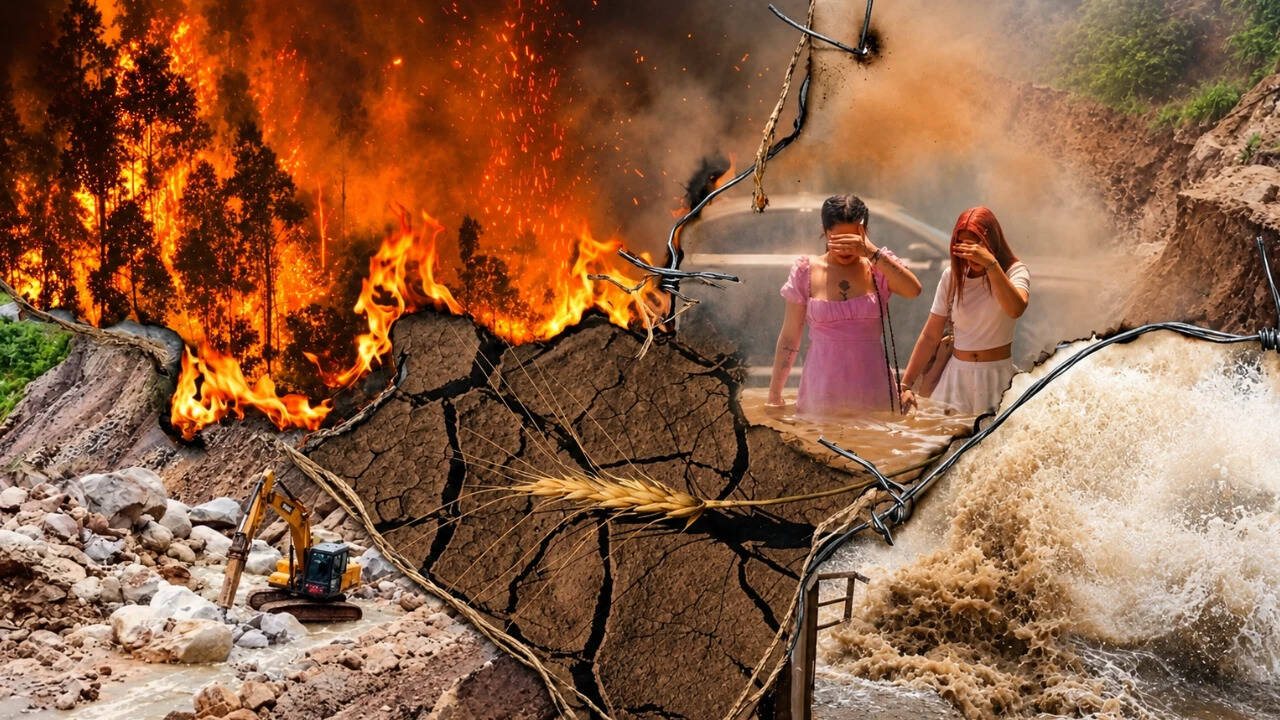
Air quality is another major concern. Wildfires, which are growing more intense and widespread, release fine particulate matter that can travel hundreds of miles and trigger respiratory problems, asthma attacks, and heart issues. Longer allergy seasons and higher pollen counts are also linked to warming trends, affecting millions of people with seasonal allergies and asthma.
Beyond physical health, climate change affects mental health. Extreme weather events such as hurricanes, floods, and wildfires can cause trauma, displacement, and anxiety. The slow, ongoing stress of living through repeated climate-related disasters has been linked to depression, post-traumatic stress disorder, and a sense of hopelessness, especially among young people.
But experts say the picture is not entirely bleak. There are proven strategies that can protect people from these health threats. Early warning systems for heatwaves and extreme weather can save lives by giving communities time to prepare. Investing in resilient healthcare infrastructure — such as cooling centers, emergency response plans, and disease surveillance systems — helps health systems cope with surges in demand.
Urban planning also plays a role. Expanding green spaces, planting trees, and designing cooler buildings can reduce the urban heat island effect, which makes cities significantly hotter than surrounding rural areas. Improving air quality through cleaner energy and transportation policies delivers immediate health benefits while also reducing greenhouse gas emissions.
Public health experts emphasize that the most vulnerable populations — low-income communities, communities of color, children, and the elderly — often face the greatest risks and have the fewest resources to adapt. Addressing these inequities is essential to any effective climate health strategy.
Researchers continue to study how climate change will affect human health in the coming years, but the consensus is clear: without action to both reduce emissions and adapt to the changes already underway, the health toll will continue to rise. The question is not whether climate change will harm health, but how many people will be affected and how well societies can protect them.