The Environmental Protection Agency will no longer limit greenhouse gas emissions from power plants, according to an announcement expected Monday from Administrator Lee Zeldin. The move would erase a central piece of federal climate regulation and end Washington's effort to curb the largest industrial source of planet-warming pollution.
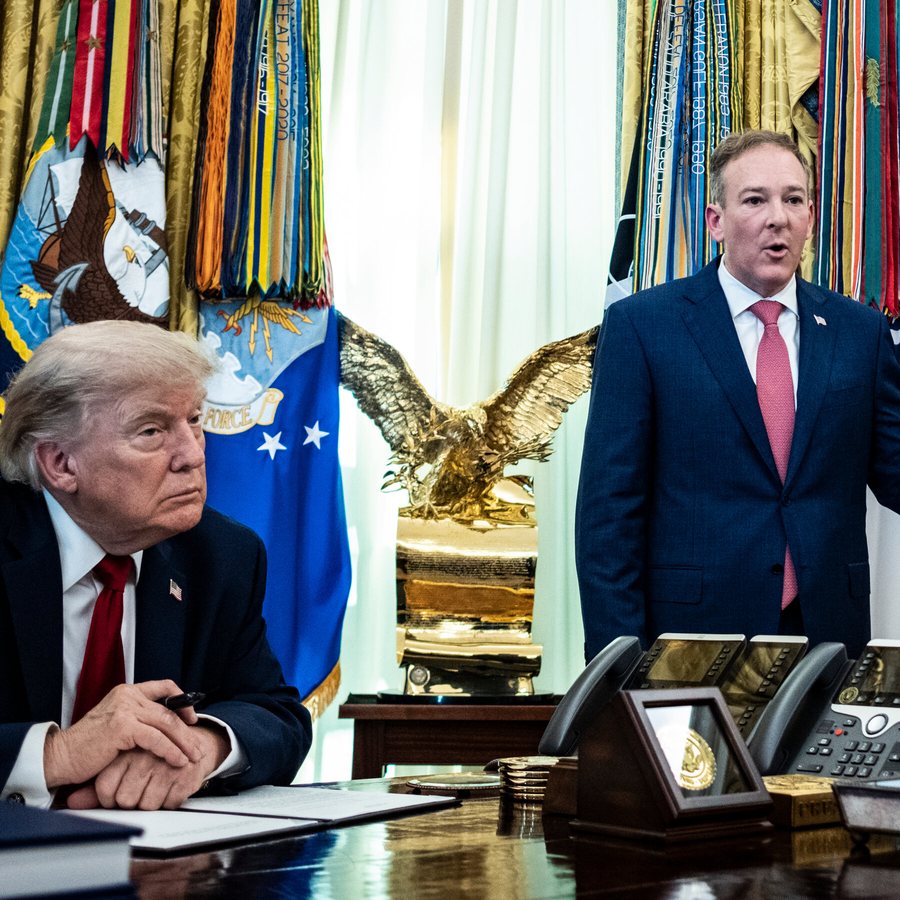
Zeldin is expected to make the announcement alongside President Trump, continuing a broad deregulatory push that has already touched air, water, and chemical rules. The administrator has argued that the agency's climate authority over the power sector exceeds what Congress intended and imposes costs that outweigh the benefits.
The limits being eliminated trace back to the Obama administration's Clean Power Plan, which set the first national caps on carbon dioxide from existing power plants. That rule was stayed by the Supreme Court in 2016 and later replaced under the first Trump administration by the Affordable Clean Energy rule, a narrower measure focused on efficiency upgrades at individual plants. A federal appeals court struck that replacement down in 2021, clearing the way for the Biden administration to write a new rule that pushed utilities toward carbon capture and hydrogen co-firing.
Under the expected action, coal- and gas-fired plants would no longer face federal requirements to reduce carbon dioxide emissions. The agency is also expected to revisit the legal finding that underpins all greenhouse gas regulation — the 2009 endangerment determination that concluded carbon dioxide and other heat-trapping gases threaten public health and welfare. That finding is the foundation for rules covering vehicles, oil and gas operations, and power plants.
The power sector accounts for roughly a quarter of U.S. greenhouse gas emissions, and the shift would make it far harder for the country to meet its pledge under the Paris Agreement to cut economy-wide emissions by at least half from 2005 levels by 2030. Utilities have already retired hundreds of coal units and added record amounts of wind and solar, driven by cheap gas and tax incentives as much as by regulation. Without a federal carbon limit, analysts expect some coal plants to run longer and new gas construction to accelerate.
Environmental groups are preparing legal challenges, arguing that the agency cannot abandon its duty to regulate pollutants it has already found to be dangerous. Several states, including California and New York, have their own carbon rules and are expected to defend them in court. Industry groups have largely welcomed the rollback, saying it removes duplicative and costly mandates, while some utilities have warned that sudden reversals create planning uncertainty for long-lived assets.
The announcement is expected to draw international attention ahead of the next round of United Nations climate talks, where the United States will face questions about the credibility of its emissions targets. Scientists say the window for limiting warming to 1.5 degrees Celsius is closing, and that any delay in cutting power-sector emissions makes that goal harder to reach.
Zeldin, a former New York congressman, has overseen a rapid rewrite of environmental policy since taking the helm at the agency. The power plant rule is among the most consequential items on that agenda, because it determines whether the federal government has any tool to force the electricity industry to cut carbon. The expected announcement would leave that task to states, utilities, and market forces — a shift with consequences that will unfold over decades.